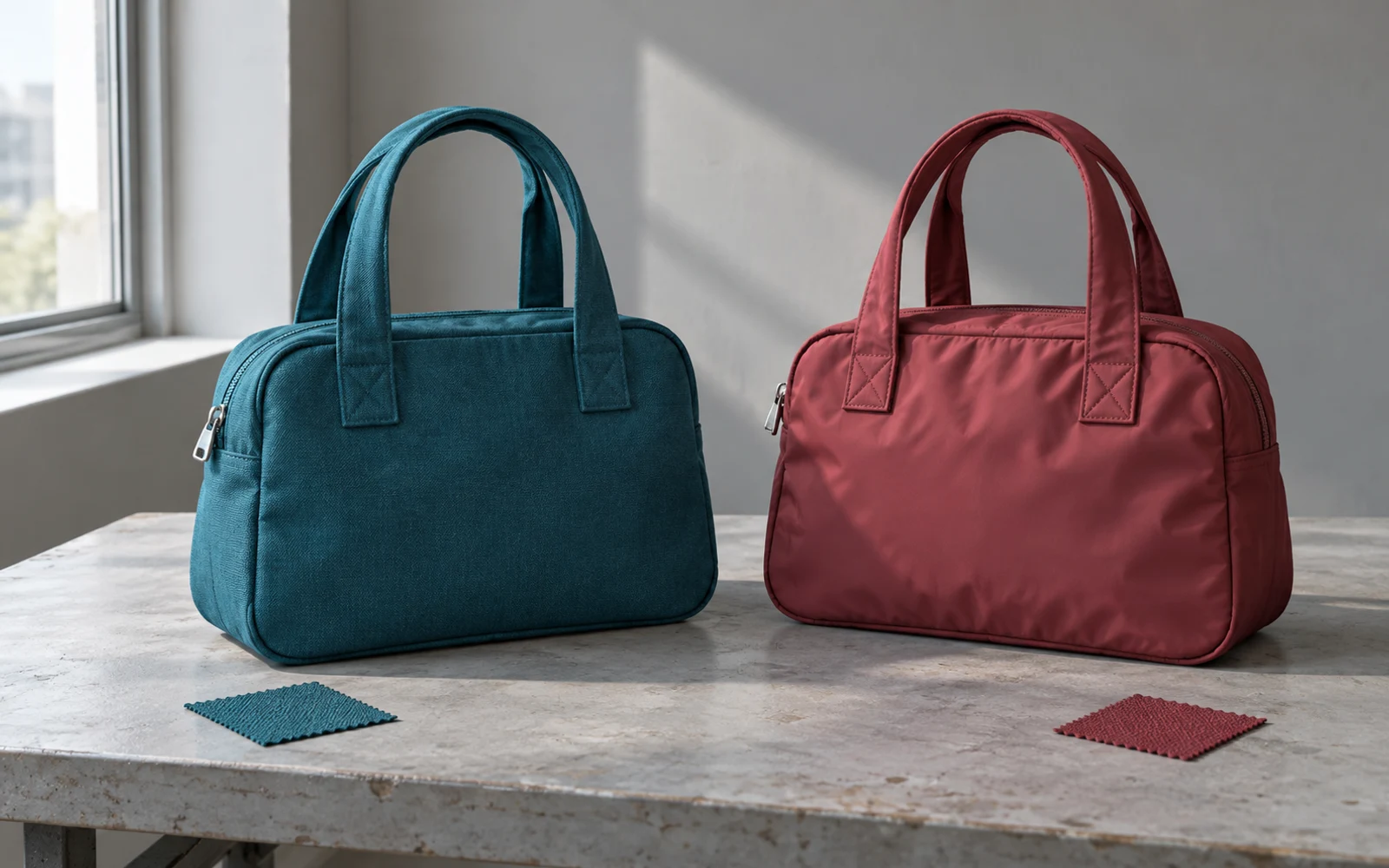
Vegan leather handbags can be a strong wholesale category when the buyer understands what they are actually sourcing. For boutiques, e-commerce sellers and private label brands, vegan leather offers useful advantages: flexible color development, animal-free positioning, lower entry cost on selected styles, and a wide range of surface textures. It can work for tote bags, crossbody bags, shoulder bags, bucket bags and seasonal fashion collections.
The risk is that "vegan leather" is often used as a broad marketing phrase. In factory work, the real questions are more specific. What is the surface coating? What is the backing material? How thick is the material? Does it crack at the seams? Does the color transfer? Does the surface smell too strong when packed? Can the material handle embossing, metal logos, edge paint and repeated daily use?
This guide is written for B2B buyers who are planning a vegan leather handbag wholesale order, not for individual shoppers comparing one bag at retail. If you need a material overview before building your RFQ, start with Christori's vegan leather material guide. The goal is to help you ask better questions before sampling, avoid common quality problems, and prepare a clearer RFQ for your handbag factory.
Why Vegan Leather Handbags Work for Wholesale Programs
Vegan leather is especially useful when a buyer needs variety, speed and controlled cost. A genuine leather program can be excellent for premium positioning, but it often requires more careful hide selection, more variation control and a higher material budget. Vegan leather gives buyers another route: consistent surface, broad color range and easier visual planning across a collection.
For a boutique buyer, vegan leather handbags can be a practical way to test new silhouettes without committing to expensive materials on the first order. For an e-commerce seller, vegan leather can support trend-led colors, woven textures, quilted surfaces or compact crossbody styles that need strong product photography and fast assortment updates. Buyers comparing existing vegan leather products and styles can also review the vegan leather product route before shortlisting shapes. For a private label brand, vegan leather can work well with logo embossing, woven labels, custom lining and retail packaging.
The category also supports different sourcing routes. A buyer can start with ready stock vegan leather bags to test demand. If the style sells, the next order can move into ODM changes such as a new color, custom logo, adjusted lining or branded packaging. For brands with a stronger product direction, a factory can develop a custom vegan leather handbag from a tech pack or reference sample.
The key is not to treat vegan leather as one single material. A low-grade PU surface and a well-selected premium vegan leather can look similar in a photo but perform very differently after three months of use, storage and shipping.
The Quality Factors Buyers Should Check First
Surface Coating and Hand Feel
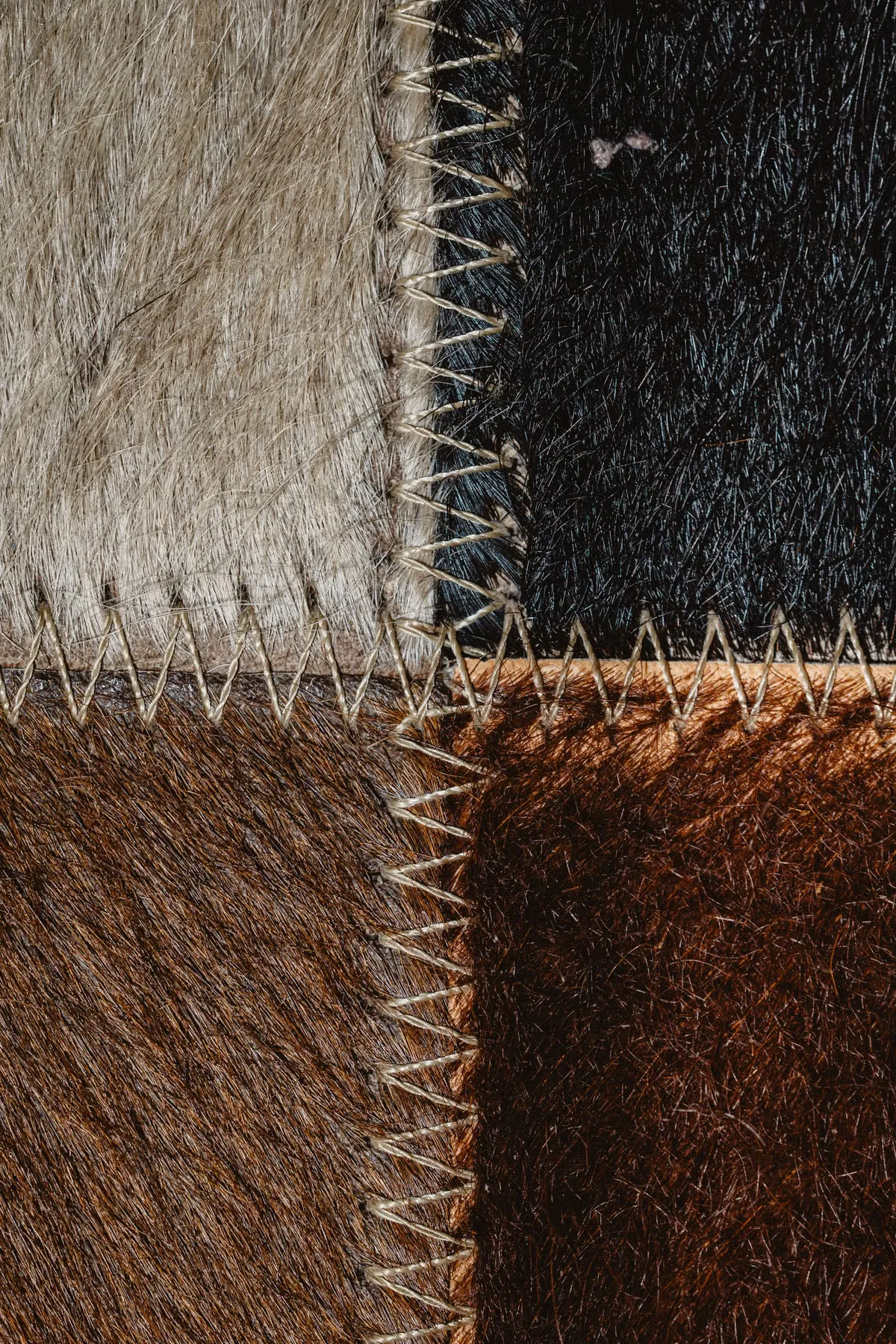
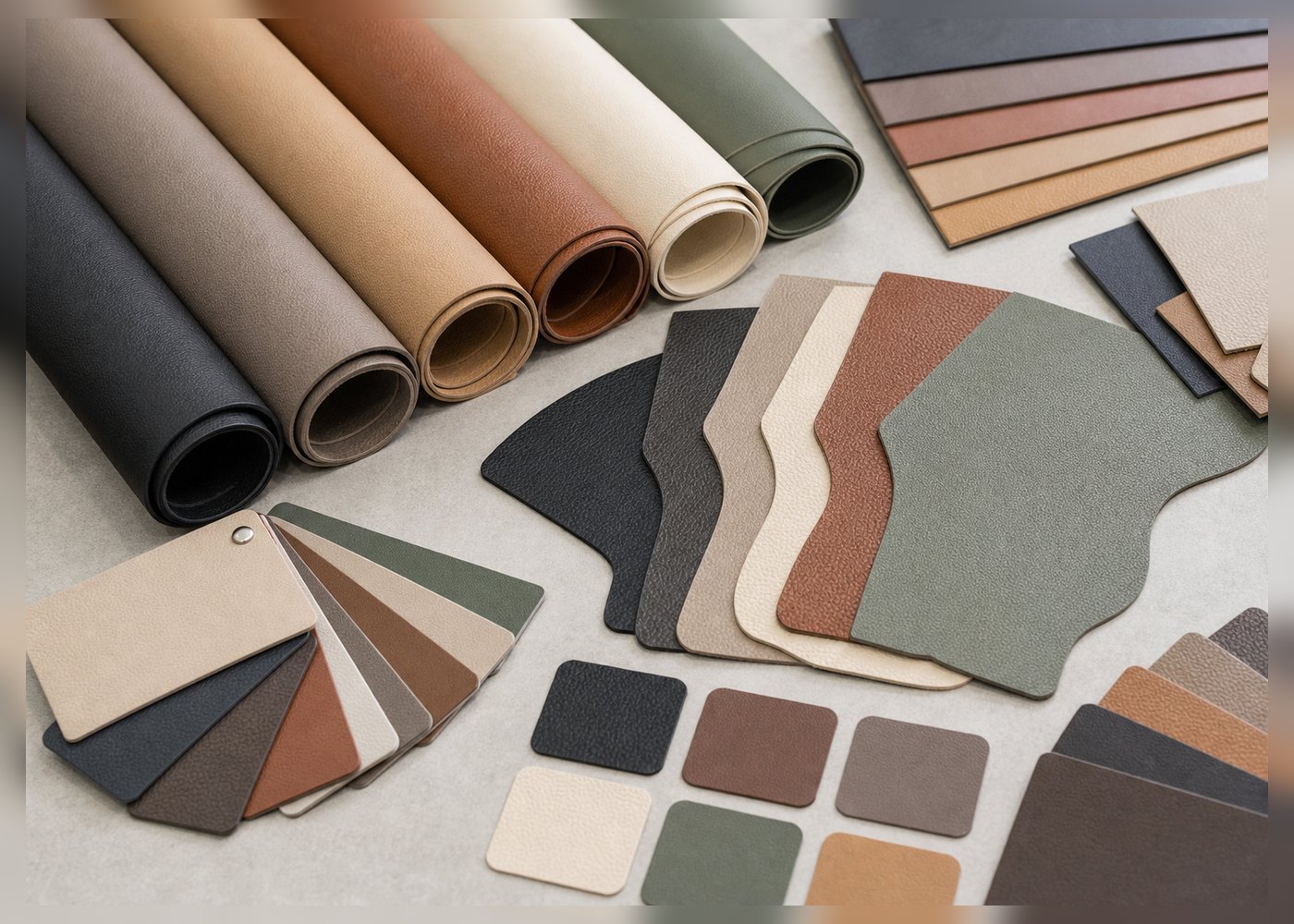
The first thing buyers notice is the surface. It may be smooth, pebbled, woven, patent-look, matte, glossy or suede-like. The surface should match the retail price point and the intended use. A very shiny finish may photograph well but scratch easily. A soft matte finish may feel more premium but require better packaging protection during shipment.
When reviewing samples, do not judge only from photos. Ask for close-up images, video under natural light and, when possible, physical swatches. Bend the material gently around corners and seams. Check whether the surface turns white, wrinkles too sharply or feels sticky. A good vegan leather handbag sample should feel appropriate for its target market, not overly plastic or stiff unless the style intentionally needs structure.
Backing Material and Thickness
The backing is easy to ignore because buyers mostly see the outside surface. In production, it matters. The backing affects flexibility, seam strength, handle attachment and how the material behaves when folded or stitched. Some vegan leathers are soft and flexible, suitable for hobo bags or slouchy totes. Others are firmer and better for structured crossbody bags or top-handle styles.
Thickness should be chosen by product type. A large tote may need enough body to hold its shape, while a small pouch or compact crossbody may need a thinner, more flexible material. If the material is too thick, seams can look bulky. If it is too thin, the bag may lose structure or tear at stress points. Ask your supplier to recommend thickness based on the bag structure, not only based on price.
Peeling, Cracking and Color Transfer Risk
Many vegan leather problems appear after bending, rubbing or storage. Before approving a sample, check the areas that receive pressure: strap connections, bottom corners, handle bases, flap folds and zipper openings. These are the places where poor material or weak construction usually fails first.
Color transfer is another issue, especially for dark or bright colors. Buyers should ask whether the material has been tested for rubbing, whether the color is stable, and whether special packaging is needed to prevent surface contact during shipment. For lighter colors, check whether the material picks up marks easily from hands, denim or packaging paper.
Cracking risk depends on material quality, coating flexibility, thickness and storage conditions. If the bags will be stored in humid or hot environments, ask the factory how the material should be packed and stored. This is not a small detail. A bag that looks fine in the sample room can fail if the material is not suitable for the shipping and storage conditions of the target market.
Odor and Finish Consistency
Vegan leather bags should not arrive with a strong chemical smell. Some odor can be normal immediately after production, but it should reduce after airing. If the smell is strong in the sample stage, ask the factory to explain the material source and finishing process. For retail buyers, odor is not only a quality issue. It can create returns and negative customer feedback.
Finish consistency also matters across colorways. If you order the same bag in black, ivory and seasonal green, the surface texture and hand feel should still belong to the same product family. Ask whether all colors come from the same material series or whether the factory is mixing similar-looking materials from different suppliers.
Which Vegan Leather Bag Styles Are Best for Wholesale?
Vegan leather works across many handbag types, but some styles are easier to source than others.
Tote bags are strong for wholesale because they are familiar, useful and flexible in size. Vegan leather tote bags can be made in smooth, pebbled, woven or color-block designs. Buyers should pay attention to handle reinforcement, bottom structure and lining strength.
Crossbody bags are good for e-commerce and boutique collections because they are compact and easy to photograph. For vegan leather crossbody bags, strap quality and hardware finish are important. A weak strap connection can make the whole bag feel low value even if the body material looks good.
Shoulder bags and hobo bags are suitable for softer vegan leather materials. The material should drape naturally without collapsing too much. If the buyer wants a premium look, the factory should test the surface texture, edge finish and lining combination carefully.
Bucket bags and woven vegan leather bags can be attractive for seasonal launches. These styles often depend on texture and craftsmanship. Buyers should confirm whether the weaving, stitching or drawstring structure can be repeated consistently in bulk production.
Small leather goods and accessories, such as pouches, card holders or phone bags, can also work well in vegan leather. They may support gift sets or add-on retail programs, but small items still require careful logo placement and edge finishing.
Ready Stock, ODM or Full Custom: Choosing the Right Route
The best route depends on how much risk and development time the buyer can accept.
Ready stock handbags are useful when the buyer wants to test vegan leather handbags quickly. It reduces development time and can help a boutique or online seller understand which style, color or price band works before investing in custom development. The limitation is that the buyer has less control over structure, material source and sometimes color availability.
ODM modification is a middle route, especially when working with a private label handbag manufacturer on logo, lining or packaging details. The buyer starts from an existing factory style and changes selected details: logo, lining, color, hardware finish or packaging. This can be a good route for private label vegan leather handbags because the base structure is already tested, but the product can still feel aligned with the buyer's brand.
Full custom development through OEM and ODM handbag manufacturing is best when the buyer has a clear design, tech pack or reference sample. It allows more control over shape, measurements, material, internal structure and branding. It also requires more preparation. The factory may need to source special material, make patterns, test structure and revise samples before production.
For many first orders, a practical path is to start with ready stock or ODM, then move into full custom once the market response is clearer.
Customization Options That Affect Cost and MOQ
Customization is not only about adding a logo. Each change affects cost, minimum order quantity, sample time and production risk.
Logo method is one of the first decisions. Embossing or debossing may work on some vegan leather surfaces, but not all. Metal logos can look premium, but they may require molds, plating confirmation and careful placement. Woven labels and printed labels can be easier for lower MOQ programs.
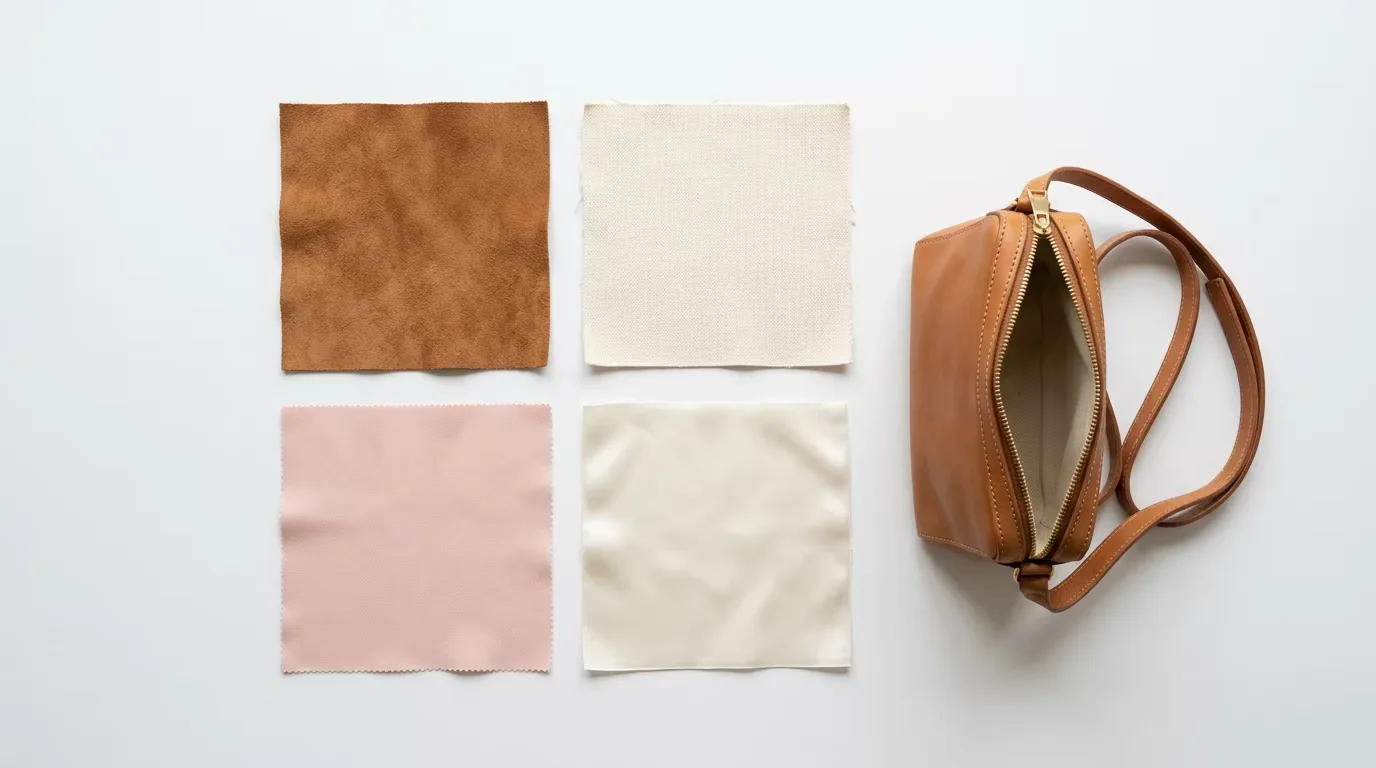
Custom color is another major factor. Vegan leather is often praised for color flexibility, but custom color still depends on material supplier availability and minimums. If the buyer needs a very specific seasonal color, it is better to confirm material swatches before finalizing the bag sample.
Lining and inner labels affect both cost and brand feel. A simple polyester lining may be enough for ready stock or entry price products. A custom lining color, printed lining or woven label can make the product feel more complete for private label buyers.
Hardware should match the retail positioning. Light gold, silver, gunmetal and antique brass finishes can each change the perceived value of the bag. Buyers should ask about plating quality, scratch risk and whether the same finish can be used across a collection.
Custom handbag packaging also changes the quote. Dust bags, hang tags, care cards, boxes and shopping bags can improve the customer experience, but they should match the order quantity and price band. Overbuilding packaging for a low MOQ market test can make the landed cost too high.
What to Send Before Asking for a Factory Quote
A good RFQ saves time for both buyer and factory. Before asking for a quote, prepare the following:
- Product category: tote, crossbody, shoulder bag, bucket bag or accessory.
- Target quantity per style and per color.
- Preferred material: smooth PU, pebbled vegan leather, woven vegan leather, suede-like material or another surface.
- Colorways and whether custom color is required.
- Logo method: embossing, metal logo, woven label, printed logo or no logo.
- Hardware preference: gold, silver, gunmetal, antique brass or standard finish.
- Lining and pocket requirements.
- Packaging level: standard export packing, dust bag, hang tag, care card or box.
- Reference photos, existing samples or a simple tech pack.
- Target price range and delivery country.
- Required timeline and whether ready stock is acceptable.
If you are not sure about the best route, say that clearly. A factory can usually suggest whether the project is better suited for ready stock, ODM modification or full custom development.
Common Mistakes When Buying Vegan Leather Handbags Wholesale
The first mistake is choosing only by photo. Vegan leather can look excellent on screen but feel too stiff, too thin or too plastic in hand. Always review material details before approving a production order.
The second mistake is skipping swatch approval. A small swatch can reveal surface feel, flexibility, odor and color accuracy before the full sample is made. For custom color or large orders, this step is especially important.
The third mistake is over-customizing a small order. A buyer may want a new color, custom logo, special lining, custom hardware and retail box all at once. That may be possible, but it can raise MOQ, cost and lead time. For a first test, choose the details that matter most.
The fourth mistake is not checking stress points. Vegan leather bags often fail first at handles, strap anchors, flap folds and bottom corners. Ask the factory to pay attention to reinforcement and stitching at these areas.
The fifth mistake is treating "vegan leather" as a quality level. It is a material category, not a guarantee. The buyer still needs to check coating, backing, thickness, finish and construction.
Practical Buyer Checklist
Before confirming a vegan leather handbag wholesale order, use this checklist:
- Have you approved the material swatch?
- Have you checked surface feel, thickness and flexibility?
- Have you reviewed stress points such as handles and strap anchors?
- Have you confirmed logo method and whether it suits the material?
- Have you confirmed lining, hardware and packaging?
- Have you decided whether the order is ready stock, ODM or full custom?
- Have you shared target quantity, colorways, delivery country and timeline?
- Have you requested sample photos or a physical sample before bulk production?
This checklist will not remove every production risk, but it will make the conversation with your factory much clearer.
FAQ
Are vegan leather handbags suitable for wholesale buyers?
Yes, vegan leather handbags can be suitable for wholesale buyers, especially for boutiques, e-commerce sellers and brands that need animal-free positioning, flexible colors or lower entry cost. The key is to check material quality and construction before placing a bulk order.
What is the difference between PU and vegan leather?
PU is one common type of vegan leather, but "vegan leather" can refer to different synthetic or alternative materials. In B2B sourcing, buyers should ask about the exact material, backing, surface coating, thickness and finish rather than relying only on the label.
Can vegan leather handbags be private labeled?
Yes. Many vegan leather handbags can support private label options such as embossed logos, metal logos, woven labels, custom lining, hang tags, dust bags and boxes. The best logo method depends on the surface texture and order quantity.
Is ready stock available for vegan leather bags?
Selected vegan leather styles may be available as ready stock or faster-production options. Availability changes by season and current inventory, so buyers should ask for the latest stock list and confirm whether logo customization is possible.
What should I check before approving a vegan leather bag sample?
Check surface feel, material thickness, odor, color consistency, stitching, handles, strap anchors, hardware, lining and packaging. Pay special attention to areas that bend or carry weight, because these are common failure points in daily use.
Conclusion
Vegan leather handbags can be a profitable wholesale category, but the best results come from clear specifications. Buyers should not stop at a product photo or a general material name. The real sourcing work is in the details: coating, backing, thickness, color, logo method, hardware, lining, packaging and production route.
Christori supports buyers who want to test ready stock vegan leather handbags, adjust existing styles for private label programs, or develop custom vegan leather bags through OEM/ODM production. If you are preparing a new collection, send your product type, target quantity, material preference, logo needs and delivery country. A clear brief helps the factory recommend the right route and prepare a more useful quote.
Request a factory quote when you are ready to discuss vegan leather handbag sourcing for your brand, boutique or wholesale program.
B2B Buyer Checklist
Before you request a quote, prepare the information that affects MOQ, sample cost, lead time and final unit price.
- Target product category, size and reference images.
- Expected order quantity per style and per color.
- Material preference, lining requirements and hardware finish.
- Logo method, packaging items and delivery country.
- Target retail price or target factory price range.
Decision Table
| Buyer Question | Why It Matters | What to Send the Factory |
|---|---|---|
| What is my MOQ target? | MOQ affects material sourcing, production planning and unit price. | Quantity per style, per color and launch schedule. |
| Which material should I choose? | Material controls price band, durability and brand positioning. | Reference photos, desired texture and target market. |
| How much customization do I need? | Logo, lining, hardware and packaging change sample time and cost. | Logo files, packaging references and required details. |
| What is my delivery deadline? | Sampling, production and shipping need realistic planning. | Launch date, delivery country and preferred shipping method. |