Custom Handbag Product Development: From AI Concept to Production-Ready Sample
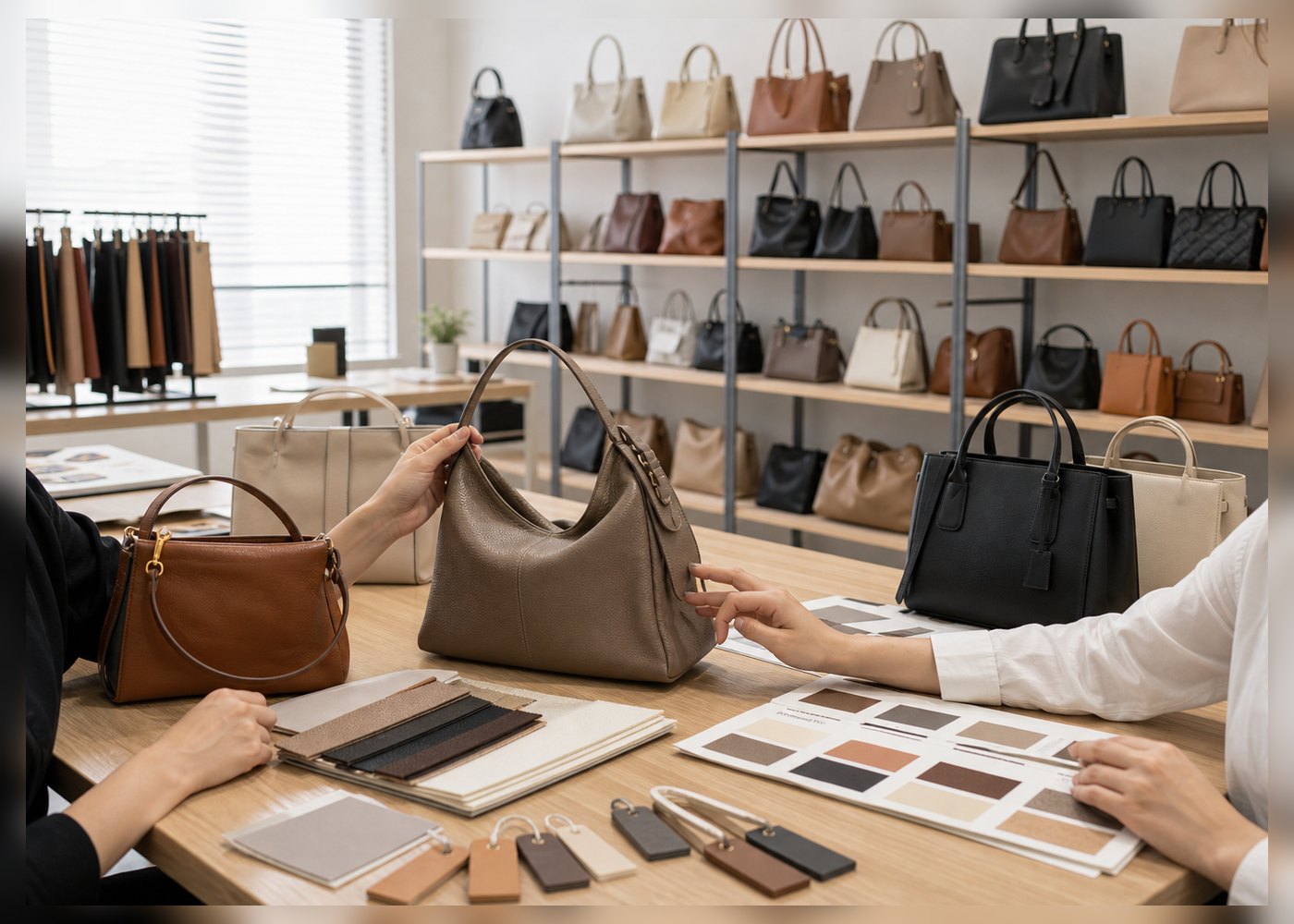
Have an AI image, sketch, reference photo or early handbag idea? CHRISTORI helps brands, boutique buyers, wholesalers, retailers and e-commerce sellers turn visual concepts into factory-reviewable specifications, then choose the right ready stock, ODM or OEM route for sampling and bulk production.
custom handbag product development, hand bag product development, AI concept to sample, OEM handbag sampling
Who Is This Service For
Boutique buyers moving from ready stock testing into private label styles
Wholesalers planning exclusive colors, logo, hardware or packaging variations
Retail and e-commerce buyers preparing practical handbag factory briefs
Service Benefits
Work directly with a handbag factory that understands overseas B2B buyers, brand protection, quality consistency and practical production planning.
Factory review for AI images, sketches, reference photos and tech packs
Route recommendation across ready stock, ODM modification and OEM development
Material, size, structure, lining, hardware and packaging clarification
MOQ planning before sampling so the project stays commercially practical
Light customization options for logo, colors, lining, hardware and packaging
Clear RFQ checklist for buyers who do not yet have a complete tech pack
What Handbag Product Development Means for B2B Buyers
Handbag product development is the work between a visual idea and a production-ready sample. A buyer may begin with an AI-generated image, a sketch, a competitor reference, an existing physical sample, a mood board or a rough product direction. Before a factory can quote or sample responsibly, that direction needs to be translated into practical details: category, size, material, construction, logo method, lining, hardware, packaging and target order quantity.
CHRISTORI supports buyers at different levels of preparation. Some buyers start with ready stock handbags and add light customization such as logo, packaging or selected color options. Others use ODM development, where an existing factory base style is adjusted for a brand-specific collection. Buyers with a more original design direction may choose OEM development from a sketch, reference image, tech pack or physical sample.
This page is written for B2B buyers, not individual consumers. It is useful for brands, wholesalers, boutiques, retailers, sourcing managers and e-commerce sellers who need to understand whether a handbag idea is commercially practical before investing in sampling and bulk production.
Why an AI Handbag Image Cannot Be Quoted Directly
AI images and reference photos are useful for design discussion because they show proportion, mood, styling direction and possible selling angle. They are not production specifications. A handbag factory cannot accurately quote from an image alone because the image does not define how the bag should be built, how thick the material should be, how the structure is reinforced or which details must be customized.
A single image usually does not confirm exact dimensions, material type, surface finish, thickness, lining, pockets, internal structure, hardware size, closure type, handle drop, strap width, seam positions, logo method, packaging requirements or quantity per style and color. Two bags can look similar in a rendering but require very different pattern work, materials and production methods.
CHRISTORI can review an AI image and suggest a practical development route, but final quotation should depend on confirmed material, dimensions, construction, customization and quantity. This protects both buyer and factory from unrealistic expectations before sample development begins.
- AI images can show design direction, but they do not define factory specifications.
- A quote needs material, dimensions, construction, logo, packaging and order quantity.
- Feasibility review helps identify missing information before sampling.
What Buyers Should Send Before Asking for a Factory Quote
A clear product development brief does not need to be perfect, but it should give the factory enough information to judge the route. If you do not have a full tech pack yet, send the best references you have and explain which parts are still open. CHRISTORI can help identify missing details before sampling.
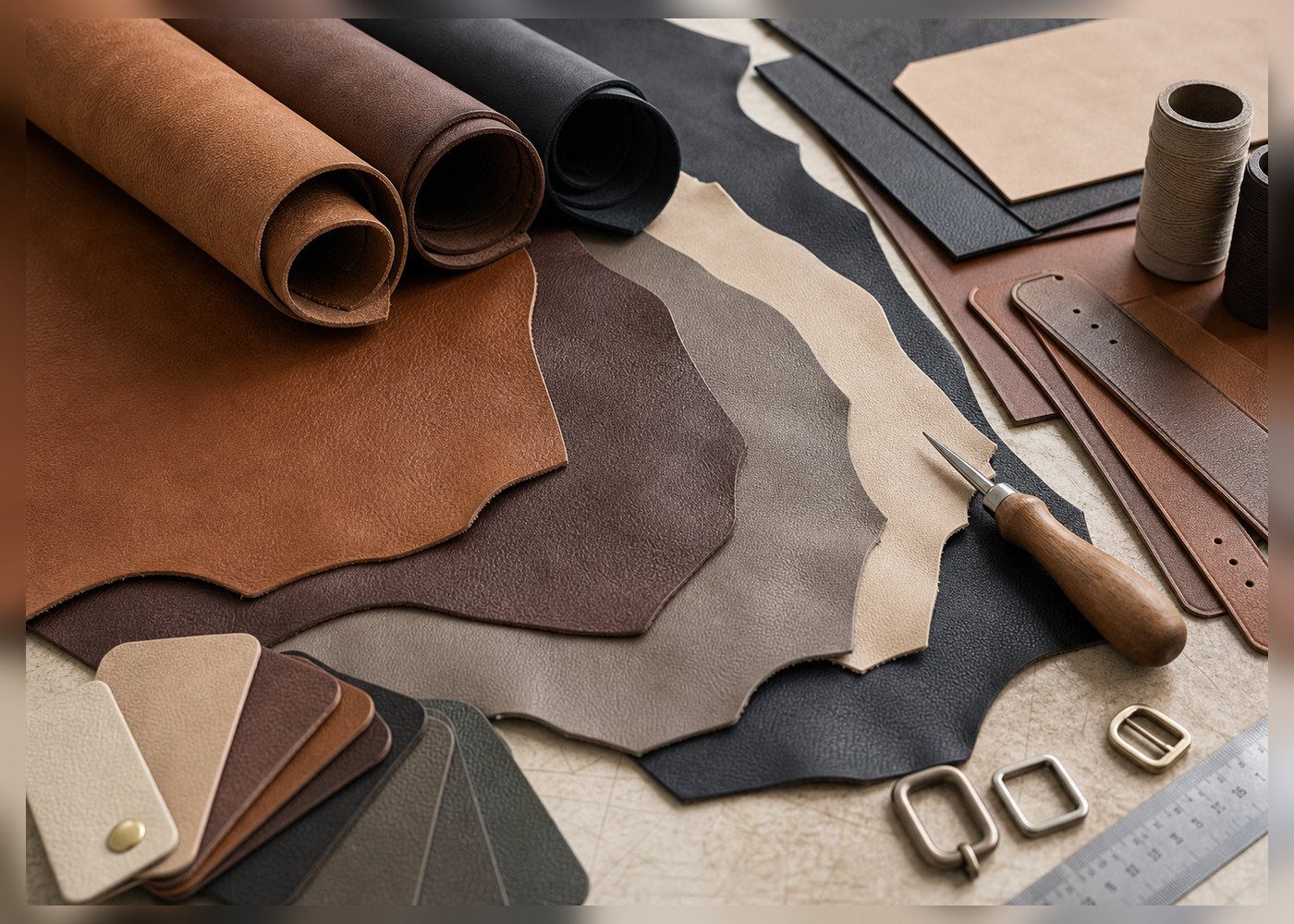
Useful materials include AI images, reference photos, sketches, mood boards, existing sample photos, a simple dimension drawing or a complete tech pack. Also include your product category, target buyer, selling channel, approximate size, material preference, target order quantity per style and per color, target colors, logo requirement, hardware preference, lining or pocket needs, packaging level, delivery country and whether a sample is required first.
For example, a boutique buyer may send a shoulder bag reference, ask for genuine leather, plan 100 pcs in one color and need an embossed logo with a dust bag. An e-commerce buyer may send an AI image, request PU or vegan leather, plan 200 pcs per color and ask whether ready stock or ODM would be safer for a first launch.
Light Customization Options During Development
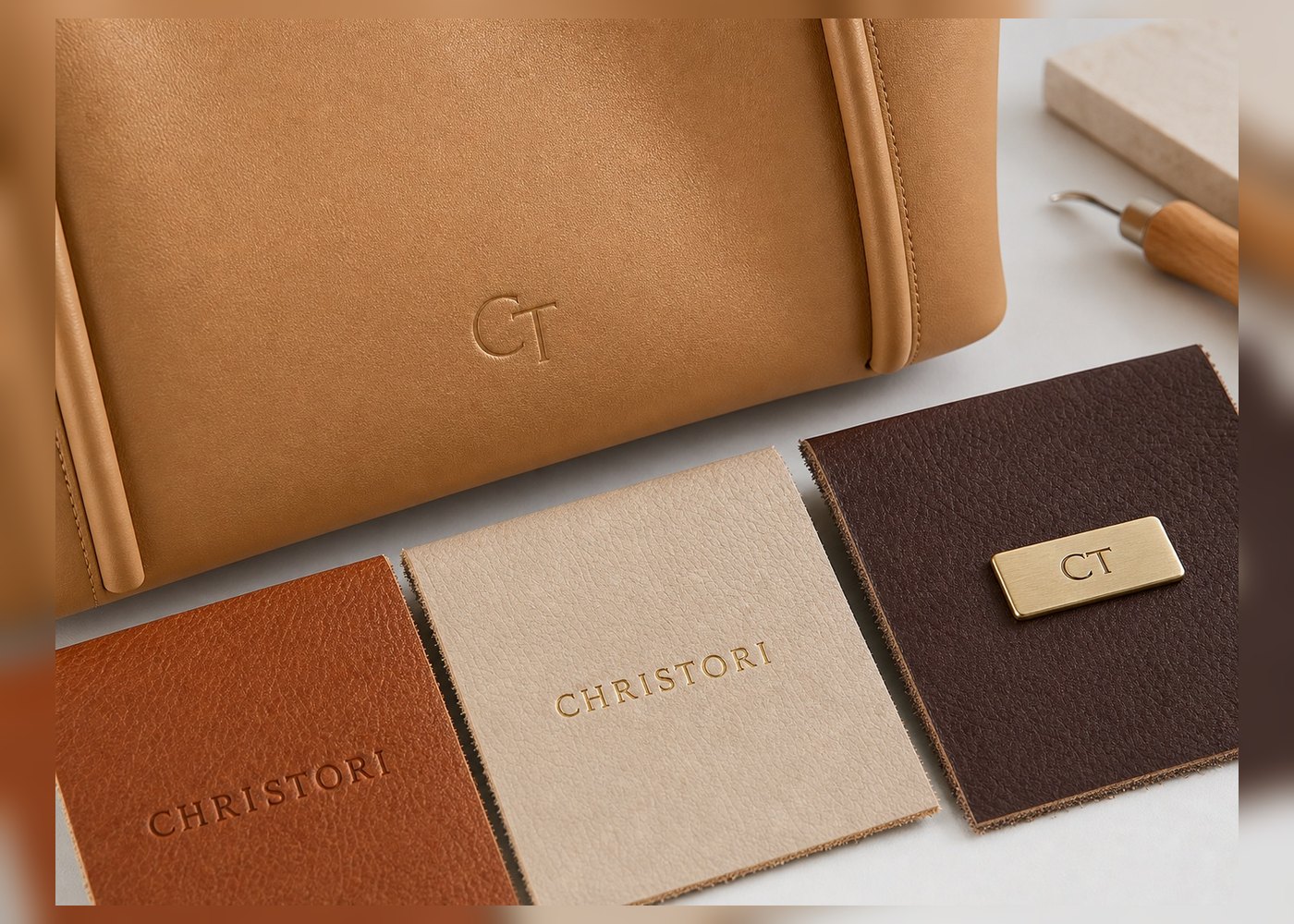
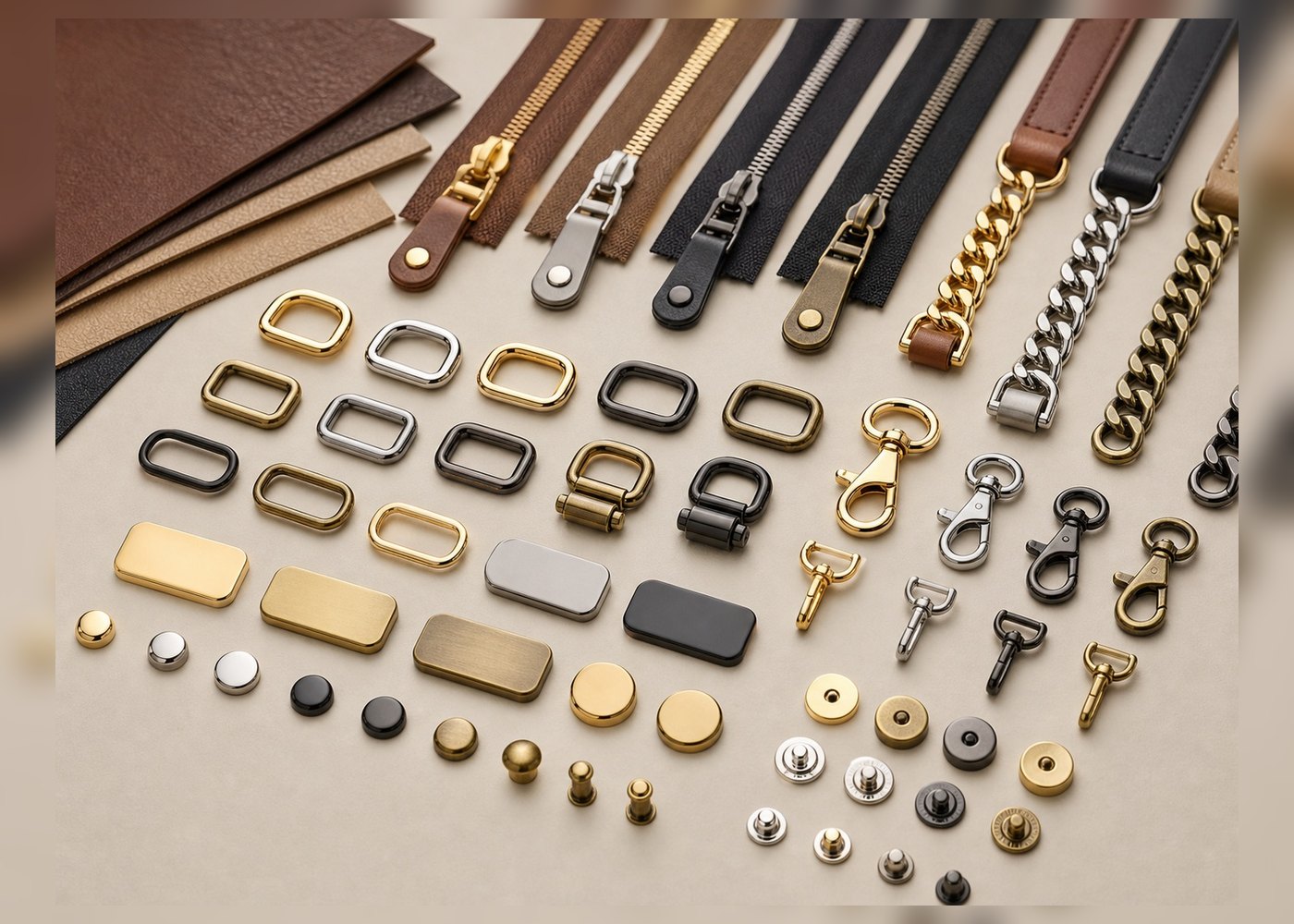
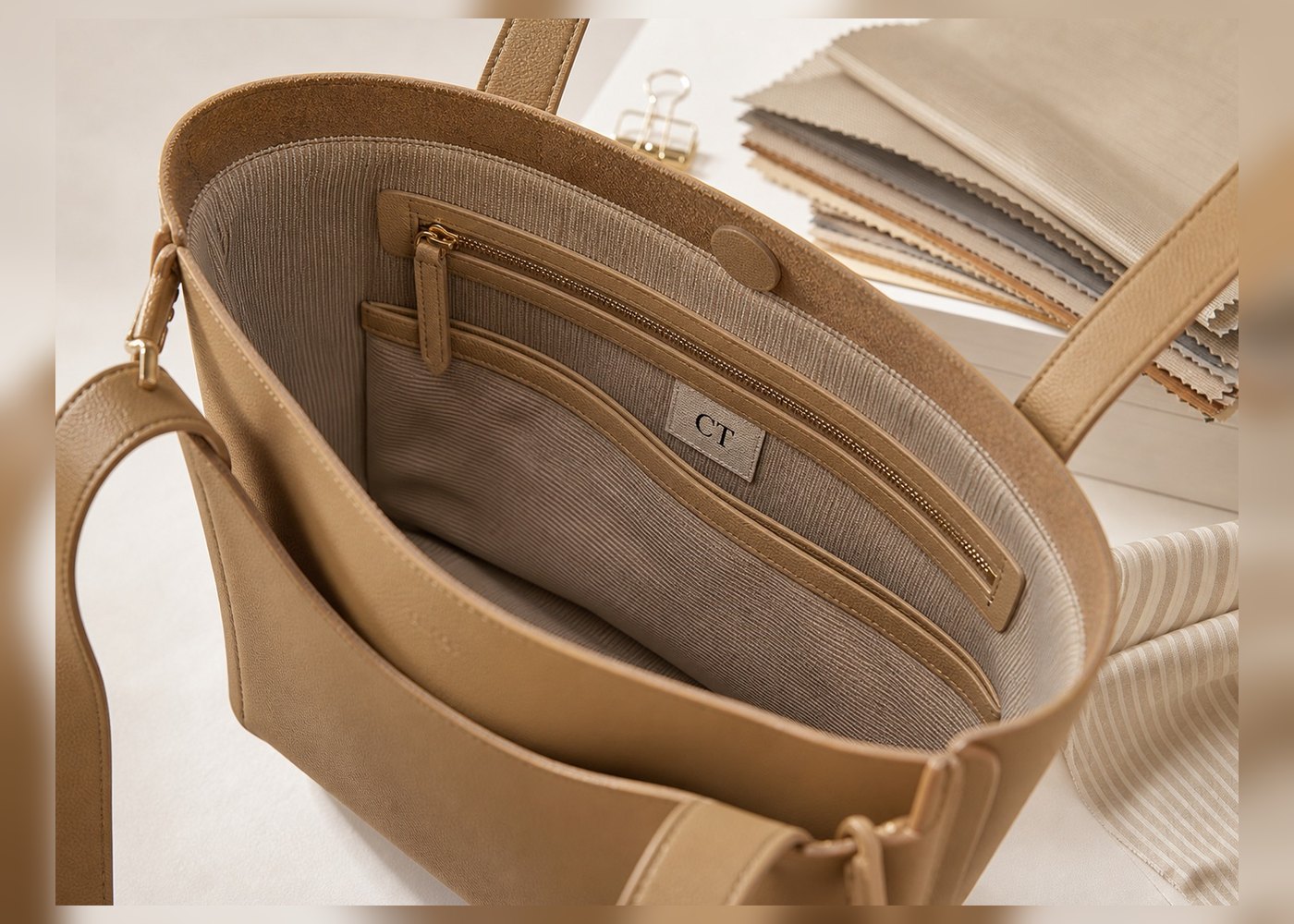
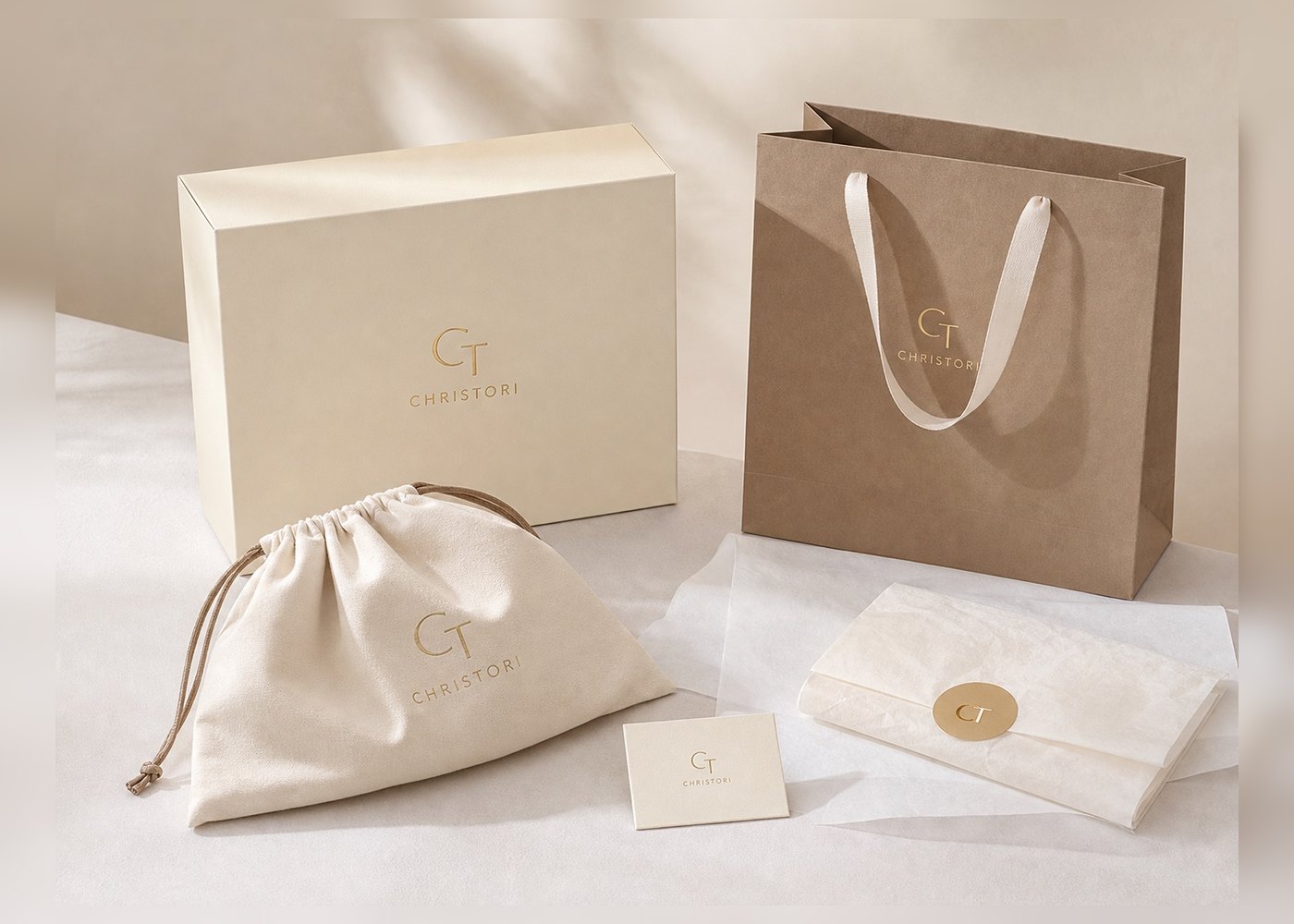
Product development does not always mean starting from zero. Many buyers use light customization to make a ready stock or ODM base style fit their brand. Common options include logo embossing or debossing, metal logos, woven labels, seasonal colors, custom lining, hardware finish, hang tags, care cards, dust bags and retail packaging.
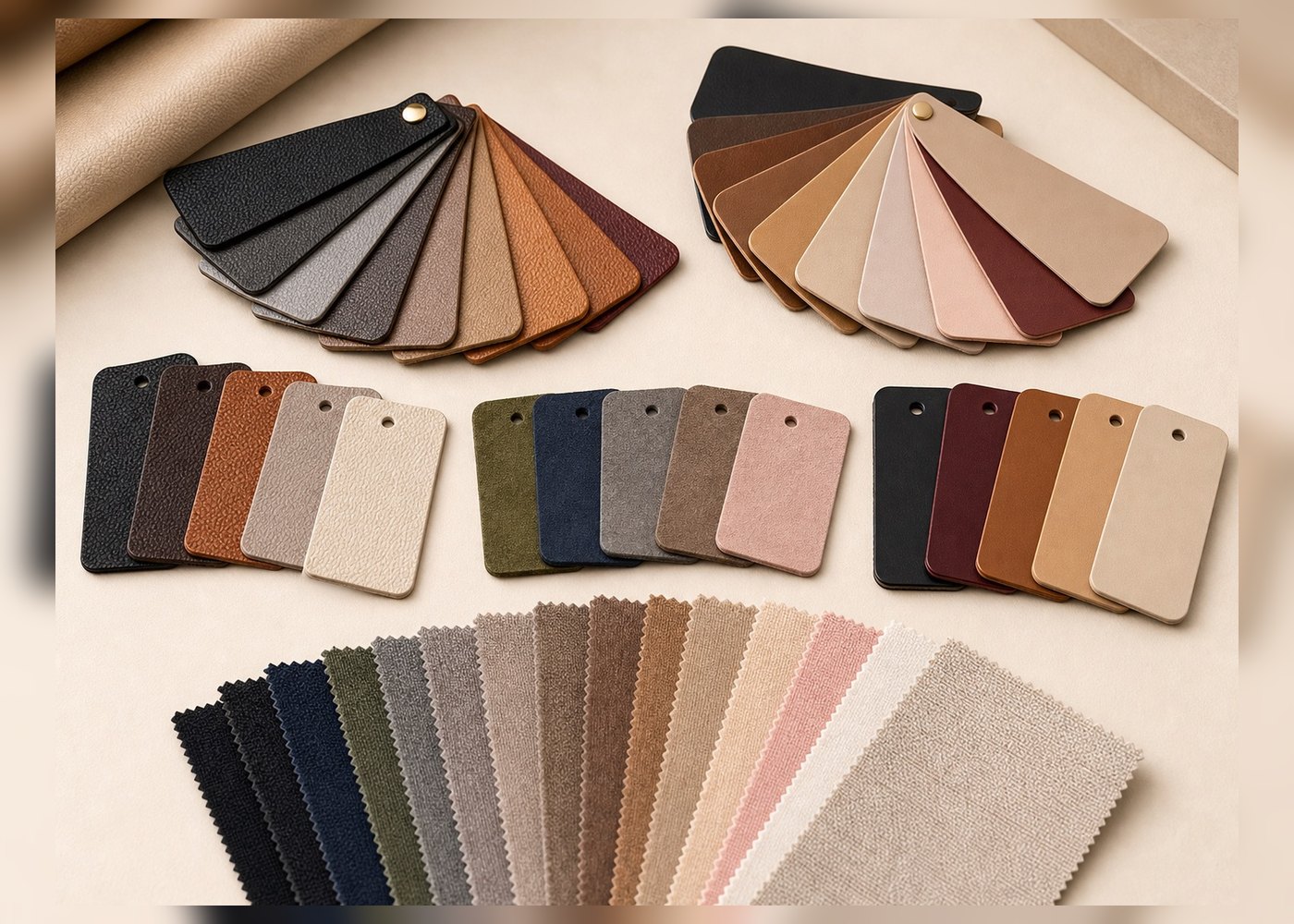
These details should be discussed early because they affect the sample plan and practical order structure. A custom metal logo may require mold confirmation. A custom color may require material swatches. Custom lining and packaging can improve brand presentation, but they should match the MOQ and target price band. CHRISTORI helps buyers compare these options before moving into sample approval.
Choose the Right Route: Ready Stock, ODM or OEM
Each route can be practical when it matches the buyer's stage, control needs and MOQ plan.
Ready Stock
- Best for
- Boutiques, wholesalers and e-commerce sellers testing demand quickly.
- What can change
- Logo, packaging, selected colors or light customization where available.
- Buyer should prepare
- Target product type, quantity, logo needs and packaging level.
- Limitation
- Existing structure is fixed or only lightly adjustable.
ODM
- Best for
- Buyers who want a factory-developed base style with brand-specific changes.
- What can change
- Material, color, logo, lining, hardware, packaging and selected construction details.
- Buyer should prepare
- Reference direction, target buyer, material preference and quantity.
- Limitation
- More flexible than ready stock, but not as open as full OEM.
OEM
- Best for
- Brands with original concepts, AI images, sketches, tech packs or physical samples.
- What can change
- Full design development, pattern, material, construction, logo and packaging.
- Buyer should prepare
- Detailed references, target size, functional needs and MOQ-ready quantity.
- Limitation
- Requires more specification work before quotation and sampling.
MOQ and Material Planning
MOQ is counted by style and color, not only by total order quantity. Custom color, custom hardware, logo molds, custom lining and packaging may affect practical order planning.
MOQ planning should happen before sampling because the development route, material choice and color plan can change the realistic cost structure of the project.
Customization Options
Reference image review
Material selection
Color planning
Logo application
Hardware finish
Lining structure
Custom packaging
Sample review
Related Handbag Development Resources
Process
Concept intake
Feasibility review
Route recommendation
Specification clarification
Sample quotation and approval
Sample development
Sample review and revision notes
Production confirmation
Product Examples
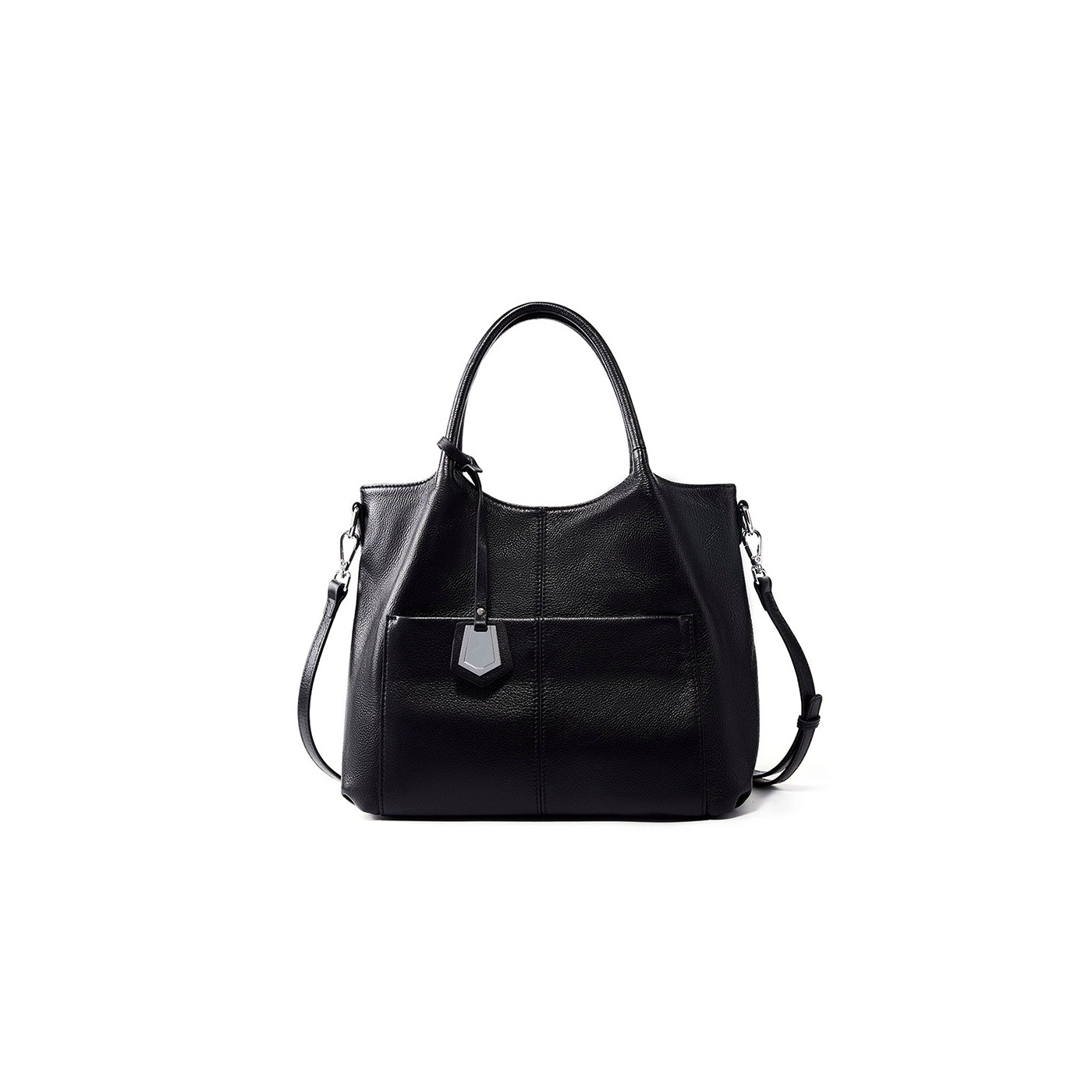
Large Leather Mom Tote Bag
MOQ 100 pcs / style / color - $28.72-$30.93 estimated wholesale range
View Details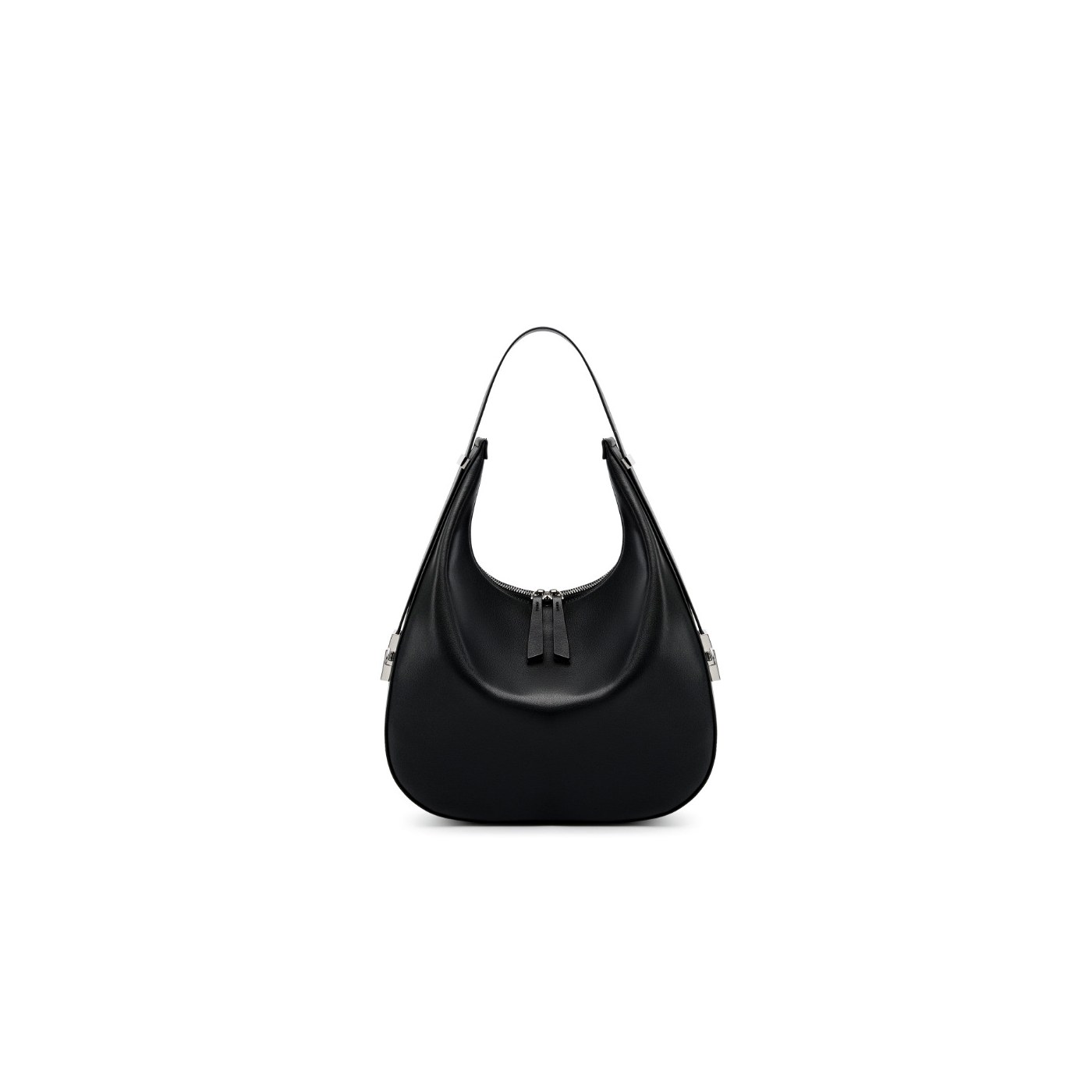
Crescent Leather Hobo Bucket Bag
MOQ 100 pcs / style / color - $28.13-$30.30 estimated wholesale range
View Details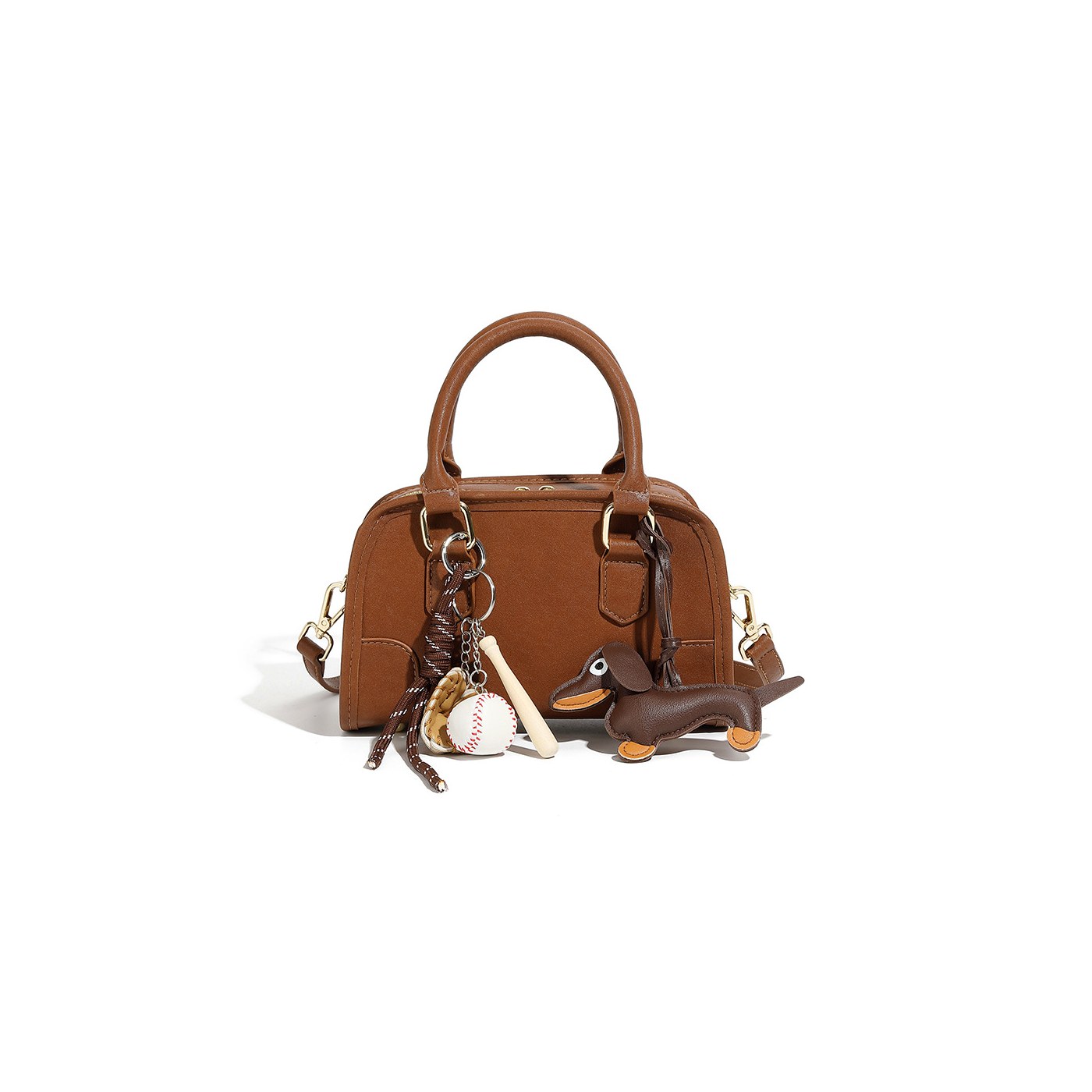
Mini Leather Boston Crossbody Bag
MOQ 100 pcs / style / color - $22.90-$24.66 estimated wholesale range
View Details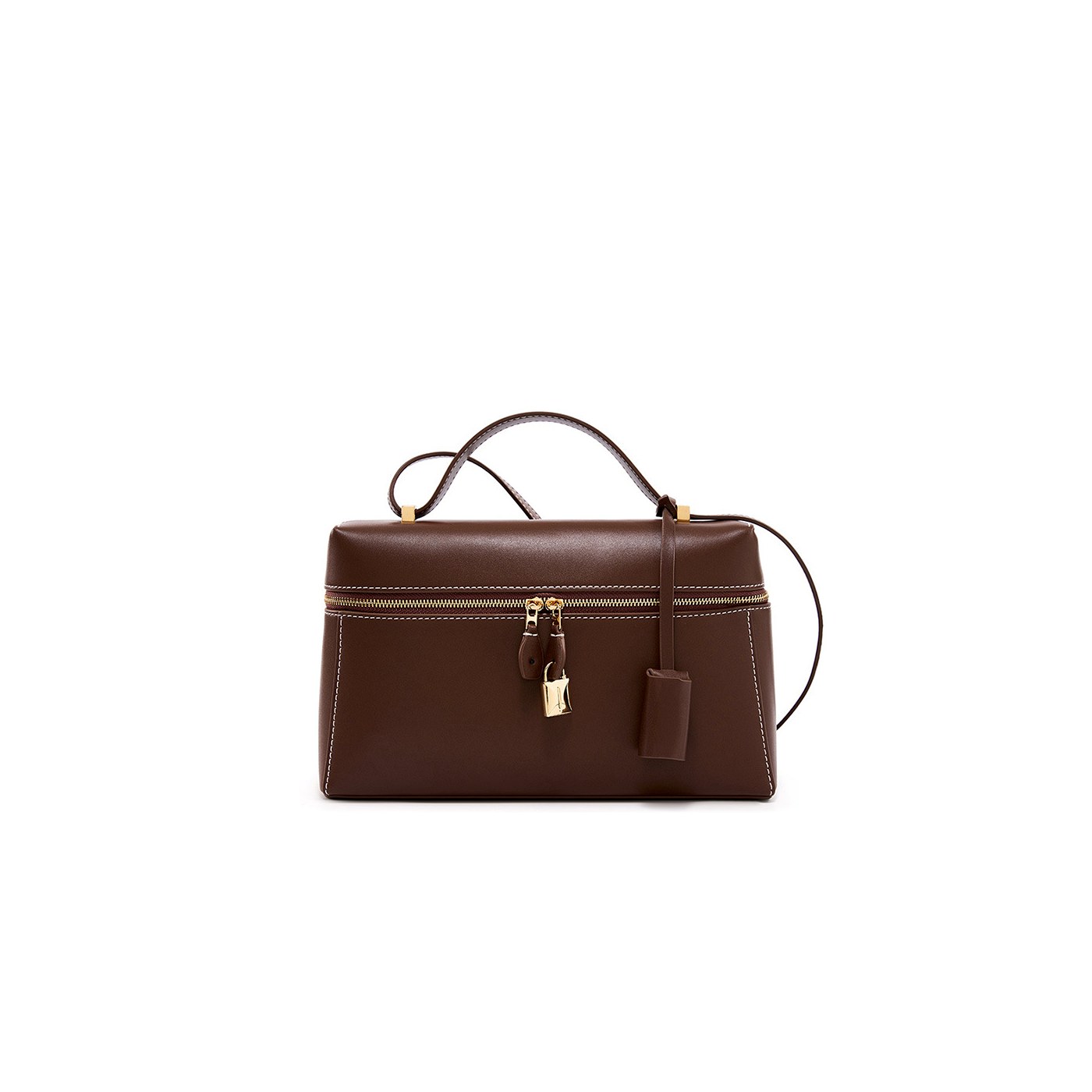
Structured Leather Box Handbag
MOQ 100 pcs / style / color - $26.19-$28.21 estimated wholesale range
View DetailsFAQ
Answers to common questions about custom handbag product development: from ai concept to production-ready sample.
Can you quote directly from an AI image?
Not accurately. An AI image can show design direction, but it usually does not define dimensions, material thickness, structure, lining, hardware, logo method, packaging or target quantity. CHRISTORI can review the image and suggest the practical route, then prepare a quote after key specifications are clarified.
What should I send without a tech pack?
Send the AI image, reference photos, sketches, target size, preferred material, target quantity, logo needs and packaging requirements you already know. A full tech pack is helpful, but early-stage buyers can still start with clear visual references and a practical RFQ checklist.
What is the difference between Ready Stock, ODM and OEM?
Ready stock uses existing handbags for wholesale or light customization. ODM starts from an existing factory-developed style and adjusts details such as material, color, logo, lining, hardware or packaging. OEM develops a more original design from a buyer concept, sketch, tech pack, reference image or sample.
What MOQ should I plan?
For genuine leather projects, plan for 100 pcs / style / color. For PU, canvas and nylon projects, plan for 200 pcs / style / color. MOQ should be reviewed together with material, color, logo, hardware and packaging requirements.
Can I start with ready stock and customize later?
Yes. Many B2B buyers start with ready stock or light customization to test market response, then move into ODM or OEM development after they understand which styles, colors and price ranges work for their customers.
Can Christori help choose materials for a new handbag concept?
Yes. Buyers can provide the target style, use case, price band and reference images, then CHRISTORI can help compare genuine leather, PU, vegan leather, canvas, nylon or mixed-material options before sampling.
Can logo and packaging be developed together with the bag?
Yes. Logo method and packaging should be discussed early because embossing, metal logos, printed logos, woven labels, dust bags, boxes, hang tags and care cards can affect sample planning and bulk order preparation.
Send Your Handbag Concept for Factory Review
Upload your AI image, sketch, reference photo or tech pack and tell us your target quantity, material preference and branding needs. CHRISTORI will help you decide whether ready stock, ODM or OEM is the practical route for your project.