One of the most powerful advantages of working directly with a handbag manufacturer is the ability to build brand identity into the physical product before it reaches the customer. Private label branding goes far beyond sewing a label into a bag; it is about creating a cumulative set of details that make your product recognizable, repeatable and easier to merchandise.
For B2B buyers, the practical question is which branding choices fit the order route, MOQ, material and launch stage. A first private label order may only need a logo, inner label and dust bag. A more mature program may justify custom hardware, printed lining and retail packaging. This guide explains the branding tools available at the manufacturing level and how to brief a private label handbag manufacturer clearly.
1. Logo Application Methods
The method by which your logo appears on the bag has a direct impact on how your brand is perceived at the quality tier.
Debossing: The logo is pressed into the leather surface without ink or foil, creating a subtle, tactile impression. It works best on smooth or stable leather surfaces where the impression can stay clean after production and packing.
Embossing with foil: A metallic foil (gold, silver, or rose gold) is applied within the debossed impression. Slightly more visible than plain debossing, effective for contemporary premium brands who want logo legibility across the retail floor.
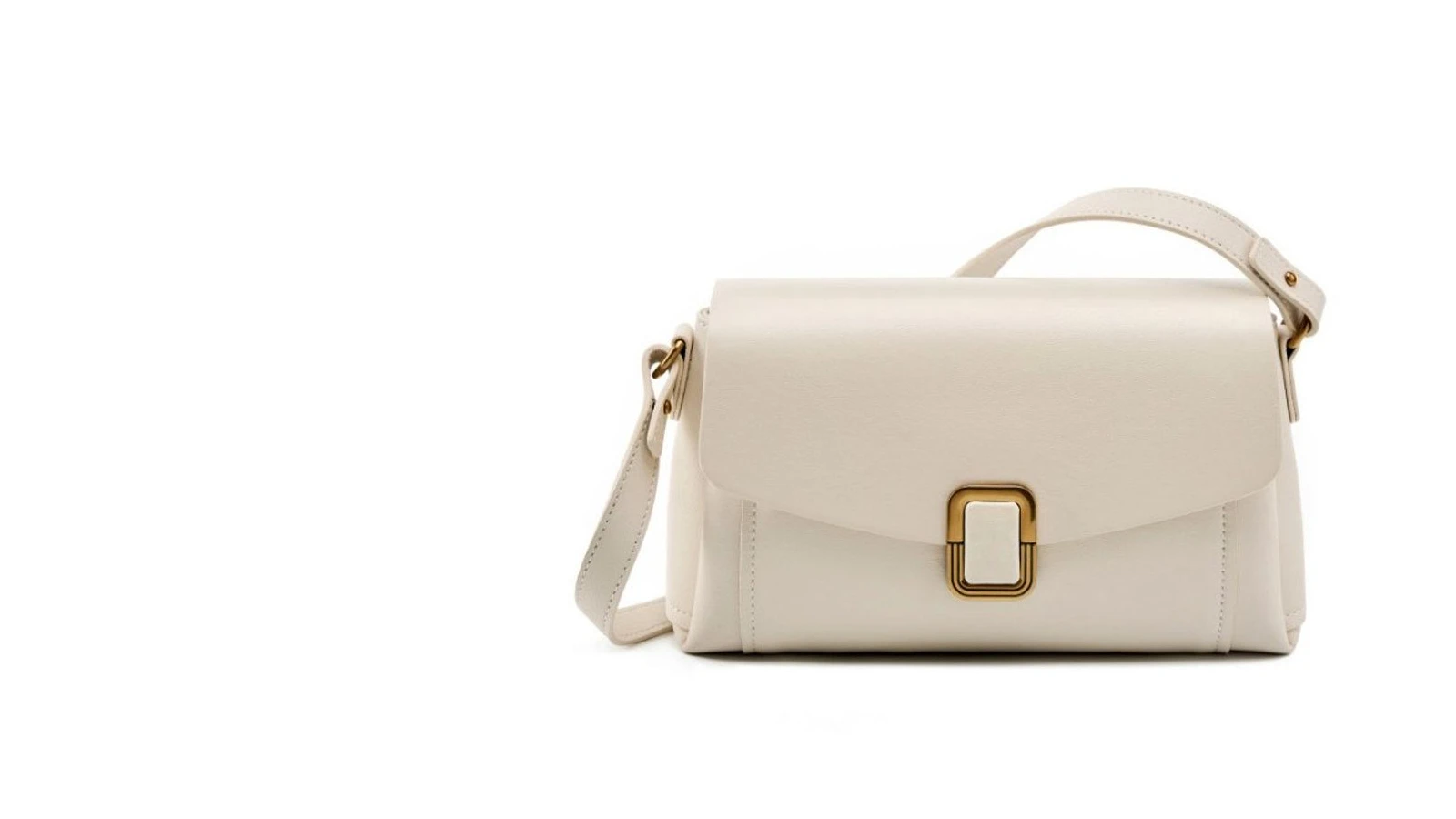
Metal hardware logo: A custom-cast brass or zinc alloy plate or rivet stamped with your brand name or monogram. Attached to the exterior of the bag. High perceived value, particularly effective on structured styles.
Woven label: For the bag's interior, a jacquard-woven label in your brand colors is the standard premium solution. The quality of the weave density directly communicates the quality of the brand.
Before choosing a logo method, confirm the bag material, logo size, placement and order quantity. Embossing may work well on one leather but look weak on another; metal logos may require molds and plating confirmation; woven labels are often easier for lower-risk first orders. If you are starting from an existing factory style, ask whether the branding can be added to ready stock handbag styles or whether the order should move into ODM development.
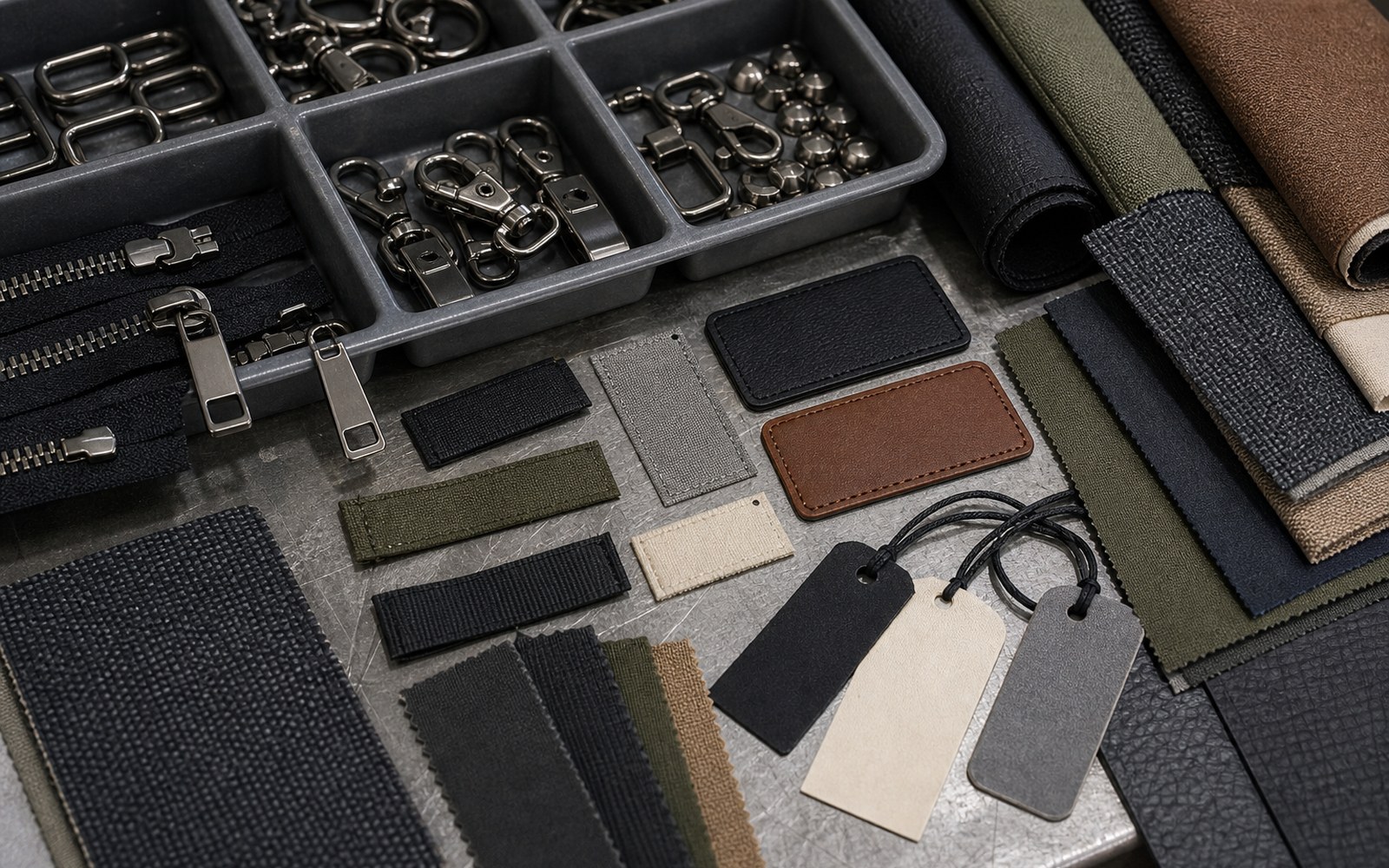
2. Custom Lining: The Interior Brand Statement
The lining of a bag is a private moment between the brand and its customer — and one that most brands neglect entirely. A well-designed custom lining transforms the interior of the bag into a brand touchpoint.
Options available at the manufacturing level include:
- Custom jacquard woven lining: Your brand pattern woven directly into the fabric. This can be effective for established lines, but the fabric supplier may have minimums.
- Custom printed canvas lining: A repeat pattern or monogram printed on canvas lining. This can be more accessible for smaller brands, depending on artwork and quantity.
- Brand color lining: Even a simple solid lining in a signature brand color creates a distinctive brand signature at minimal cost premium.
Lining should be confirmed before sampling, not added after the exterior sample is approved. The lining choice affects interior pockets, label placement, zipper color and sometimes the sample lead time.
3. Custom Hardware: The Detail That Defines the Collection
Custom hardware — bearing your brand's unique design rather than a factory standard — is what separates a private label product from a branded product.
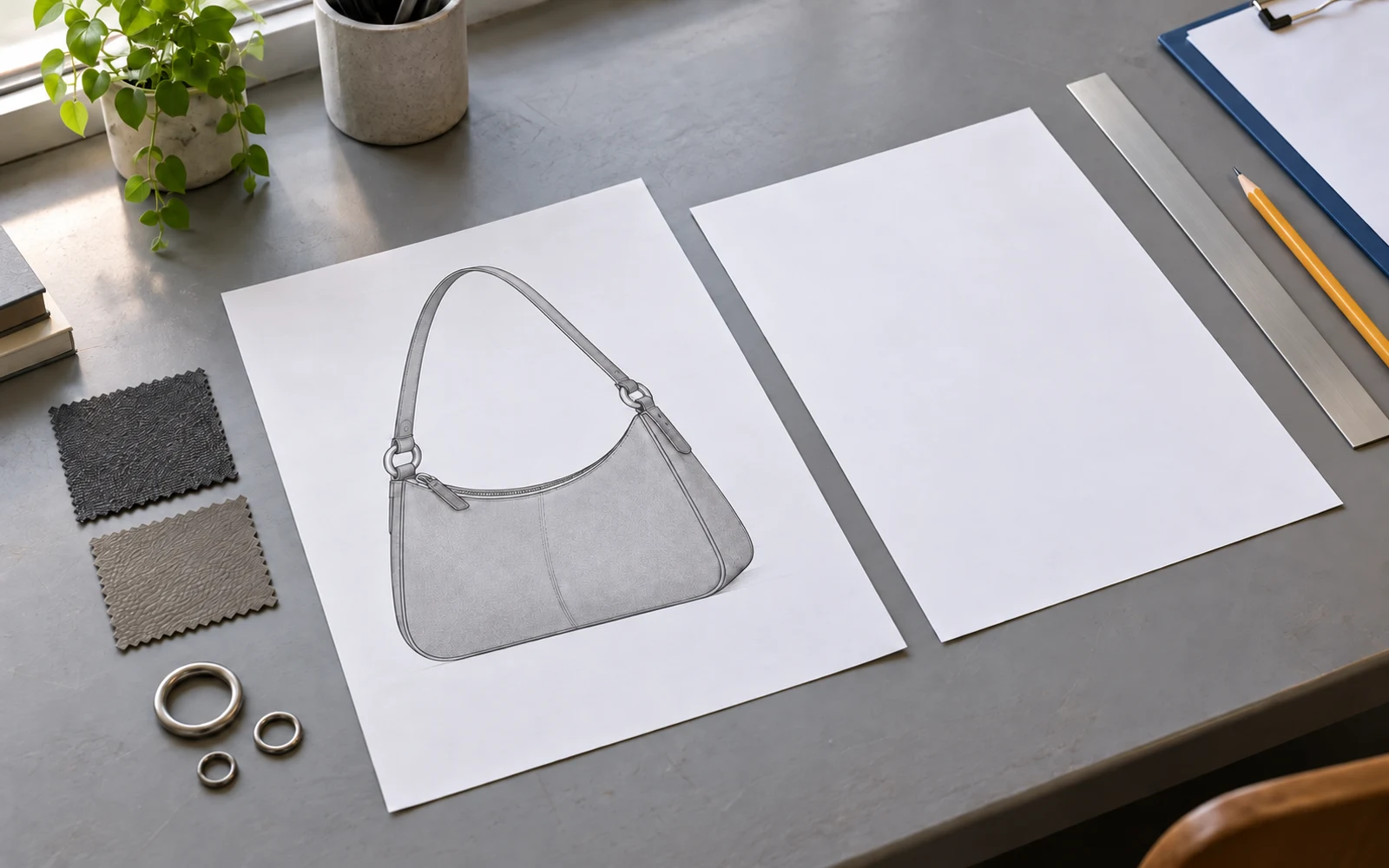
Custom hardware can include buckles, clasps, zipper pulls, strap hooks or logo plates. It can improve perceived value, but it also adds tooling, plating and approval steps. MOQ depends on the component, finish, supplier and order route, so buyers should avoid assuming that every logo plate or buckle can be produced at the same quantity as the bag body.
For many first private label launches, standard hardware with a custom logo application is the cleaner route. Once a style has proven sell-through, the next production round can move toward custom-cast hardware through OEM and ODM handbag manufacturing.
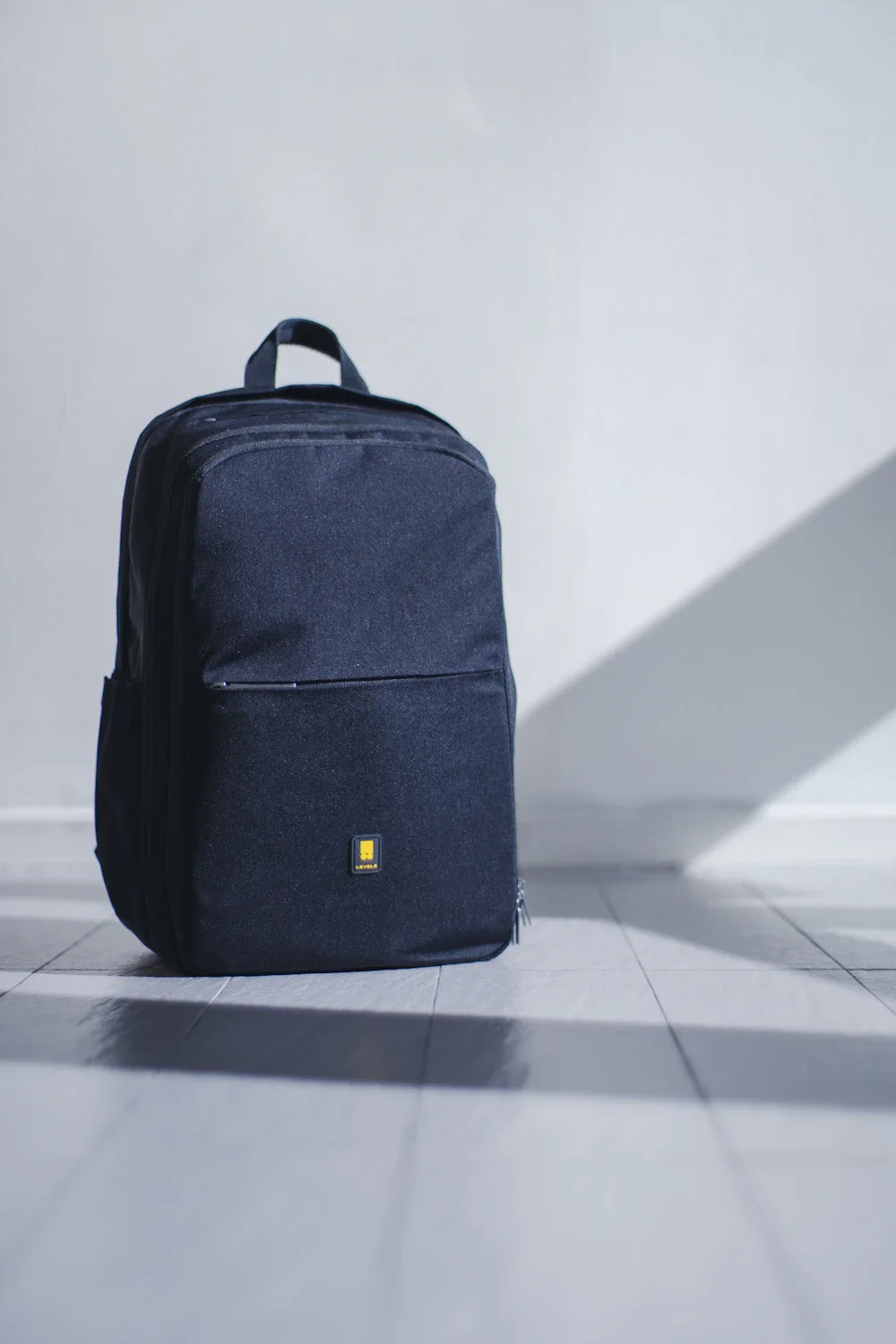
4. Dustbag and Packaging as Brand Extension
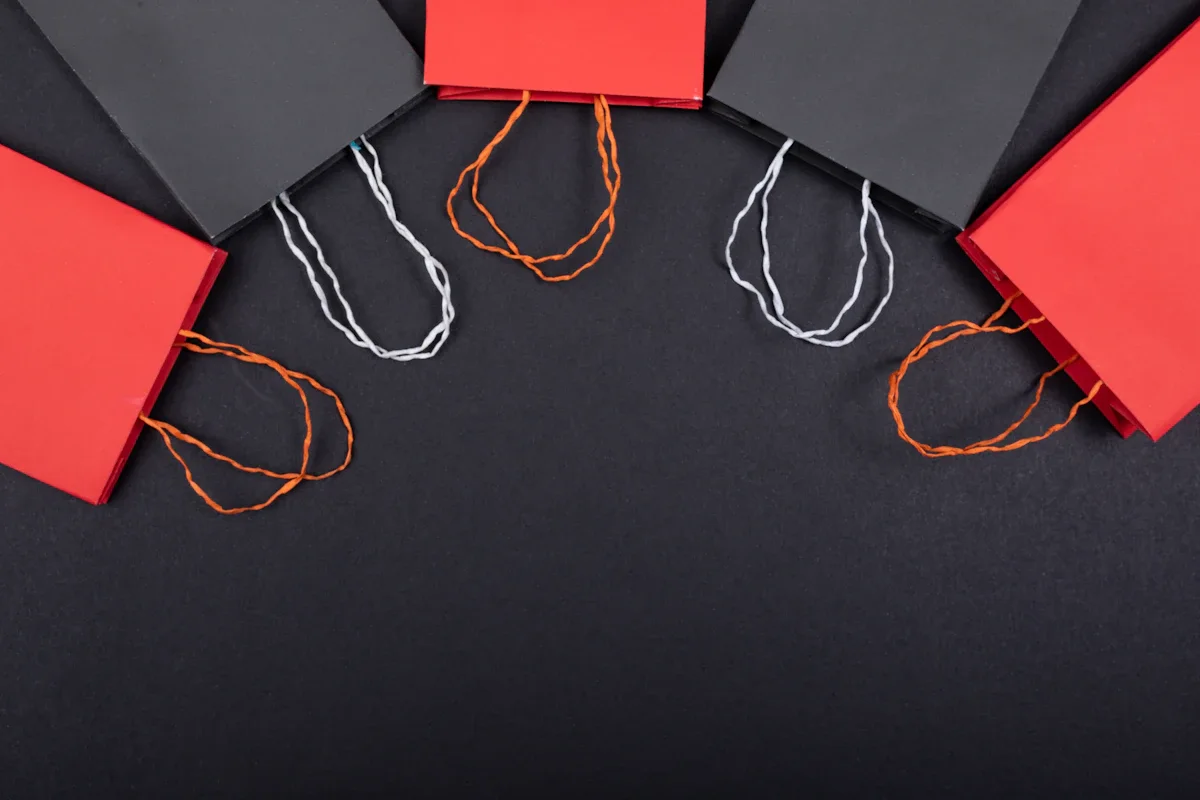
The dustbag is often one of the most cost-effective branding investments in leather goods because it stays with the bag after purchase and protects the product during storage. A branded care card, hang tag or simple box can also help the product feel more complete, but packaging should match the price band and order size.
Custom handbag packaging may include dust bags, hang tags, care cards, tissue paper, boxes or carton marks. Buyers should confirm packaging before quotation because each item can affect unit cost, supplier minimums, packing volume and production timing. Overbuilding packaging for a small test order can make the landed cost harder to manage.
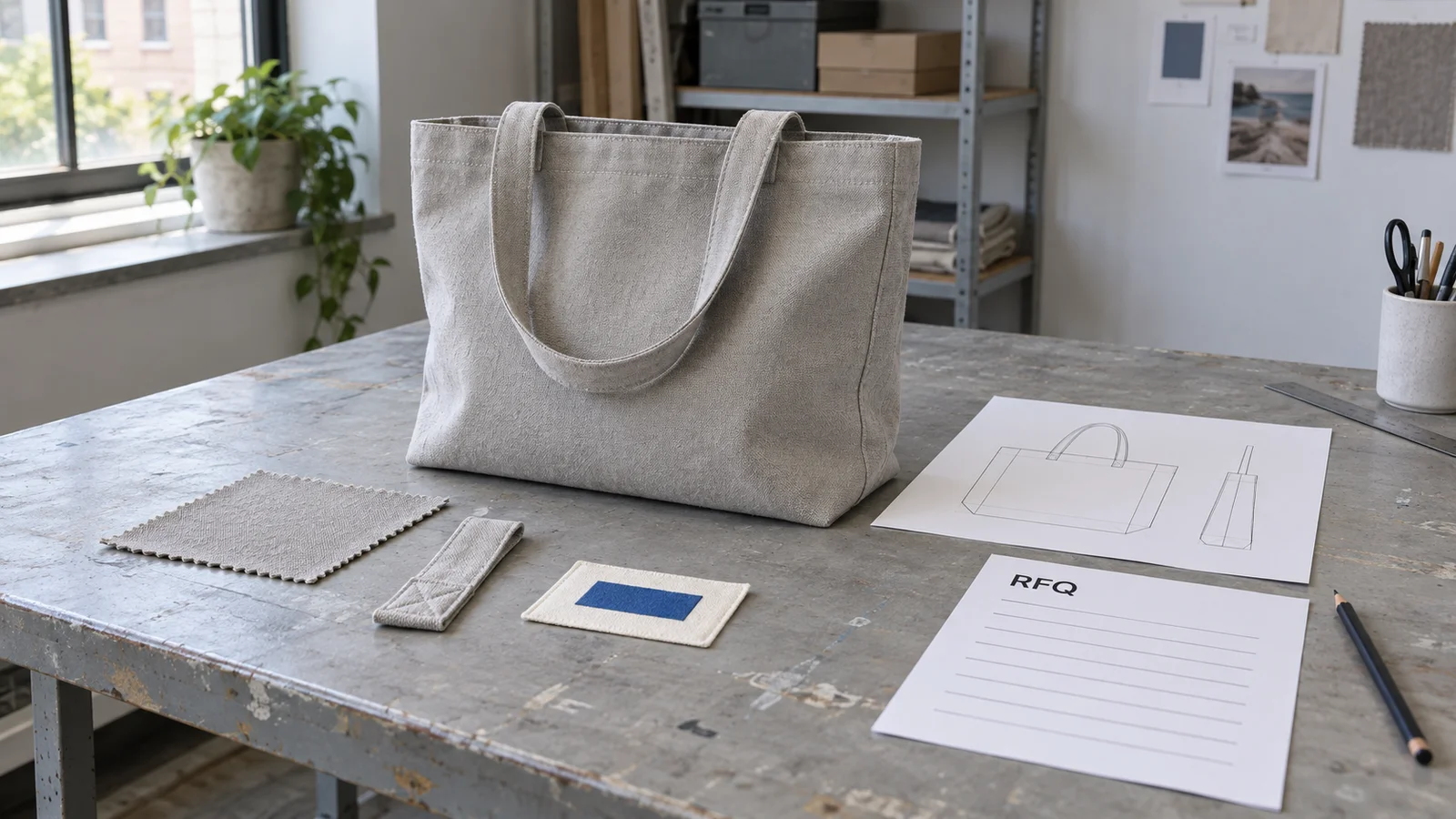
Private Label RFQ Checklist
Before asking for a factory quote, prepare the basic branding details that affect cost and sampling:
- Bag style or reference product
- Target quantity per style and color
- Material preference and colorways
- Logo file, logo method and placement
- Inner label, lining and pocket requirements
- Hardware finish and whether custom hardware is required
- Packaging items such as dust bag, hang tag, care card or box
- Delivery country and target launch timing
A clear RFQ lets the factory separate standard branding options from items that require tooling, supplier minimums or extra sample approval.
Conclusion
Private label branding at the manufacturing level is not about spending more — it is about spending deliberately. The brands that build the strongest product identity are those that identify two or three signature branding details and execute them with consistency and quality across every production run.
If you are planning a private label handbag order, prepare your logo files, target quantity, product references and packaging needs, then request a factory quote so Christori can suggest a practical branding route before sampling.
B2B Buyer Checklist
Before you request a quote, prepare the information that affects MOQ, sample cost, lead time and final unit price.
- Target product category, size and reference images.
- Expected order quantity per style and per color.
- Material preference, lining requirements and hardware finish.
- Logo method, packaging items and delivery country.
- Target retail price or target factory price range.
Decision Table
| Buyer Question | Why It Matters | What to Send the Factory |
|---|---|---|
| What is my MOQ target? | MOQ affects material sourcing, production planning and unit price. | Quantity per style, per color and launch schedule. |
| Which material should I choose? | Material controls price band, durability and brand positioning. | Reference photos, desired texture and target market. |
| How much customization do I need? | Logo, lining, hardware and packaging change sample time and cost. | Logo files, packaging references and required details. |
| What is my delivery deadline? | Sampling, production and shipping need realistic planning. | Launch date, delivery country and preferred shipping method. |