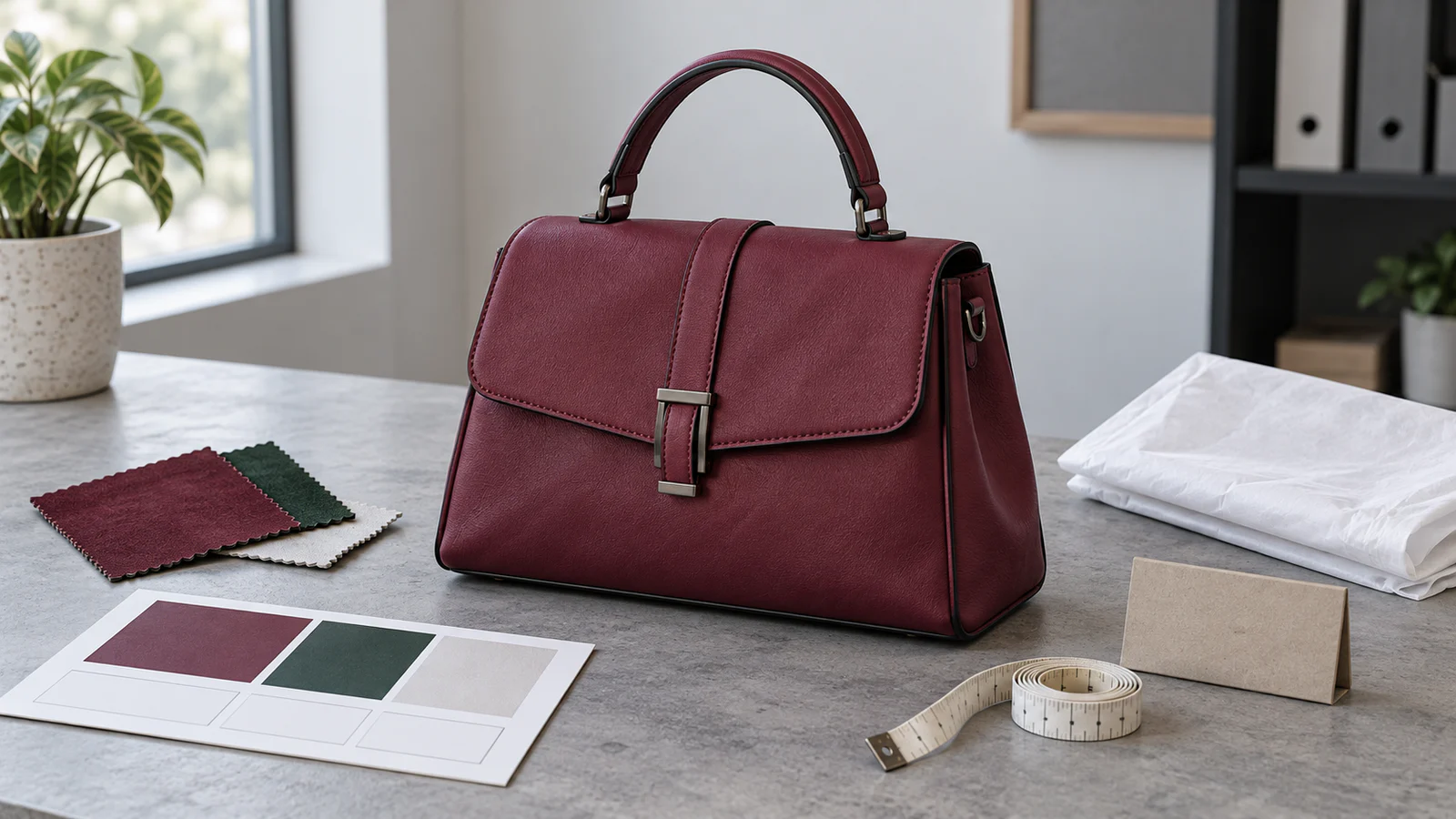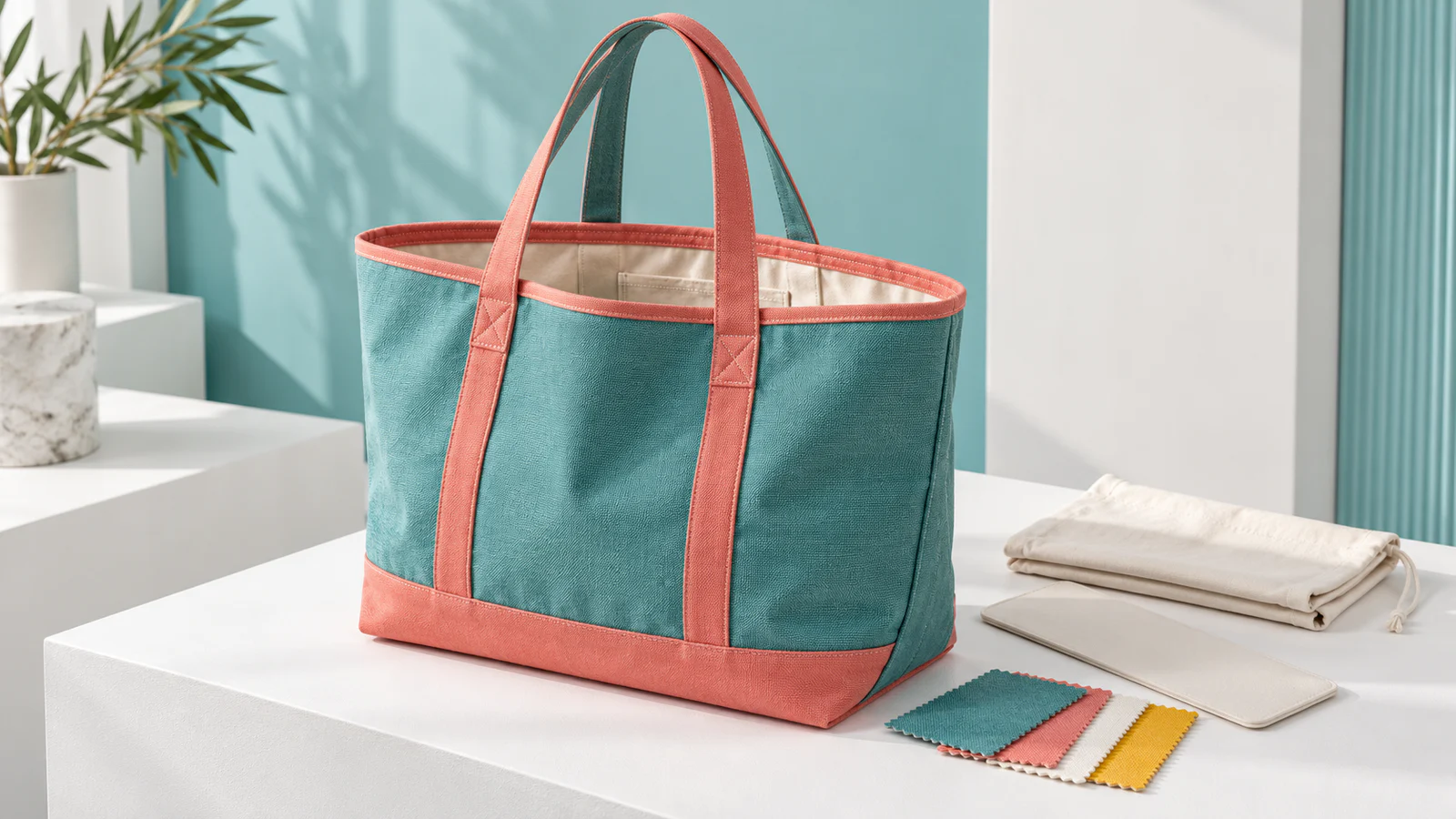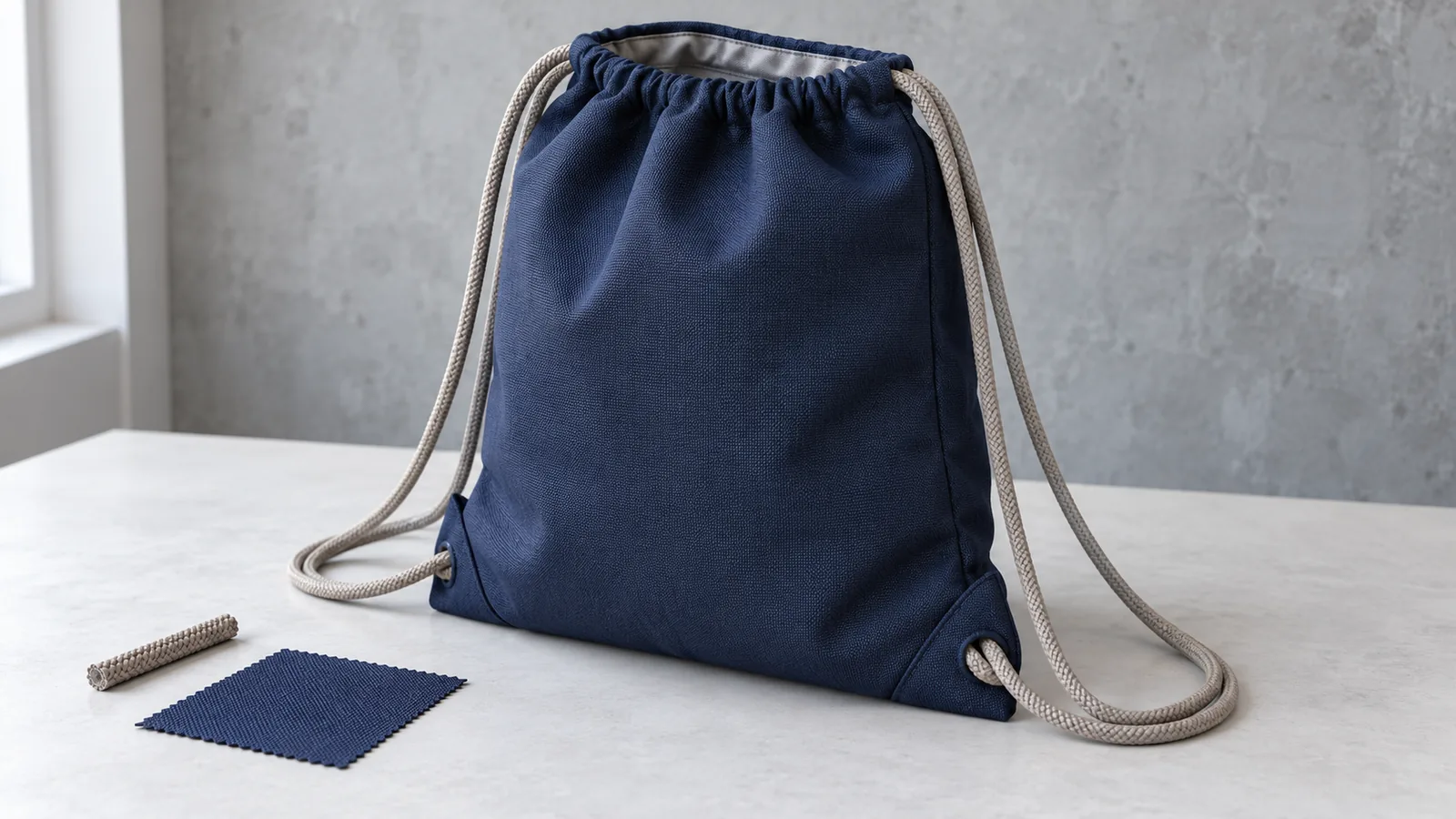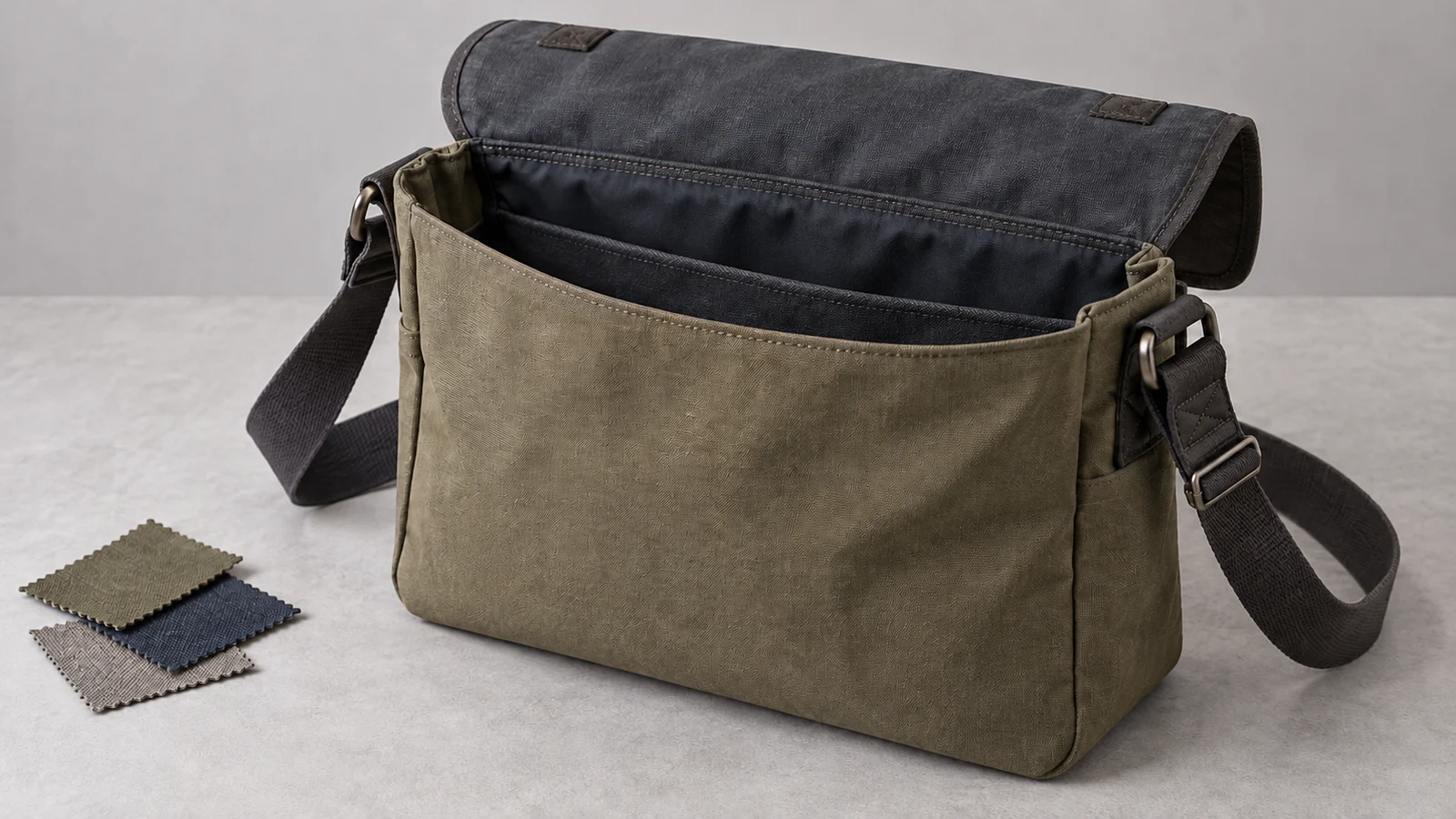
A Canvas Messenger reference can show the general silhouette, but it rarely defines the product well enough for a comparable quotation. The supplier still needs the body dimensions, Canvas material direction, flap and closure relationship, clear opening, strap attachment, interior layout, edge construction, base behavior, branding and quantity context.
Useful canvas messenger bags wholesale specifications separate what the buyer requires from what the supplier must propose or confirm. They also distinguish a visual preference from a verified material or performance result. A bag shown with a wide flap is not automatically secure, weather-resistant, suitable for a particular device or available as stock. Those points remain project-specific until the actual style, specification and sample are reviewed.
Start With the Commercial Role and Sourcing Route
Describe where the Messenger bag sits in the assortment before discussing components. A boutique capsule, work-oriented private-label range, promotional project and multi-SKU wholesale program may use a similar silhouette but require different branding, packing and approval records.
Ready Stock starts with one identified existing style. Ask for its current dimensions, material, colors, interior, strap, packing, available quantity and permitted changes. The Ready Stock handbag route is useful when the buyer wants to review an actual existing item, but a category name or reference photograph does not prove that a Canvas Messenger style is available.
Existing-style customization keeps the approved underlying construction while changing a limited set of confirmed elements. A logo, color, lining, hardware or packing request may be possible, but it should not silently become a new flap geometry, strap anchor or compartment system.
Custom, OEM or ODM development is appropriate when the buyer needs the Messenger format translated into measured construction and a versioned sample. Use handbag product development when the opening, flap, carry system or interior must be developed rather than selected. Quantity may be an estimate, target range or to be confirmed during the first review; commercial terms still depend on the actual project.
Define the Canvas Direction Without Assuming Performance
Canvas is not one universal fabric specification. Send a physical swatch, approved reference or clear material direction covering color, surface, hand-feel and desired body behavior. State whether the body should appear relaxed, moderately supported or more defined, but leave the supplier to identify the proposed material and support system.
Use the Canvas material guide to frame early questions. If the buyer is still deciding between textile routes, the Canvas versus Nylon material and sampling guide explains how to compare visual direction, structure and sample evidence without turning appearance into a technical claim.
Record the body, flap, trim, strap, lining, reinforcement and base as separate material fields. They may not use the same construction. Ask the supplier to name substitutions and provisional parts in the quotation or sample record so an approval is not carried over silently to a different material.
Do not infer fabric weight, fiber composition, coating, colorfastness, water resistance, abrasion performance or cleaning method from a photograph. If one of those outcomes matters, write the intended use scenario and request the relevant project-specific material information or test plan. This article does not establish a Christori test result or a standard performance level.
Specify the Flap, Closure and Usable Opening Together
The flap is not only a styling panel. Its depth, side coverage, hinge line, edge behavior and closure position affect access, branding space and the way the body rests. A supplier cannot calculate those relationships accurately from a front view alone.
A useful Messenger bag flap specification records those relationships rather than naming only a shape or closure.
Send front, side and open views. Mark the flap length and width measurement points, where it meets the back panel, and the intended closed position. If the flap has shaped corners, binding, piping or a layered edge, show which details are required and which are open to supplier proposal.
The closure must be reviewed with the flap and packed body. A magnetic, buckle, hook-and-loop, zipper-under-flap or other direction is not automatically confirmed for every route. Mark the intended closure location and operation, then ask whether the proposed part changes the clear mouth, interior space or exterior branding position.
Use this decision table before requesting a quote:
| Decision area | Buyer input | Supplier confirmation | First-sample observation |
|---|---|---|---|
| Flap geometry | Front/side/open reference, target coverage and measurement points. | Proposed finished geometry, edge construction and any deviation. | Flap sits at the approved position without unintended twisting or pull. |
| Closure relationship | Closure direction, location and required opening action. | Actual component proposal and effect on panels, lining and branding. | Closure aligns and operates through the agreed access sequence. |
| Clear opening | Required mouth direction and representative contents selected by the buyer. | Finished clear opening and any component that narrows it. | Agreed contents follow the intended insertion and removal path. |
| Handle or strap interference | Desired carry position while opening the bag. | Anchor and strap position relative to flap and mouth. | Carry parts do not block the approved opening action. |
| Edge treatment | Bound, turned, piped or unresolved visual direction. | Feasible construction proposal for the selected material system. | Visible edges and corners match the approved sample standard. |
Measure the usable opening in the condition that will be quoted. Exterior body width does not prove document or device access. Ask the sample reviewer to repeat the opening sequence with the actual representative contents chosen by the buyer rather than relying on an empty-bag photograph.
Coordinate the Shoulder Strap and Anchor Zones
Specify the intended carry mode, strap material direction, width, adjustment requirement and target drop or range with a measurement method. The correct dimensions depend on the buyer's intended use and sample; this guide does not prescribe one universal strap length.
Show both anchor zones in front, side and open views. Clarify whether the strap is fixed, adjustable, detachable or still unresolved. If connectors or adjusters are requested, identify their placement and finish direction, then verify the actual component proposal through the handbag hardware guide.
The visible attachment patch is not the complete construction. Ask the supplier to explain the proposed relationship among outer body, internal support, lining and attachment area without publishing unsupported load claims. On the sample, compare left and right placement, observe whether the body pulls unevenly and check whether the strap or connector interferes with the flap, closure or mouth.
If the visual reference resembles a courier-style bag, use that only to explain the intended shape or access direction. It does not establish professional-use performance, carrying capacity or a tested strap system.
The Shoulder Bag collection and Crossbody Bag collection can help a buyer compare broad carry directions. They do not confirm that an unidentified Messenger construction is in stock or suitable for every requested change.
Map the Interior, Lining and Compartment Relationships
A compartment list is not enough. Messenger bag compartment specifications should show how each zone is reached, what adjacent space it uses and which contents need separation. Start with one main cavity, then add only the document sleeve, device zone, quick-access pocket, organizer or divider required for the project.
Provide the target contents or their actual dimensions and cases. Mark the expected insertion direction and whether access must remain possible while the main compartment is partly loaded. Do not label a sleeve device-compatible or protective until the intended item and finished sample have been reviewed.
State whether the bag is lined, unlined or unresolved. For a lined bag, request the proposed lining reference, attachment method and pocket/divider plan. For an unlined direction, agree how the internal seams and edges should be finished. The lining material guide can support the discussion, but the exact lining and construction remain part of the project specification.
Observe how pockets and dividers change the usable cavity. A flat-looking sleeve can consume space when loaded, and a closure or strap anchor may affect the same zone. Record those relationships on an open-interior drawing and in the sample comments.
Define Body Depth, Edge Construction and Base Support
Record body width, height and depth with units, measurement points and measuring condition. Show the side gusset, corner shape and intended resting behavior. A relaxed Canvas body, a more defined Messenger silhouette and a flat-packed promotional direction may require different support and packing proposals.
Separate the outer edge appearance from the internal construction proposal. Binding, turned edges, piping and exposed seams each change the visible result and quote scope. Do not assume the same edge method can be transferred unchanged to a different fabric, lining or support material.
Define the base as soft, supported, locally reinforced or unresolved. State whether the bag should stand, rest softly or fold for packing. Ask the supplier to identify any proposed insert or support layer and whether it is removable, fixed or provisional on the sample.
This Messenger specification should not be replaced with the Canvas Tote RFQ checklist. A Tote usually centers on handles and an open or top-closure body; the Messenger question is the interaction of flap, shoulder strap, usable opening and interior access.
Prepare a Comparable RFQ and First-Sample Record
Send one dated specification version and classify each field as confirmed, supplier option requested or unresolved. Ask every supplier to quote against that same record and list deviations rather than filling gaps silently.
| RFQ field | What the buyer sends | What the supplier confirms | What to check on the sample |
|---|---|---|---|
| Route and reference | Dated views or sample and preferred Ready Stock, existing-style or development route. | Exact reference/version used and known deviations. | Sample identity and provisional components are recorded. |
| Dimensions and silhouette | Width, height, depth, measurement points and intended body behavior. | Finished dimension proposal and measuring condition. | Measure at agreed points and observe the resting shape. |
| Canvas material system | Body, flap, trim, strap, lining, support and base directions. | Actual proposed references, substitutions and unresolved performance questions. | Compare appearance, hand-feel and structure with the approved direction. |
| Flap, closure and opening | Open/closed views, coverage, closure position and required access path. | Construction proposal and resulting clear opening. | Operate the closure and repeat the insertion/removal sequence. |
| Strap and anchors | Carry mode, width/drop method, adjustability and attachment locations. | Strap/component proposal and support relationship. | Check placement, balance and interference without making a load claim. |
| Interior and lining | Representative contents, compartment map, lining and pocket direction. | Finished zones, shared walls and effect on usable space. | Load the agreed contents and observe access and pocket interference. |
| Edges and base | Visible edge direction, gusset/corner shape and desired base behavior. | Feasible edge and support construction for the proposed materials. | Review corners, edge consistency, base shape and packing recovery. |
| Branding, quantity and packing | Artwork/position, style-color estimate, destination and packing request. | Feasibility assumptions, inclusions, exclusions and commercial basis. | Review branding on actual material and the proposed packing arrangement. |
When the first sample arrives, verify its version before judging it. Photograph the closed front, sides, back and base, then the open flap, mouth and interior. Measure the agreed points, operate the closure, load the representative contents and carry the bag in the intended position.
Record pass, revise or not tested against each requirement. Name the observed issue and requested outcome rather than prescribing an unverified construction fix. If a material, lining or fitting is provisional, identify which observations must be repeated on the next version.
Frequently Asked Questions
Can a reference photo support an accurate Canvas Messenger quotation?
It can establish direction, but it cannot define the finished dimensions, actual Canvas, flap/closure geometry, clear opening, strap construction, interior or packing. Add those fields and require suppliers to list assumptions and deviations.
Does the exterior width prove that documents or a device will fit?
No. Interior construction, lining, pockets, flap position and the clear mouth can reduce usable space. Supply the actual target contents or dimensions and repeat the access sequence on the sample.
Is a Canvas Messenger bag automatically water-resistant or heavy-duty?
No. Canvas appearance does not establish fiber composition, coating, water performance, abrasion results or carrying capacity. Treat required performance as a separate project question needing evidence.
Can I inquire before the final quantity is known?
Yes. Send the reference, material and construction direction, intended sales context and an estimate, range or to be confirmed. MOQ, price, sampling and timing still require project-specific review.
Share a Defined Canvas Messenger Project
Send the Messenger reference, dimensions, Canvas direction, flap and closure plan, strap system, compartment brief, branding artwork, quantity context and packing questions. Christori can review whether the request should begin from an identified existing style, limited customization or custom development before quotation.