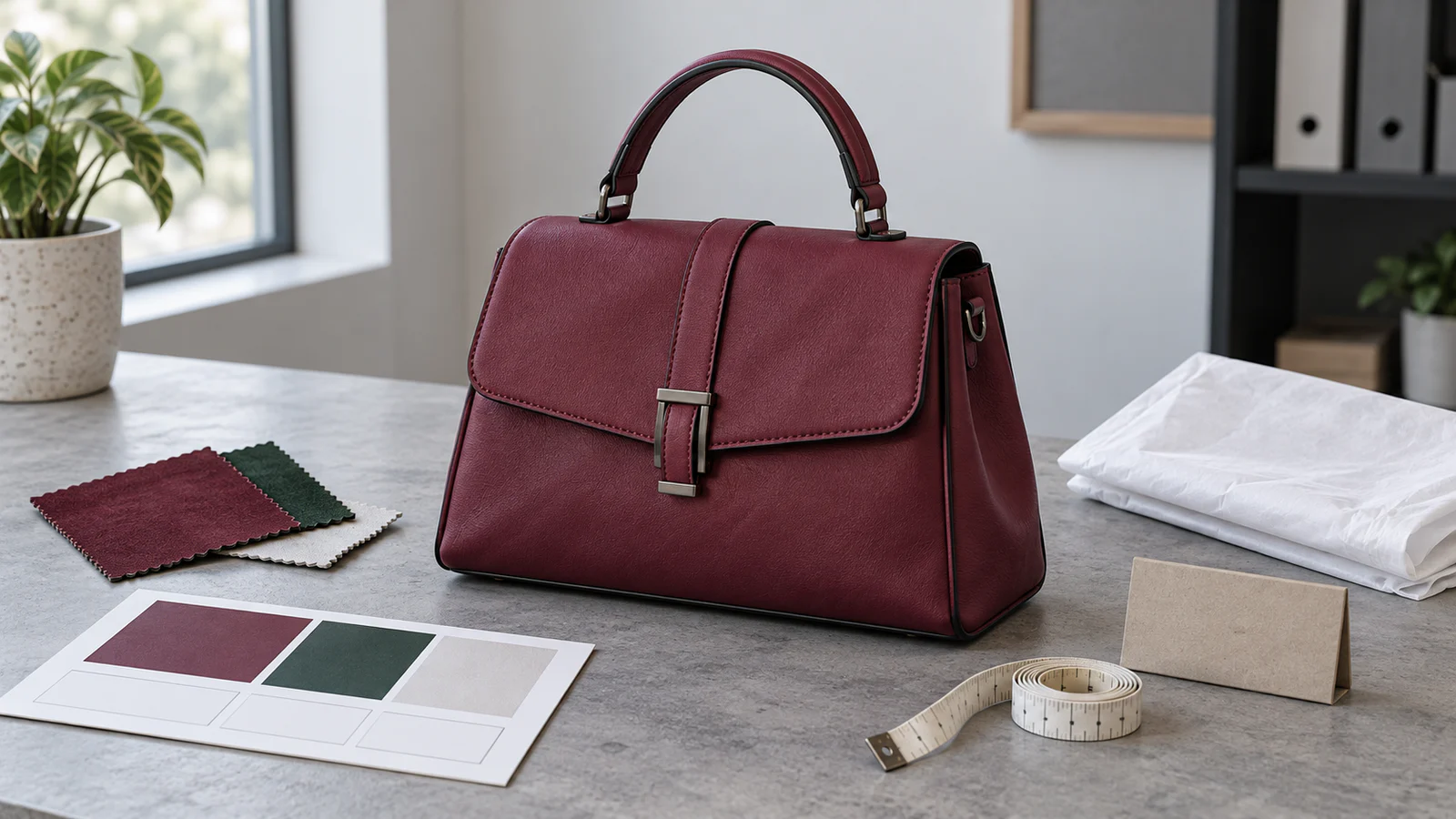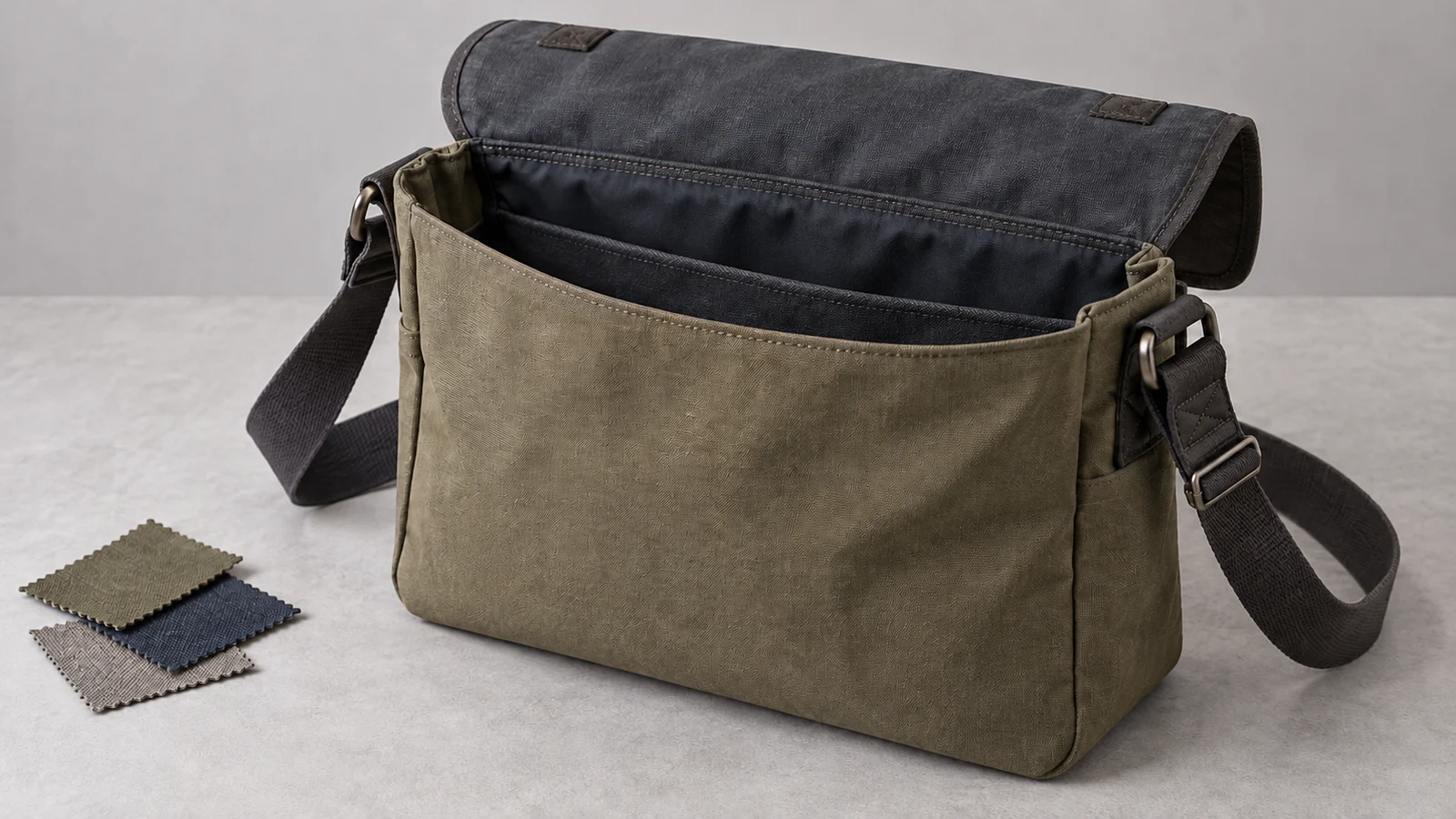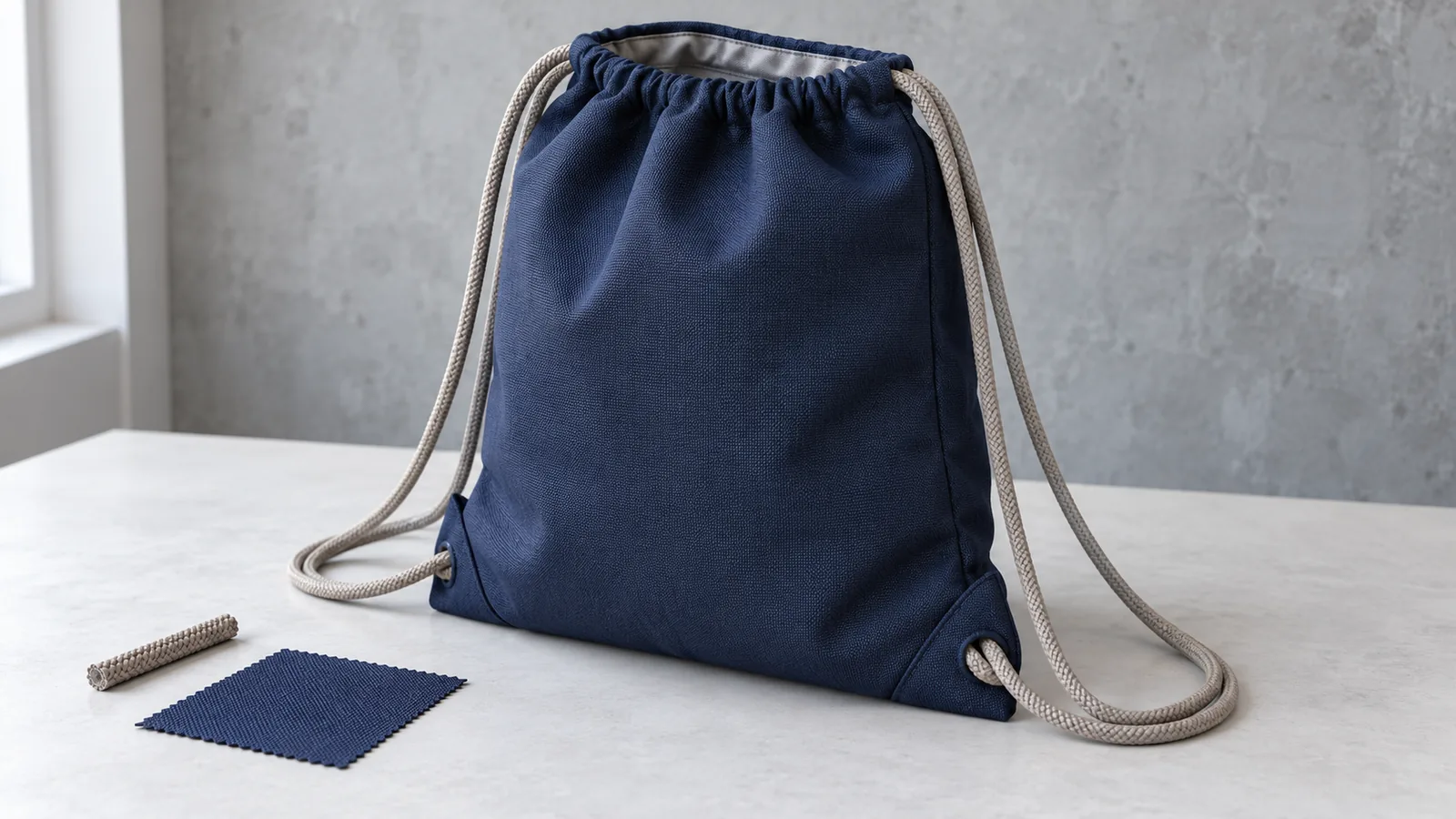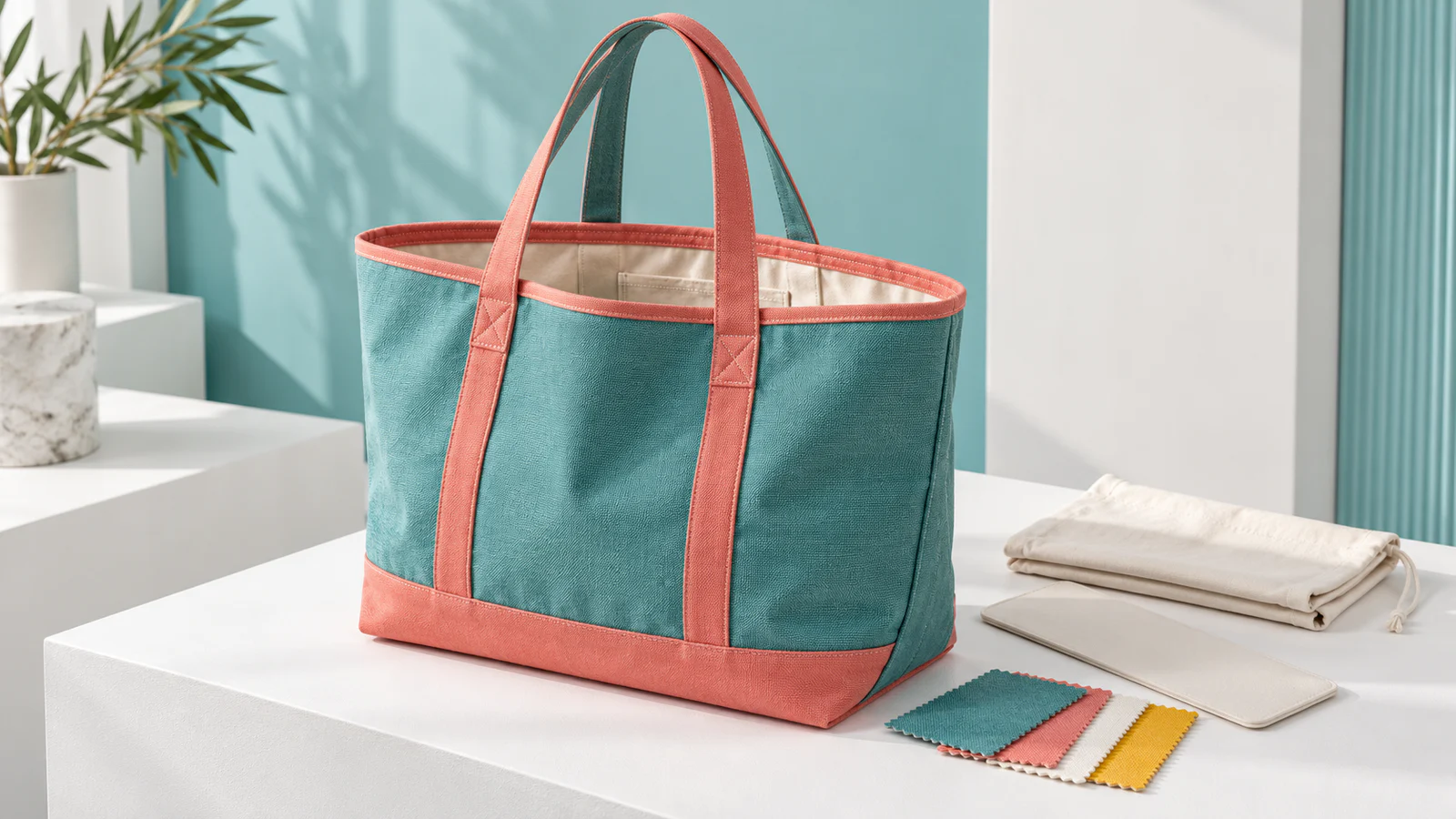
“Beach Tote” describes a seasonal use case, not a complete product specification. A reference image can start a discussion, but it cannot prove material identity, performance, stock availability or sample approval.
Comparable beach tote bags wholesale specifications should record the target silhouette and dimensions, material direction, opening and lining, handles and base, branding, quantity context, packing request and unresolved questions. Wet towels, sand, sunscreen, poolside use, travel, resort retail and promotional distribution are buyer scenarios. They do not automatically make a proposed bag waterproof, washable, stain-resistant or tested.
Choose the Assortment Role and Sourcing Route
Begin with the sales channel and seasonal role. A resort shop may need a different presentation and packing brief from a promotional program or boutique summer collection. State what the buyer expects the bag to do in observable terms, then separate required features from preferences.
Ready Stock means starting with an identified existing style. Use the wholesale Tote Bag collection to browse the format, then ask about the exact style's current availability, actual material, colors, permitted branding, packaging, quantity terms and sample or inspection options. A collection listing is not proof of Beach Tote stock.
Light customization keeps an existing structure while changing a limited set of confirmed elements. List proposed logo, color, material, lining, hardware or packing changes, and ask which are feasible without changing the underlying pattern.
Custom, OEM or ODM development translates a concept or reference into dimensions, material and construction proposals, branding, packing and a first-sample review record. Use handbag product development when the project cannot be defined by selecting an existing style.
A buyer may contact the factory while quantity is still being discussed. Provide an estimate, range or to be confirmed, plus the intended style/color plan. The route, material and customization scope still need project-specific commercial review.
Select a Material Direction Without Making a Performance Claim
Visible texture and verified composition are different facts. Describe the appearance, hand-feel and structure you want, then ask the supplier to identify the actual proposed material reference and sample basis. Body, trim, lining, reinforcement, handles and base may require separate fields.
Use this matrix to keep buyer direction, supplier confirmation and unsupported claims apart.
| Direction to discuss | What the buyer should provide | What the supplier must confirm | Do not assume |
|---|---|---|---|
| Canvas | Fabric reference, color, hand-feel and structure direction. | Actual fabric reference, proposed construction, finish and sample basis. | Washability, colorfastness, water resistance or one universal weight. |
| Nylon | Surface and hand-feel direction, color and intended structure. | Actual material reference, lining/support proposal and project-specific finish. | Waterproofing, quick drying, abrasion result or exact composition from appearance. |
| PU or vegan leather | Surface, flexibility, color and panel behavior desired. | Available composition/backing description and assembly proposal for this project. | Leather grade, heat/sun resistance, easy cleaning or environmental benefit. |
| Woven-looking or natural-fiber reference | Marked visual reference and areas where the effect is required. | Actual material identity, construction proposal and project support feasibility. | That a photo or title proves straw, raffia, hand weaving, stock or durability. |
The Canvas material direction and Nylon material direction pages can support an early material discussion. They do not establish the exact fabric, coating, weight, colorfastness or performance for a Beach Tote project.
If the buyer expects exposure to water, sand, oils, sunlight or cleaning, record the scenario as a requirement requiring evidence and project review. Do not convert the use case into an automatic material benefit or prescribe a test method without approved technical input.
Specify the Opening, Closure, Lining and Pocket Relationship
Open top, zipper, snap, tie and other closure directions are options for discussion, not a confirmed Christori menu. Mark the intended opening path and clear usable space after handles, top bands, lining, pockets and closure parts are assembled.
State whether lining is required, omitted or unresolved. An unlined construction needs an agreed interior finish; a lined construction needs a lining proposal, attachment direction and pocket plan. Either choice can affect body behavior, branding position and quote scope.
Add a valuables pocket, key attachment, bottle zone or wet-item separation only when the buyer requests it and the supplier confirms feasibility. Show each requested zone on an interior view. Ask whether the pocket shares space with the main body and whether its contents interfere with access or closure.
Representative contents should be selected by the buyer for sample review. Observe access, closure alignment, lining behavior and pocket interference before and after loading them. Do not infer capacity or promise protection from a photograph of a full bag.
Coordinate Handles, Attachment Zones, Body and Base
Specify handle type and material direction, width and drop measurement points, attachment locations and intended carry mode. Keep the visible attachment direction distinct from the supplier's proposed internal reinforcement, which remains project-specific.
Check whether the handles obstruct the opening, cover the branding area or complicate the proposed packing orientation. On the first sample, operate the closure while the handles rest in their intended positions and note any interference.
Describe side and gusset behavior. Should the body rest relaxed, stand more defined, fold, or pack flat? State the intended visual result and measuring condition without assuming one construction method.
Define the base as soft, supported, locally reinforced or unresolved. Optional feet require separate confirmation. Observe corner alignment, resting shape and base behavior on the sample, but do not publish a handle load, stitch count, carrying comfort, abrasion result, water result or durability cycle.
Align Branding, Seasonal Colors and Packing With the Structure
Provide artwork, position, target size, color and method direction. Review the proposal on the actual material and construction: a logo approved on one sample does not automatically transfer to a replacement material or revised panel.
For seasonal color planning, list the quantity estimate by style and color where known. If quantities remain open, mark them to be confirmed and explain the launch context. That is enough to begin a route discussion; it does not confirm MOQ, price, stock or production timing.
Separate unit packing, retail presentation and transit protection. The packing brief should identify handle position, body folding or stuffing direction, surface-contact material, hardware separation, shape-sensitive areas, retail components, carton marks and unresolved choices.
Review the proposed arrangement on a physical sample and inspect the unpacked body and handles. Do not call packaging eco-friendly, plastic-free, recyclable, moisture-proof or shape-preserving without an approved specification and evidence.
For existing styles, ready-stock handbag sourcing requires current item-level confirmation. A custom packing or branding idea should not be presented as available on every stock style.
Prepare a Comparable Beach Tote RFQ and Inspect the First Sample
A Beach Tote RFQ should identify one dated version and distinguish confirmed, supplier option requested and unresolved details. The following seven-row checklist ties the quotation inputs to observable first-sample checks.
| RFQ field | Buyer input | Supplier confirmation / first-sample check |
|---|---|---|
| Reference and route | Dated image, sketch or sample; Ready Stock, light customization or development preference. | Exact reference/version and deviations used for quotation. |
| Dimensions and silhouette | Width, height and depth with units, measurement points and intended body behavior. | Quoted dimensions and observable sample shape under the agreed condition. |
| Material system | Body, trim, lining, support and base directions; known versus unresolved. | Actual proposed references, substitutions and sample basis. |
| Opening and interior | Opening path, closure, lining and requested pocket zones. | Clear access, closure alignment and pocket interference on the sample. |
| Handles and base | Handle type/drop points, attachment zones, carry direction and base behavior. | Placement, opening interference, resting shape and proposed construction. |
| Branding and quantity | Artwork, method direction, colors and estimated quantity per style/color. | Feasibility assumptions, quantity basis and unresolved options. |
| Packing and approval | Unit, retail and transit requirements, destination and open questions. | Sample packing arrangement, inclusions/exclusions and next approval version. |
When the sample arrives, first confirm its version and supplier-confirmed material proposal. Measure it at the agreed points. Operate the opening and closure using the representative contents selected by the buyer.
Observe the lining and pockets, handle placement, body and base behavior. Review branding appearance and the packing arrangement. Record required corrections, optional alternatives, unresolved evidence and the next version with photographs and marked measurement points.
This is a first-sample review, not performance testing. Anything not observed or supported remains not tested or unresolved rather than becoming a product claim.
Frequently Asked Questions
Is every Beach Tote made from straw or raffia?
No. Beach Tote is a use-case label, and a woven-looking photo or title does not prove composition. Ask for the actual proposed material identity and construction, then review the project-specific sample.
Can a reference photo produce a comparable quotation?
It can start the conversation, but suppliers still need dimensions, material direction, opening, handle/base, branding, quantity and packing assumptions. Ask each supplier to identify deviations and unresolved options.
Should a Beach Tote be lined or unlined?
There is no universal answer. Specify the intended interior finish and pockets, then compare how each proposal changes structure, access, branding and quote scope.
Can a buyer inquire before the quantity is final?
Yes. Provide an estimate, target range or to be confirmed, plus the style/color plan and sourcing route. Commercial terms still require project review.
Share a Defined Beach Tote Project
Share the Beach Tote silhouette, dimensions, material direction, opening, handle and base notes, branding artwork, quantity estimate and packing questions. Christori can review whether the project is better suited to an identified Ready Stock style, limited customization, or custom development before quotation.