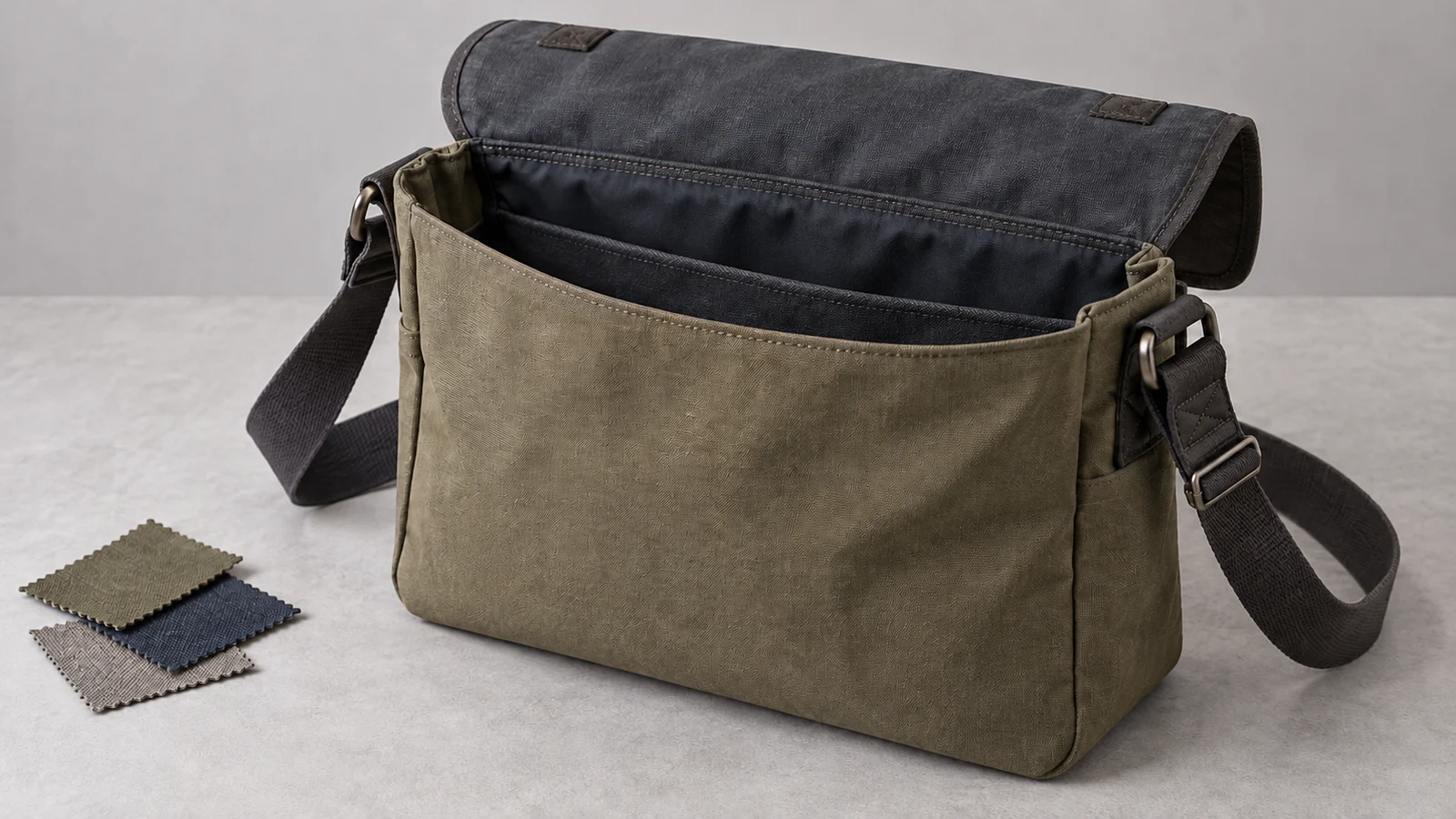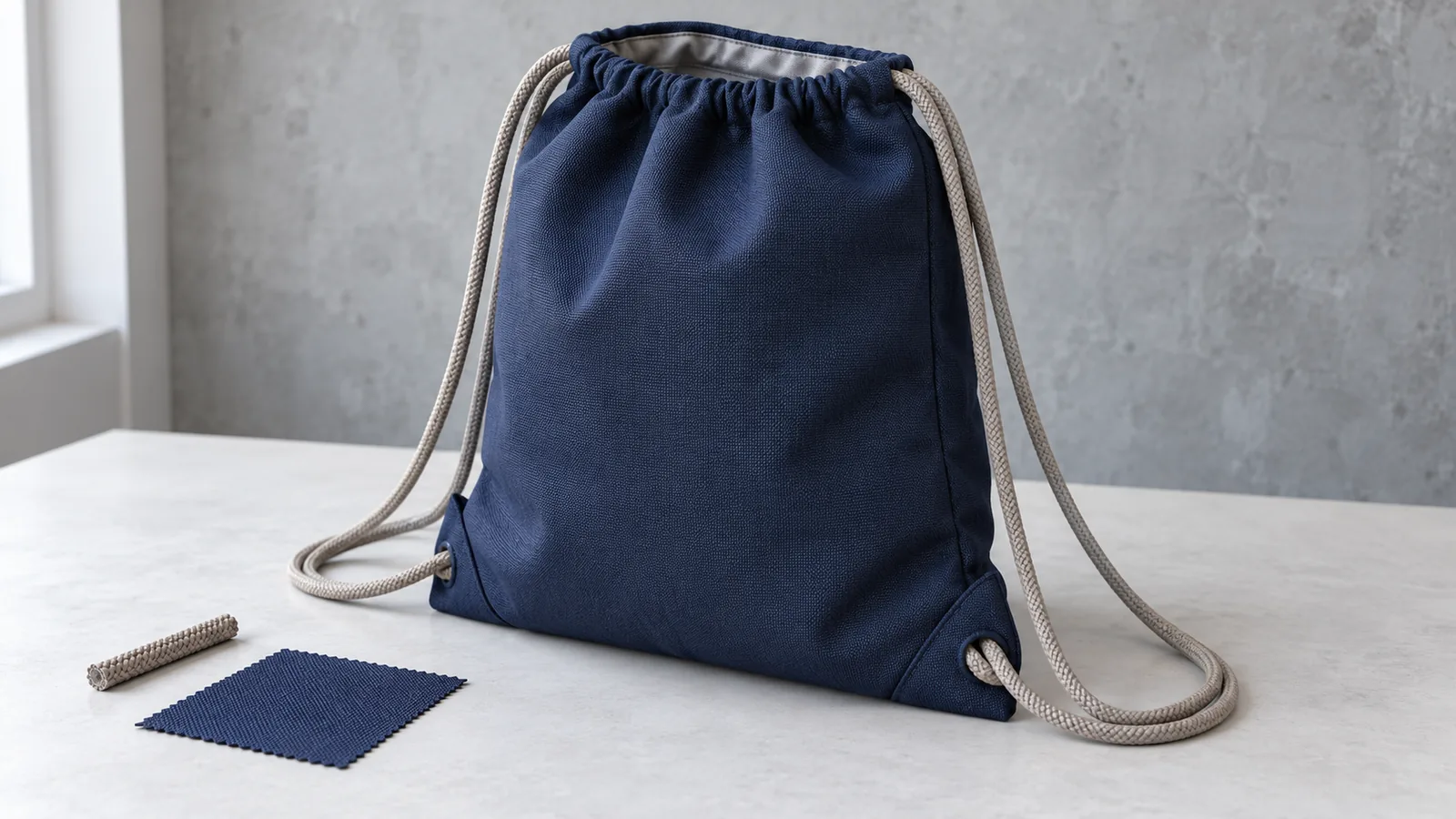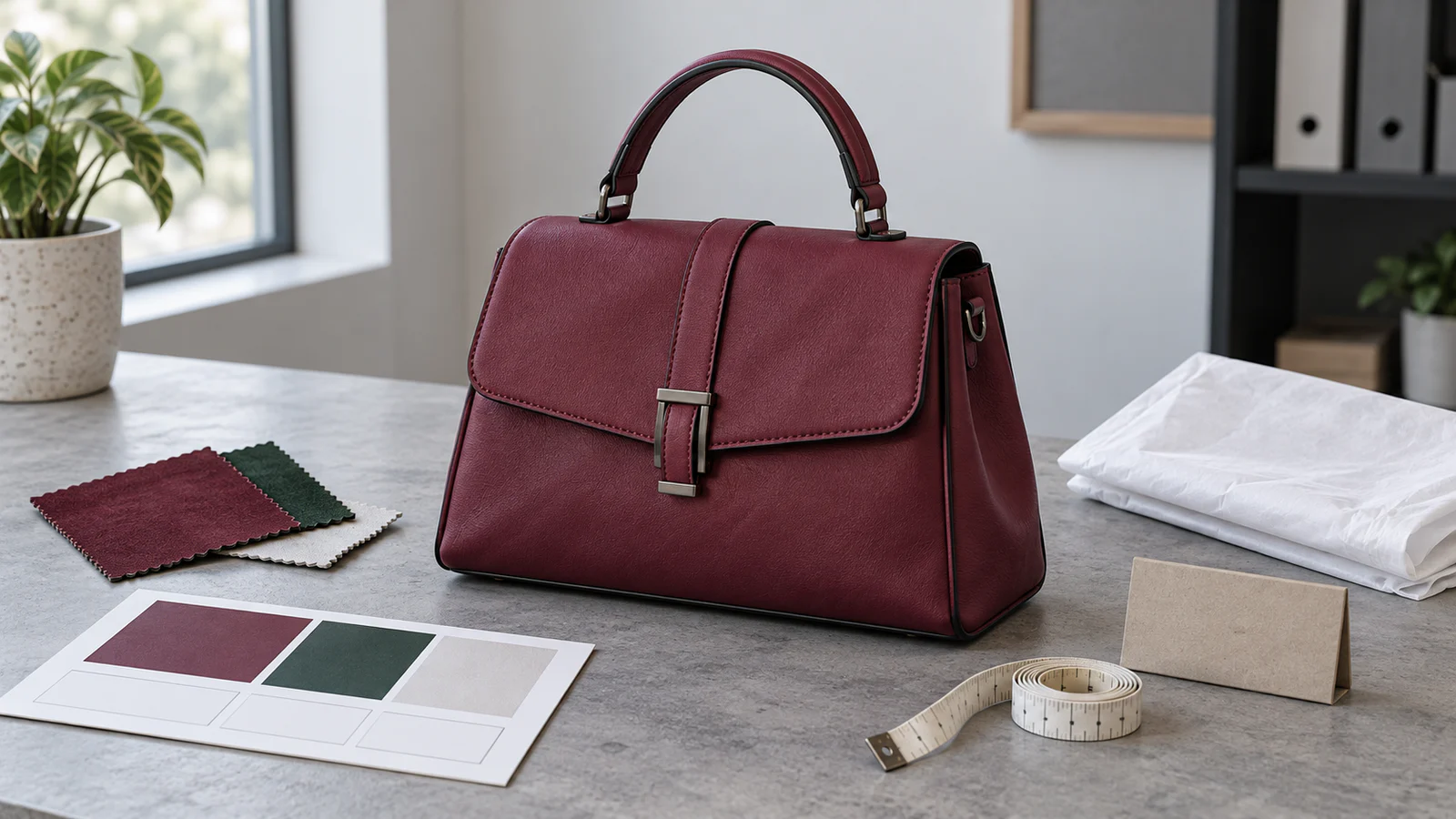
A repeat order should not begin with “same as last time.” Ready Stock availability, color quantities, components, packaging and permitted changes can require fresh confirmation even when the buyer uses the same style reference. The previous sample or purchase order is evidence of an earlier version, not proof of the current item or stock position.
A useful ready stock handbag reorder checklist ties the buyer's style reference and SKU map to current supplier confirmation. It records quantities by color, version differences, branding and packing requirements, QC scope, shipping assumptions and unresolved items before a PO is treated as final. That creates a reviewable restock request without assuming inventory, MOQ, timing or consolidation terms.
Treat Every Reorder as a New Confirmation Point
Start with the selected item, not a category name or old screenshot. Send the supplier's style code if one exists, the buyer's internal SKU, dated photographs, the previous PO or sample reference and the date of the last approval. If the reference has been renamed in the buyer's system, show the mapping rather than expecting both parties to recognize it.
The Ready Stock handbag service explains the sourcing route, while the Ready Stock collection can help identify a current style direction. Neither page confirms item-level availability, version, color quantity or change options. Those require a current project response.
Separate three decisions:
- Repeat the current confirmed item: the supplier must still reconfirm the exact reference, quantities and commercial assumptions.
- Reorder with permitted branding or packing changes: the base item remains identified, but the change and its effect on quantity, handling and approval must be reviewed.
- Request a construction, material or component change: this may no longer be a straightforward Ready Stock reorder. Ask whether it requires a different existing style or product development review.
If the buyer has not yet chosen between an existing item and a new specification, use the Ready Stock versus Custom sourcing guide first. This article starts after an existing style has already been selected.
Reconfirm the Exact Style, SKU, Colors and Quantities
Do not rely on the buyer's product name alone. Two parties may use the same name for different colors or revisions, while one supplier code may cover variants the buyer sells as separate SKUs. Put the supplier style reference, buyer SKU and color reference on the same sheet.
List requested quantity by style and color. If the number is still being finalized, mark it estimated, provide a range or use to be confirmed. That is enough to request a current review; it does not establish availability, allocation, MOQ, price or lead time.
Color names such as black, tan, wine or olive are not complete controls. Attach the current item photograph, swatch or approved color reference and ask the supplier to confirm which reference the response covers. If the color is unavailable or differs from the old sample, keep the replacement proposal separate until the buyer approves it.
Use a dated table like this so every answer has an owner and status:
| Confirmation field | Buyer provides | Supplier confirms | Status to record |
|---|---|---|---|
| Style identity | Supplier code, buyer SKU, dated images and previous PO/sample reference. | Exact current item or a clearly identified alternative. | Confirmed, alternative proposed or unresolved. |
| Color and quantity | Requested units by style/color, or estimate/range/to be confirmed. | Current review result for each line, without combining colors silently. | Confirmed quantity basis or buyer decision required. |
| Version | Last approved sample/order date and details that must remain consistent. | Known differences in material, lining, hardware, dimensions or construction. | Same reference, changed reference or comparison pending. |
| Branding | Artwork version, method, size, position and color direction. | Whether the identified item supports the requested change. | Approved, sample/review required or not available. |
| Packing | Unit, retail and carton requirements plus destination information. | Proposed inclusions, exclusions and any change from the earlier order. | Confirmed, revised proposal or unresolved. |
| Commercial handoff | Billing/shipping entity, destination and requested quotation basis. | Project-specific price, MOQ, timing, reservation and shipping assumptions. | Dated quotation/PI version or open item. |
Do not turn “available” into a permanent status. Record the date of the supplier response and identify what still needs buyer approval. If the buyer later changes the color split, logo or packing, ask for a revised confirmation rather than attaching the old answer to a new scope.
Compare the Current Version With the Old Sample or Order
For ready stock handbags for boutiques, consistency matters because a reorder may appear beside the earlier delivery in the same shop or online catalog. The comparison should be specific enough to identify meaningful differences without claiming that every unit will be identical.
Prepare a side-by-side record of the previous approved reference and the currently proposed item. Include overall dimensions and measuring points, body and trim material descriptions supplied for each version, lining color, pocket layout, hardware appearance, strap or handle details, closure, logo application and unit packing.
Use photographs of the whole bag before close-ups. Mark the front, back, sides, base, open interior and key component locations. A hardware close-up without its position can be difficult to compare; a color photograph without controlled reference may not settle a color decision.
Classify differences as:
- Accepted current variation: the buyer has reviewed and accepted the current proposal.
- Requires clarification: the supplier must identify the actual current component or construction.
- Requires a sample or physical comparison: photographs and descriptions are not enough for the buyer's decision.
- Not tested or not confirmed: no evidence supports a conclusion yet.
An old sample should remain traceable, but it should not be described as a permanent production standard unless both parties have formally agreed how the current item will be compared with it.
Separate Logo and Packaging Changes From the Base Item
A reorder can stop being “same item, same scope” when the buyer changes artwork, logo method, hangtag, label, dust bag, protective material, barcode data or carton mark. Send the exact current files and retire outdated versions clearly.
For logo work, provide the artwork version, target size, location, color and method direction. Ask whether the identified Ready Stock style can support that request and what approval step is needed. A logo option on one style does not prove that every current item accepts the same method.
For packaging, separate unit protection, retail presentation and transit packing. The custom handbag packaging service can frame available project discussions, while the private-label branding guide helps organize artwork and RFQ inputs. Neither link confirms that a requested component can be added to a specific Ready Stock item.
Record who supplies each file or component, what is included in the quotation, and whether a new physical or digital approval is required. Do not assume the previous packaging price, material, carton arrangement or lead time still applies.
Define the Ready Stock Handbag QC Scope
Ready stock handbag QC begins with the reference and scope, not a generic request to “check quality.” State which style, version, colors and quantity lines are covered, when the review occurs, what records are expected and how exceptions should be reported.
For a practical wholesale handbag restock checklist, consider these observable areas:
- Style/SKU and color assortment against the current confirmed order sheet.
- Overall appearance and the specific visible details approved for the current version.
- Agreed measurement points and how the bag is positioned for measurement.
- Opening, closure, zipper, snap, strap, handle and pocket operation where relevant.
- Logo, label, hangtag and other requested brand components.
- Unit packing, accessories and carton assortment against the approved packing instruction.
- Photographs of exceptions with style/color reference and quantity context.
Do not add test methods, pass rates, sampling levels or durability conclusions unless they are separately specified and supported. A visual or functional inspection is not proof of material performance, load capacity, waterproofing, colorfastness or long-term use.
Use a current approved sample, confirmed product reference or agreed inspection document as the basis. If the current stock version differs from the old sample, decide which reference governs each check before inspection begins.
Confirm Packing and Shipping Assumptions Before the PO
Packing affects quantity counts, labeling, presentation and shipping calculations, so it should not be left to “same as before.” Send the current unit-packing request, retail components, color/SKU assortment, carton marks, destination and any handling constraint that the supplier must review.
Ask the supplier to state what the quotation includes and excludes. Confirm whether requested labels, hangtags, protective materials or carton information are feasible for the identified item. If the buyer supplies barcode or compliance text, verify the correct file and placement without asking the factory to invent it.
Shipping discussions should identify the destination, requested trade or freight basis, consignee information and any deadline context. The supplier still needs to confirm the actual quotation basis and timing. This checklist does not promise a shipping method, consolidation option, carton specification or delivery date.
Do not treat provisional carton quantities, dimensions or weights as final. Ask for the appropriate project-stage confirmation and update the order record when packing or SKU quantities change.
Build a Reorder-to-PO Approval Record
Before releasing a PO or payment instruction, connect the current supplier answer to one dated buyer approval. The table below keeps QC and packing decisions tied to the actual reorder scope.
| Approval area | Record before PO | Review or inspection evidence | Do not assume |
|---|---|---|---|
| Item and version | Supplier style, buyer SKU, color and dated current reference. | Whole-item photos and recorded differences from the old approval. | An old PO proves the current version. |
| Quantity lines | Units by style/color and any quantity still estimated. | Current supplier confirmation tied to the same list. | Earlier availability remains reserved. |
| Measurements and operation | Required points and relevant opening/closure/carry checks. | Agreed observations or inspection records for this scope. | Exterior size proves usable interior or fit. |
| Branding | Final artwork version, method, size, position and color. | Approved representation or sample, as project requires. | An earlier logo file is still current. |
| Unit and retail packing | Included components, placement and SKU/color identification. | Approved packing reference and exception photos if needed. | Previous packing remains available or unchanged. |
| Carton and shipping basis | Destination, marks and requested quotation/freight basis. | Supplier-confirmed inclusions and project-stage packing data. | Provisional dimensions, weight or timing are final. |
| Open items and approval | Owner, due response and version for every unresolved point. | One dated buyer approval linked to the final quotation/PI. | Silence means acceptance. |
The buyer's approval record should name the quotation or PI version it covers. If a quantity split, component, artwork or packing requirement changes afterward, revise the affected line and obtain a new confirmation instead of relying on an approval from the earlier scope.
The first-time handbag ordering guide covers the broader purchase process. A reorder is narrower: it protects item identity, current availability assumptions and version control after a style has already been selected.
Frequently Asked Questions
Does a previous Ready Stock order confirm that the same item is available now?
No. Send the exact style, SKU, colors and requested quantities for a dated current review. The old order remains a reference, not an inventory confirmation.
Can I ask for a reorder quote before every quantity is final?
Yes. Provide the best estimate, range or to be confirmed by style and color. The supplier can identify missing inputs, but availability, MOQ, price and timing remain project-specific.
Should I use the old sample or request a new one?
Use the old sample as a traceable comparison. If the current material, color, component, logo or packing cannot be approved from reliable current evidence, ask what sample or physical review is appropriate before final approval.
Can I change the logo or packaging on a Ready Stock reorder?
Ask about the identified style and the exact change. Feasibility is not automatic, and a branding or packing change may need revised quantity, cost, timing or approval information.
Send a Reorder Reference for Current Review
Send the selected style reference, buyer SKU, color quantities, previous PO or sample version, current branding files and packing request. Christori can review the current Ready Stock route and identify which availability, version, QC and commercial points still need confirmation.