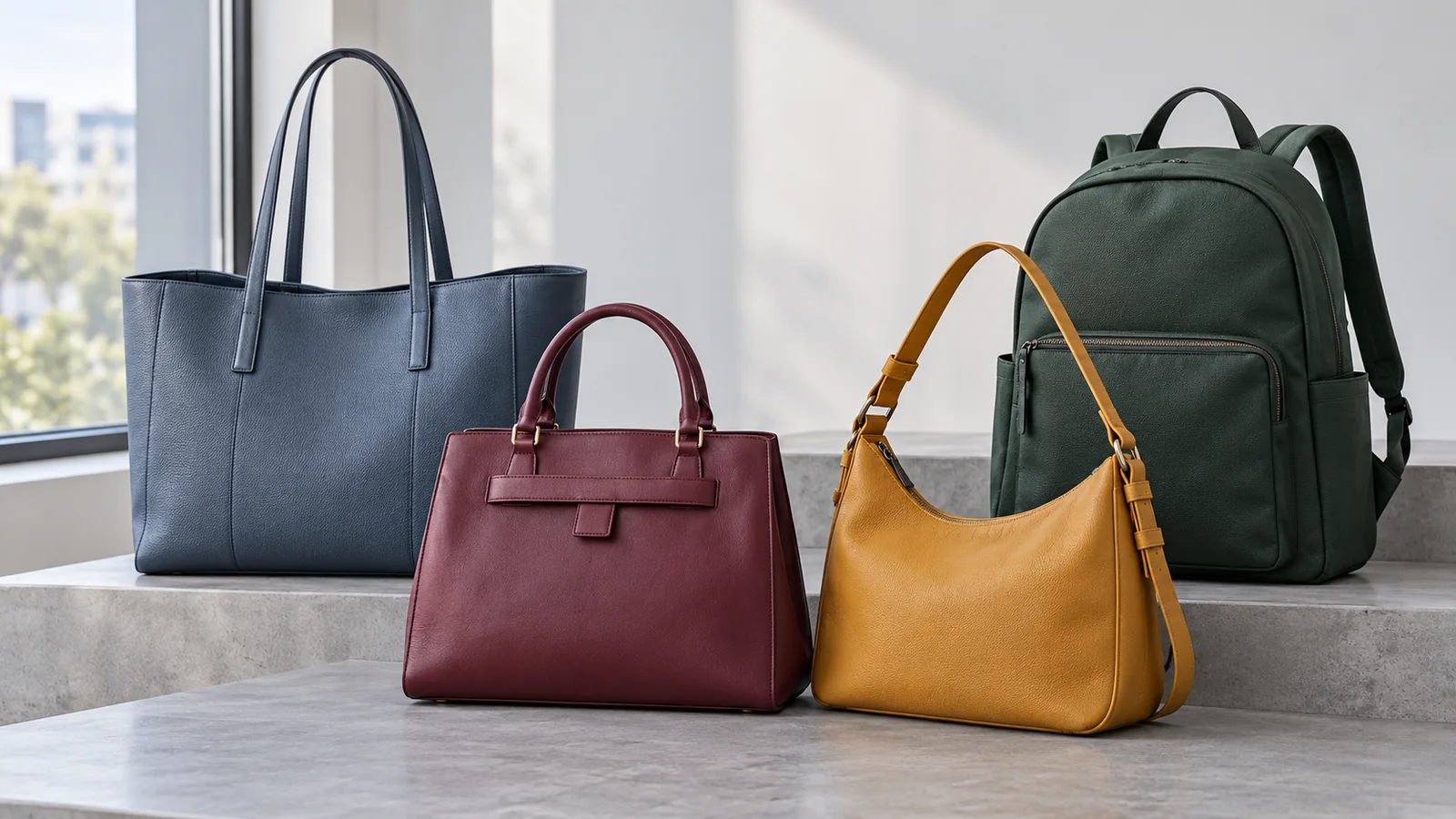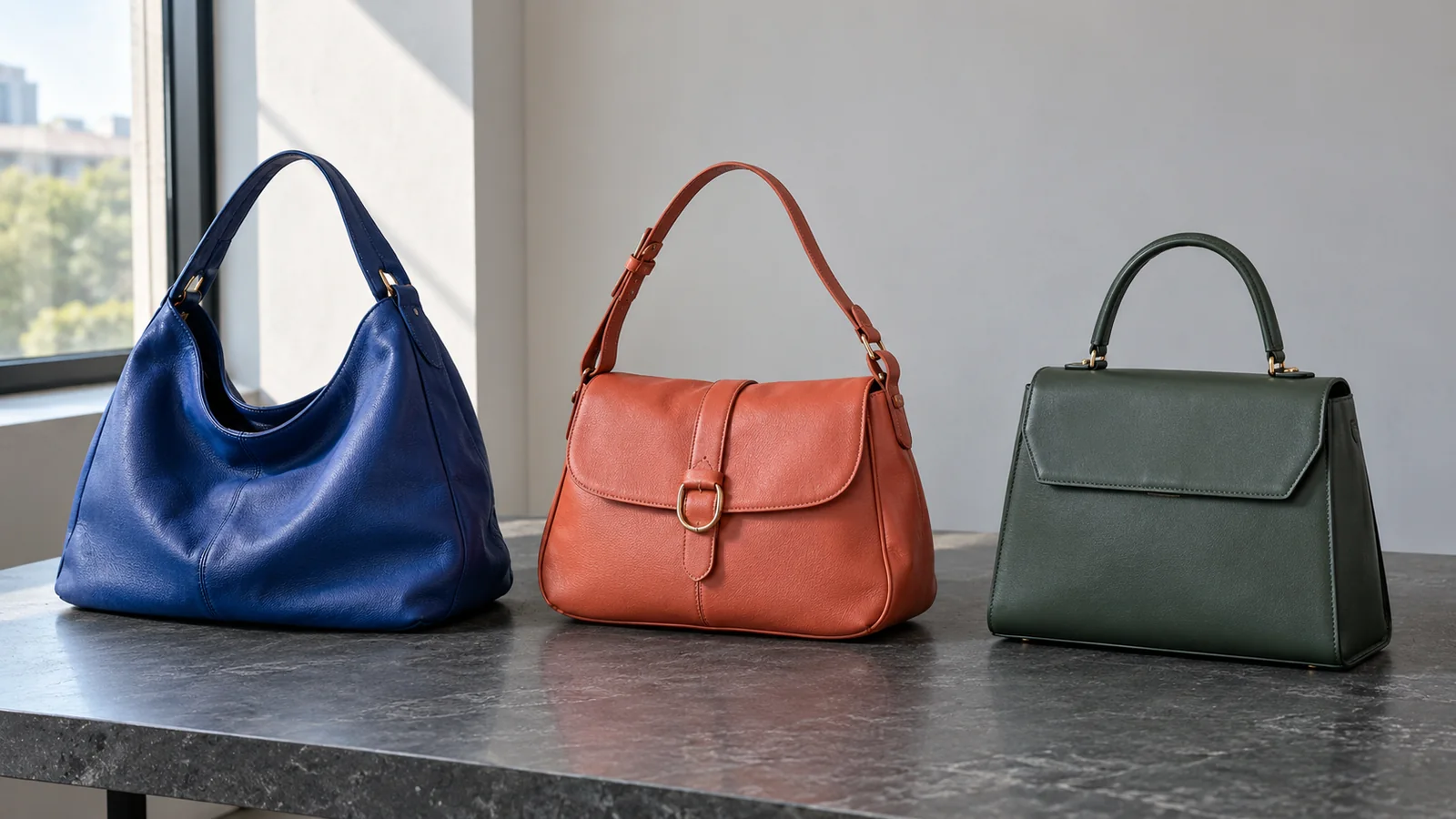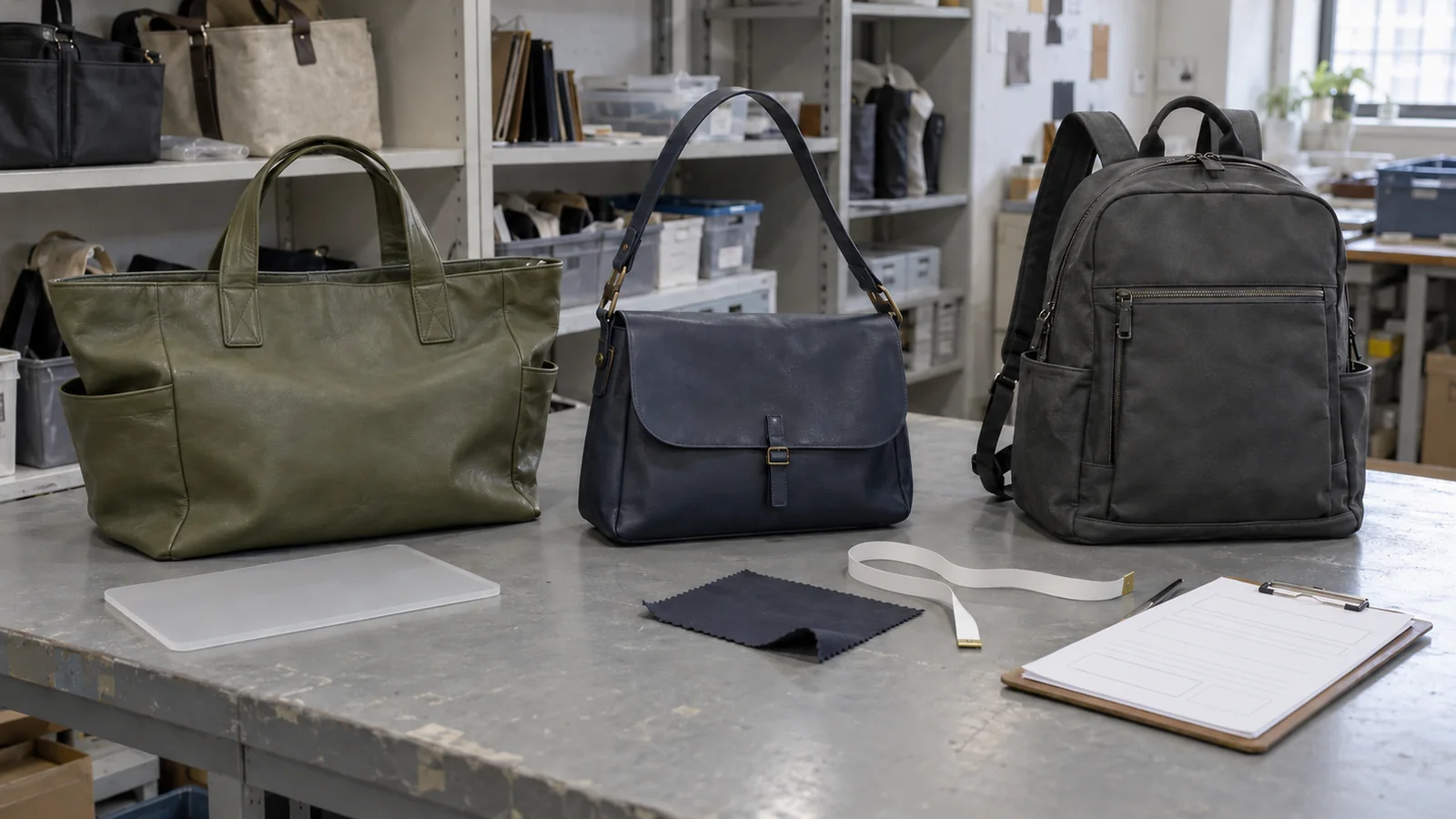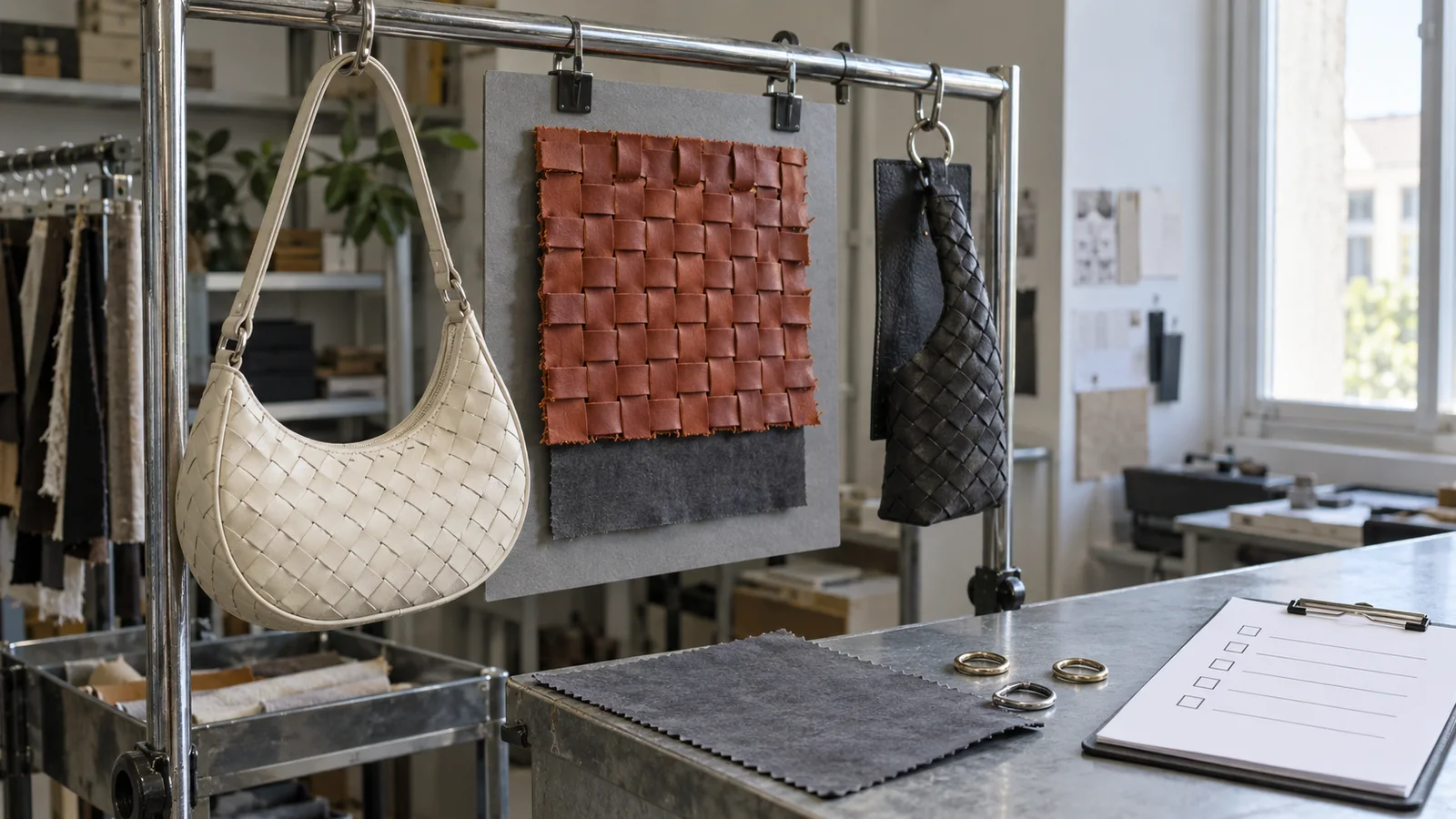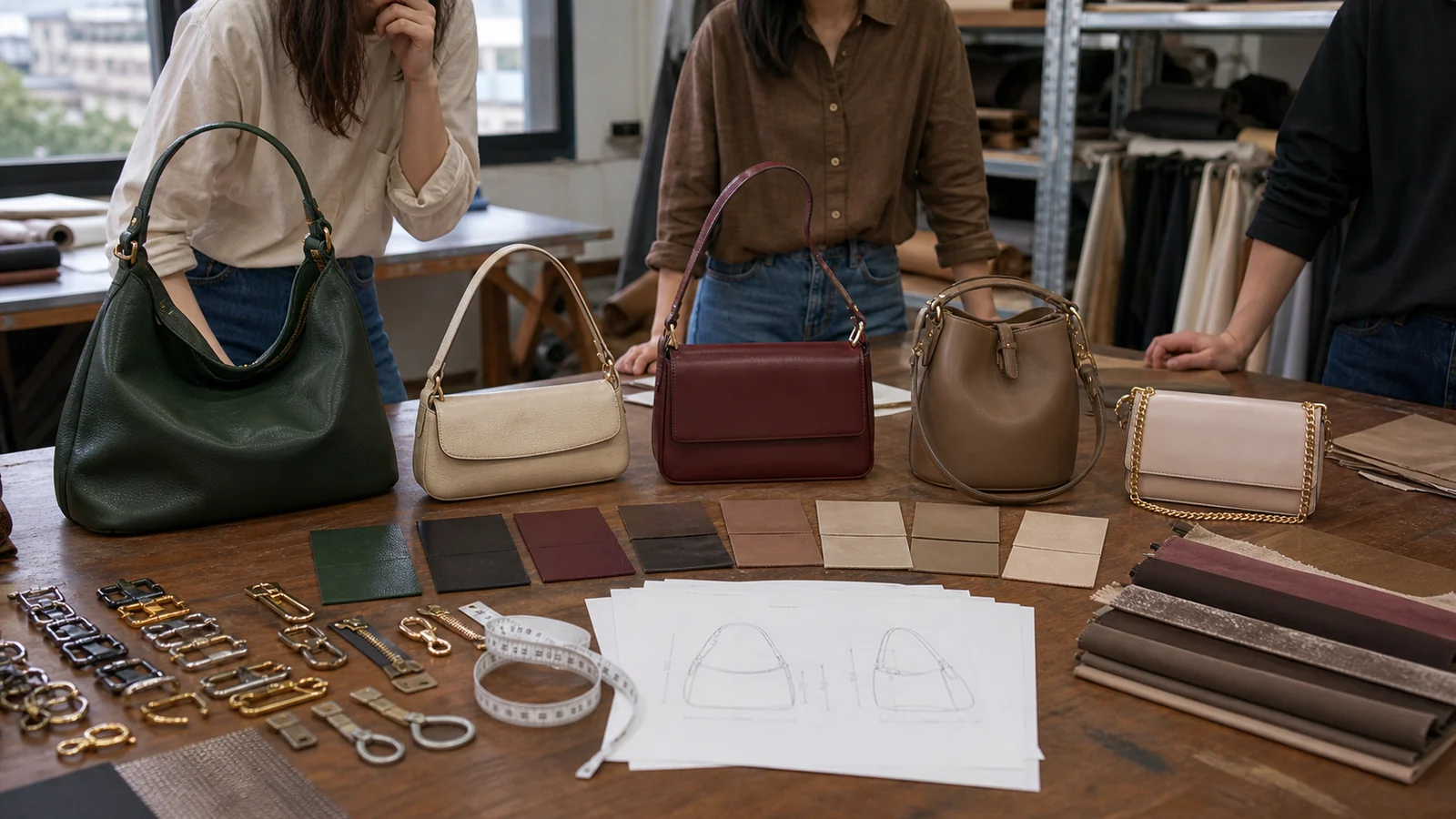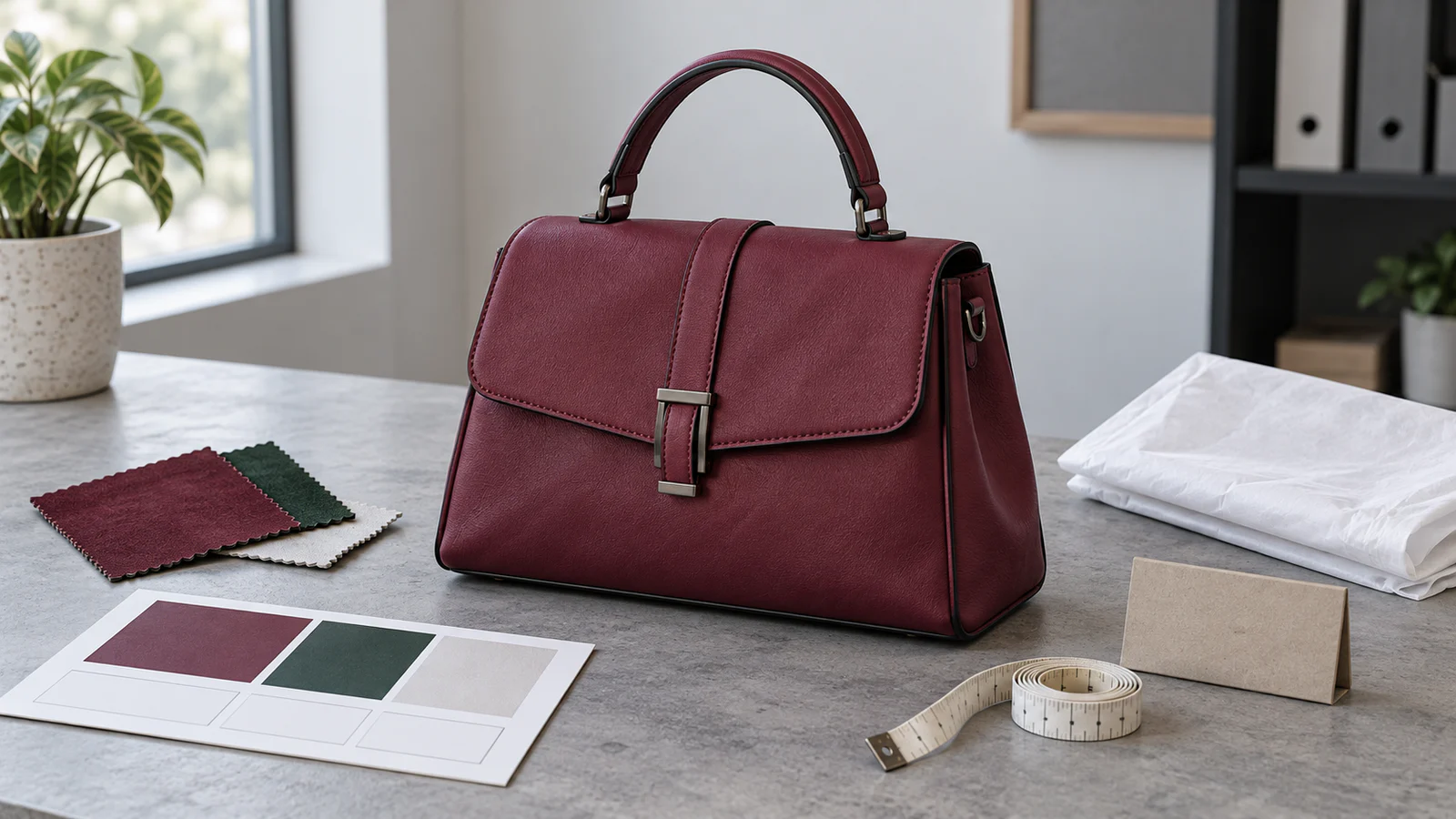
Ready Stock Handbag Reorder Checklist: Availability, SKU Consistency, QC and Packing
A buyer-side checklist for reconfirming current Ready Stock availability, SKU versions, color quantities, QC scope, branding and packing before a reorder.
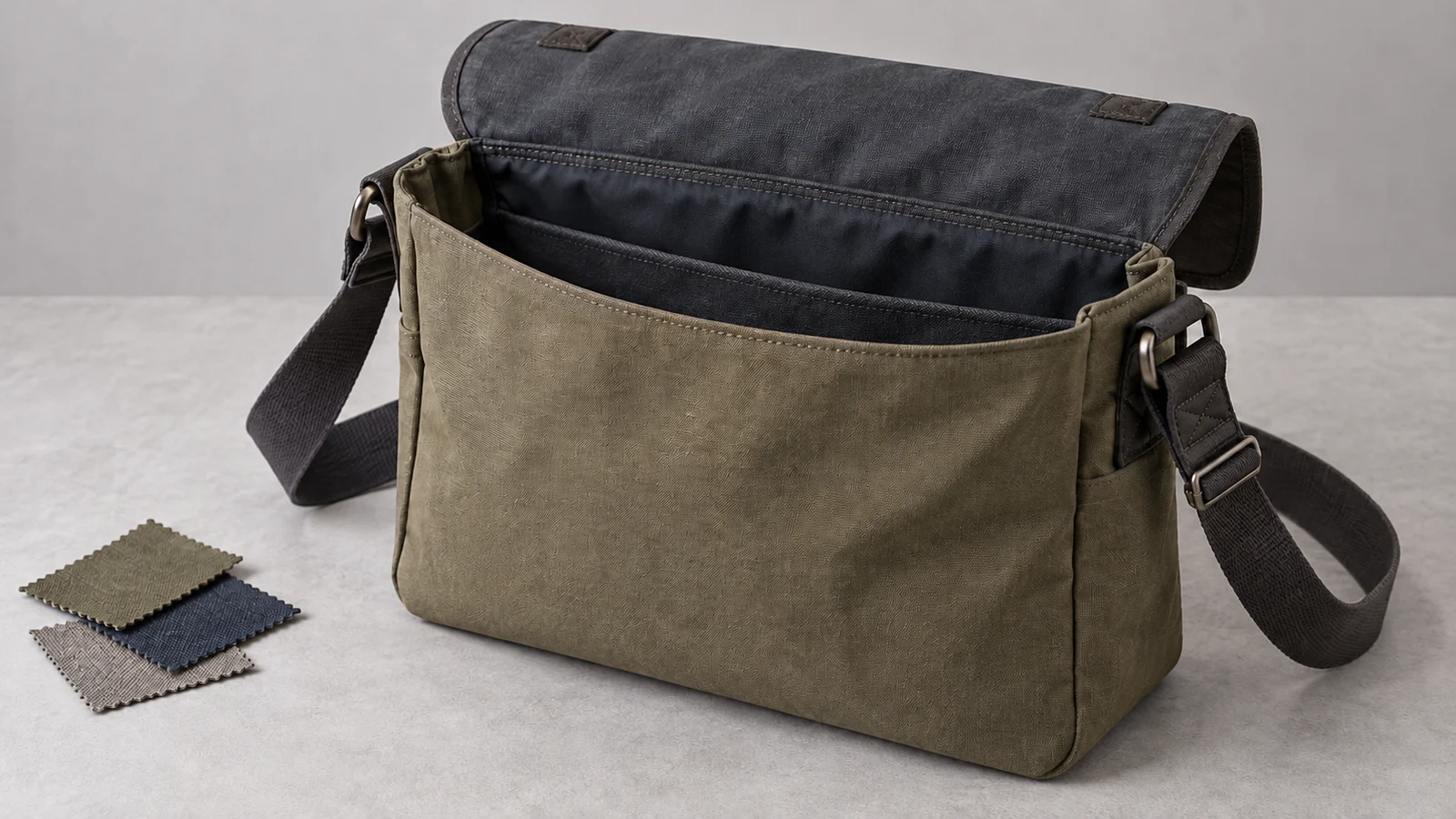
Practical sourcing advice for choosing handbag factories, MOQ, pricing, lead time and supplier communication.
A buyer-side checklist for reconfirming current Ready Stock availability, SKU versions, color quantities, QC scope, branding and packing before a reorder.
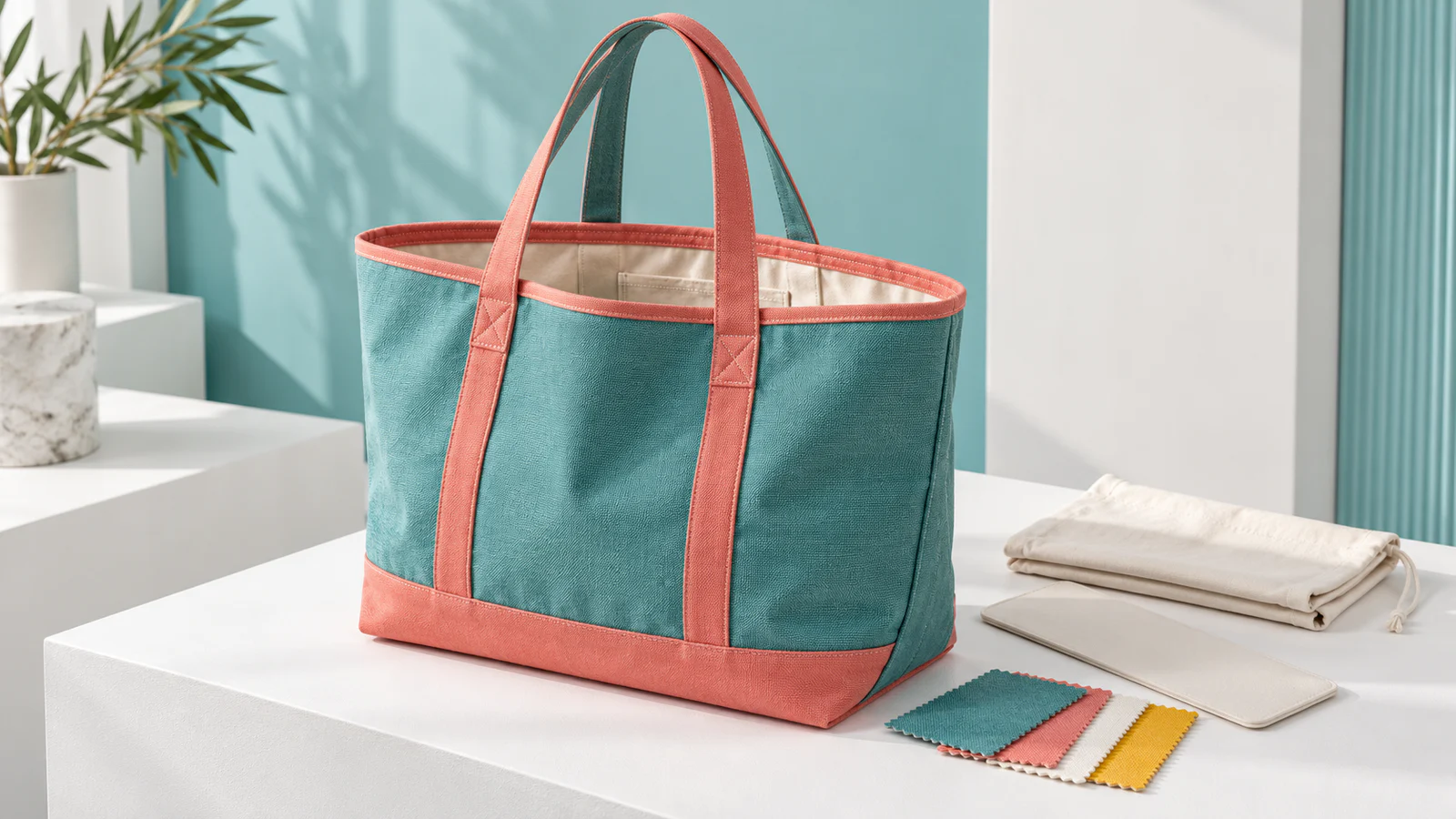
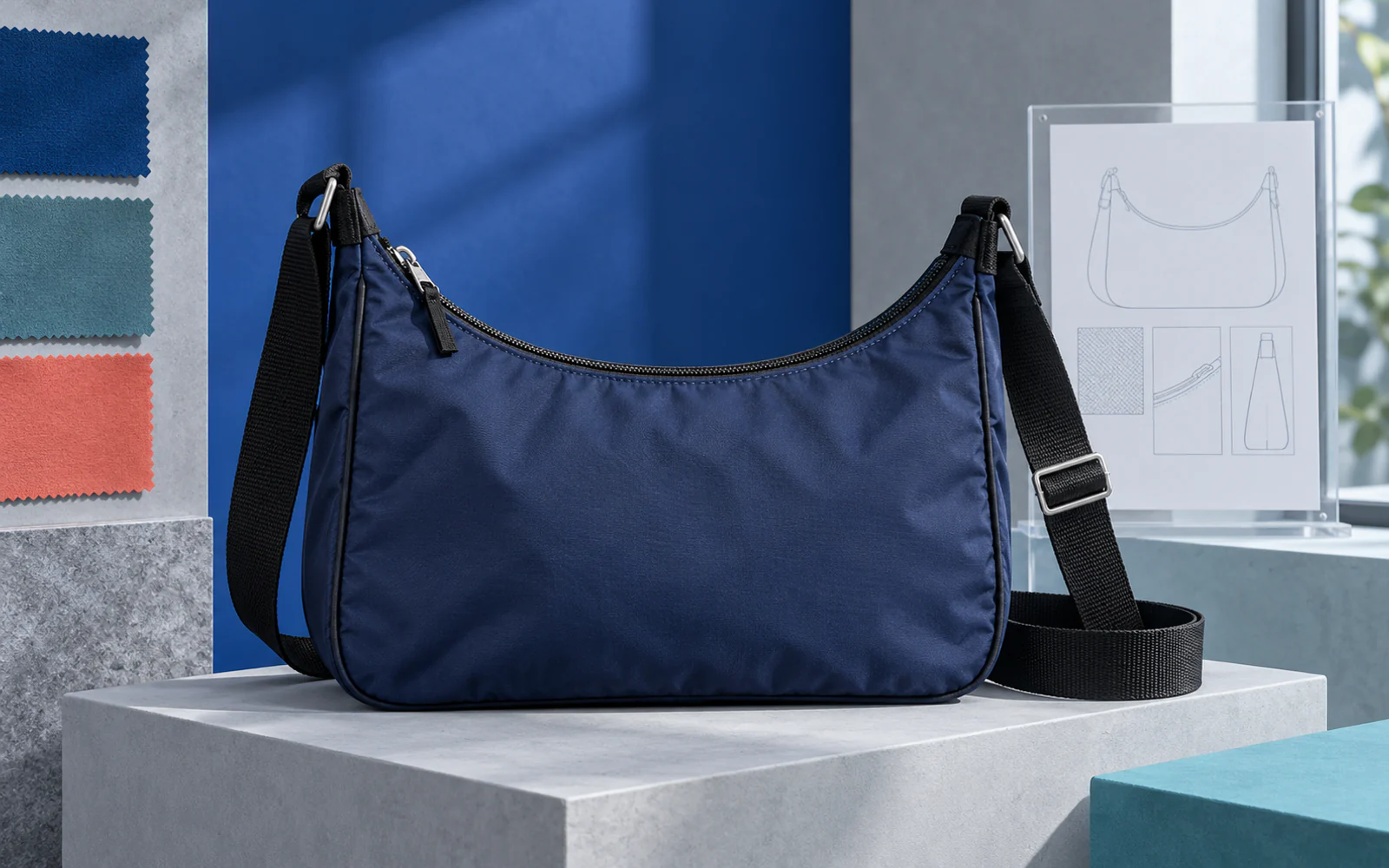
A buyer-side guide to defining Canvas Messenger bag flaps, openings, strap attachments, compartments, edge construction and base support before quotation.
A buyer-side guide to defining material direction, access, handles, base, lining and packing for a reviewable beach-tote quotation and first sample.
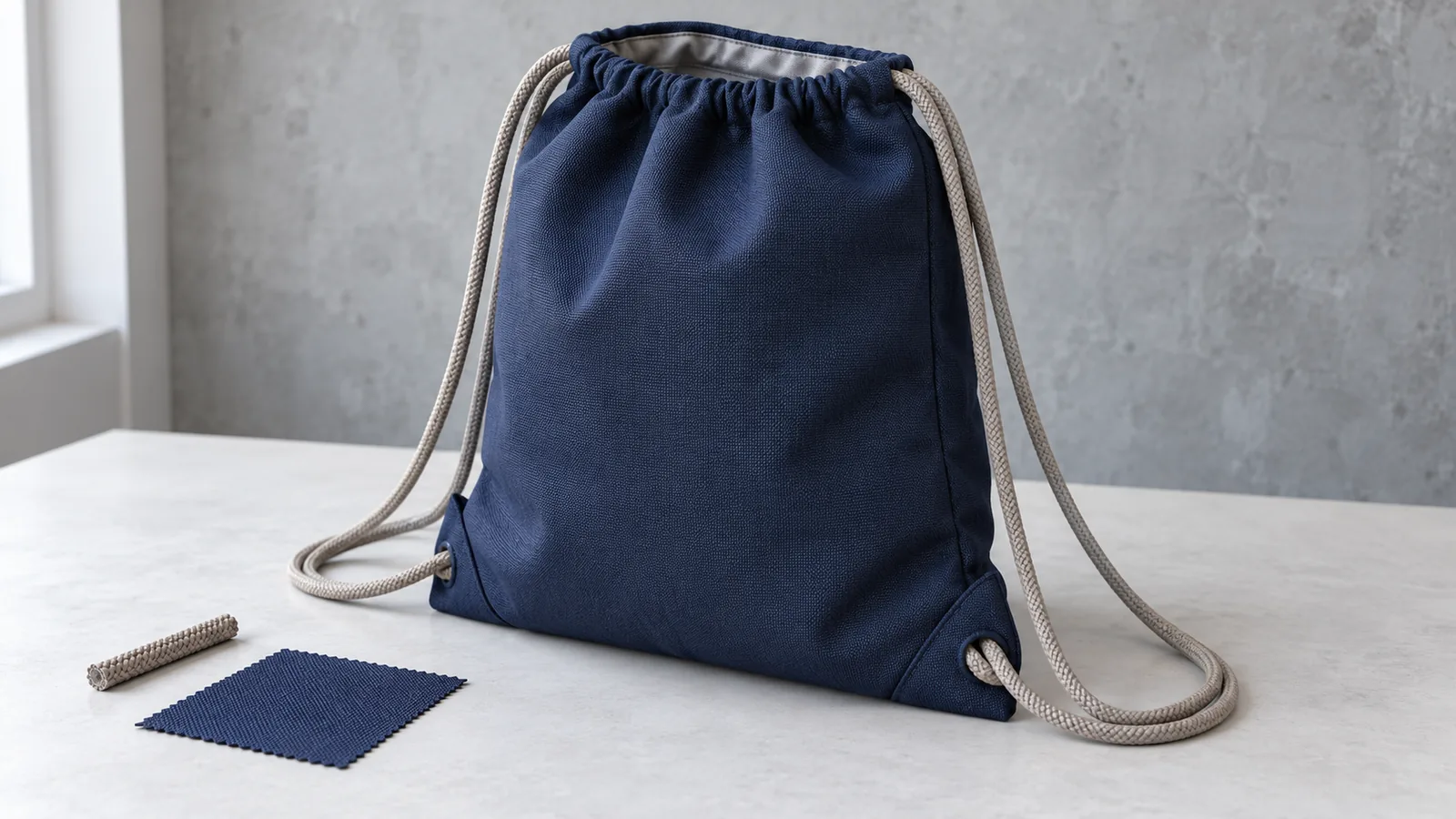
A B2B guide to specifying drawstring backpack cord channels, exit points, shoulder routes, lining, lower corners and sample approval details.
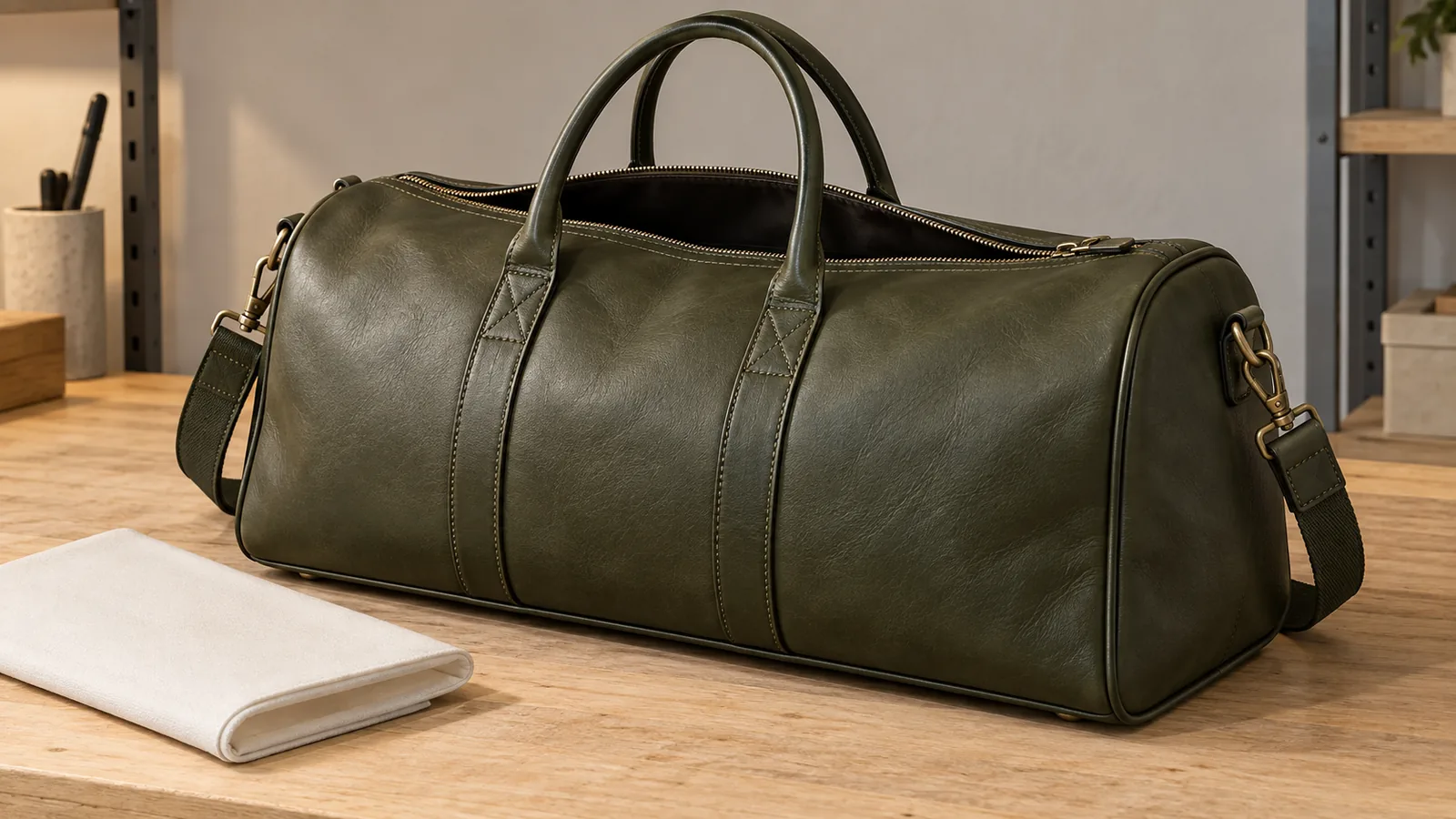
A B2B specification guide for leather travel bag silhouettes, openings, carry systems, base construction, lining, hardware and shape-protecting packing.
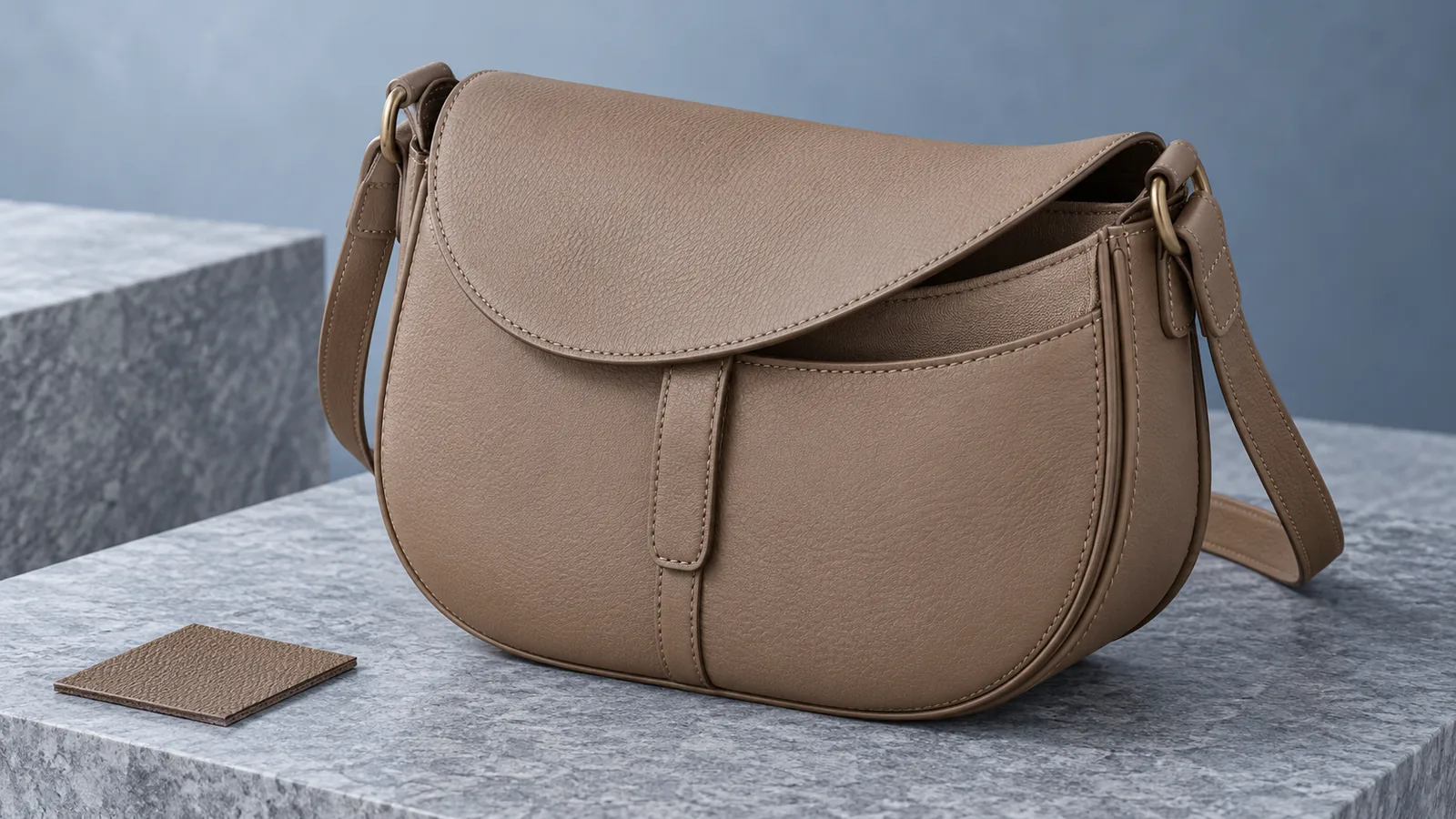
A B2B guide to defining saddle bag flap geometry, gussets, mouth clearance, closures, strap anchors and observable sample approval points.
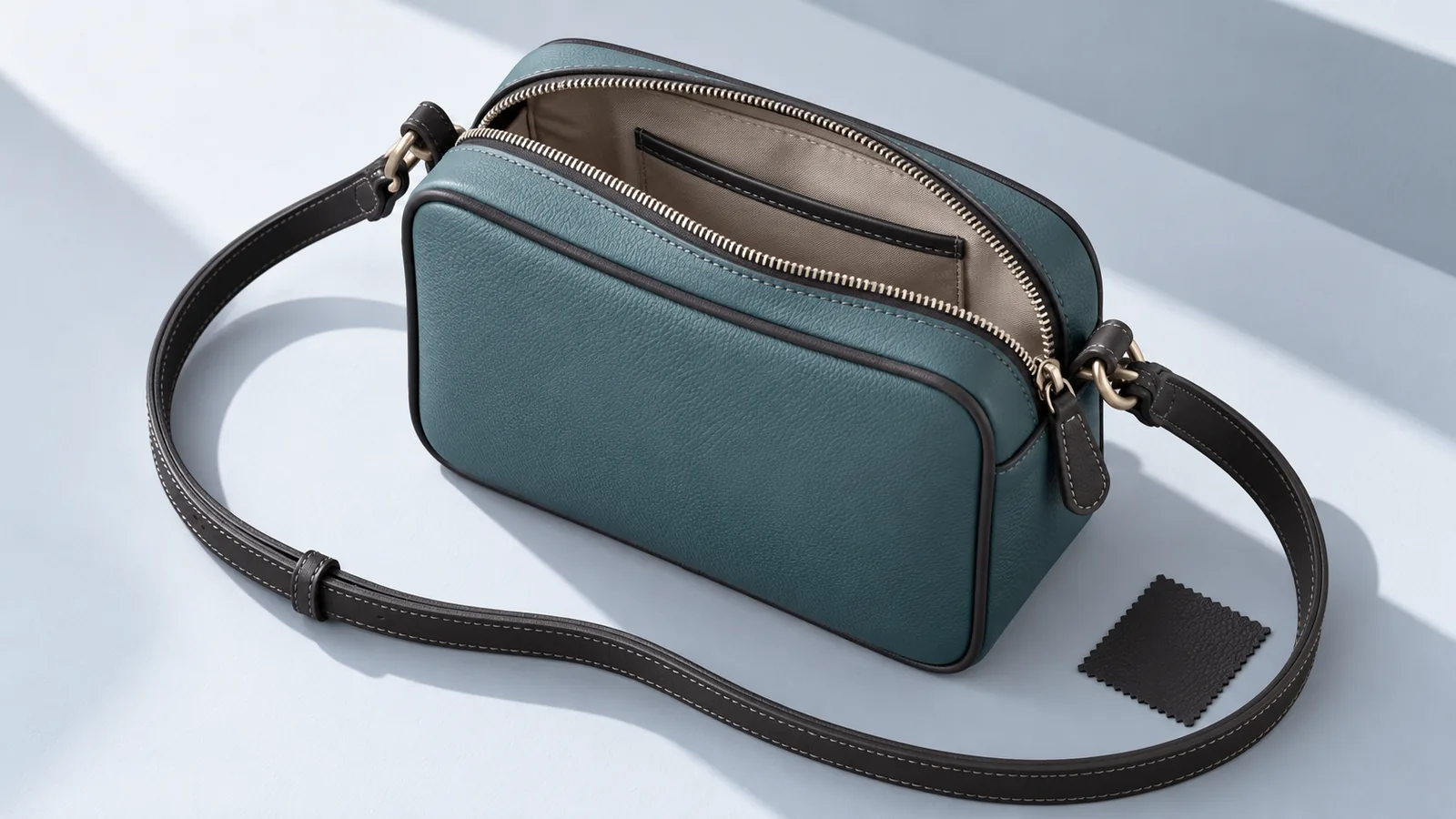
A B2B specification guide to fashion camera-bag box shape, usable zipper opening, side panels, strap anchors and interior layout without equipment-protection claims.
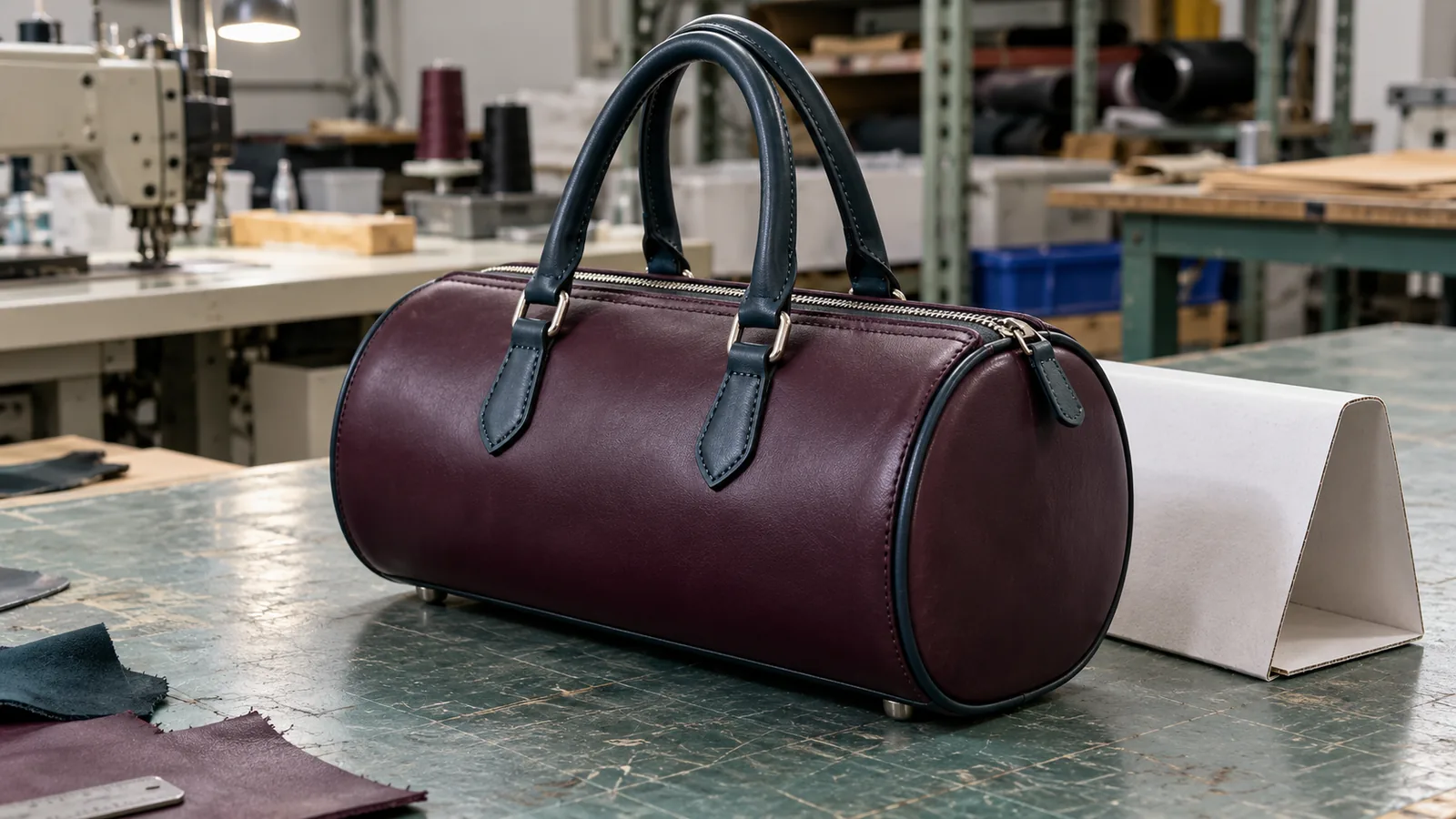
A buyer-side guide to defining elongated bowling or barrel bag profiles, curved ends, zipper openings, paired handles, bases and shape-aware packing.
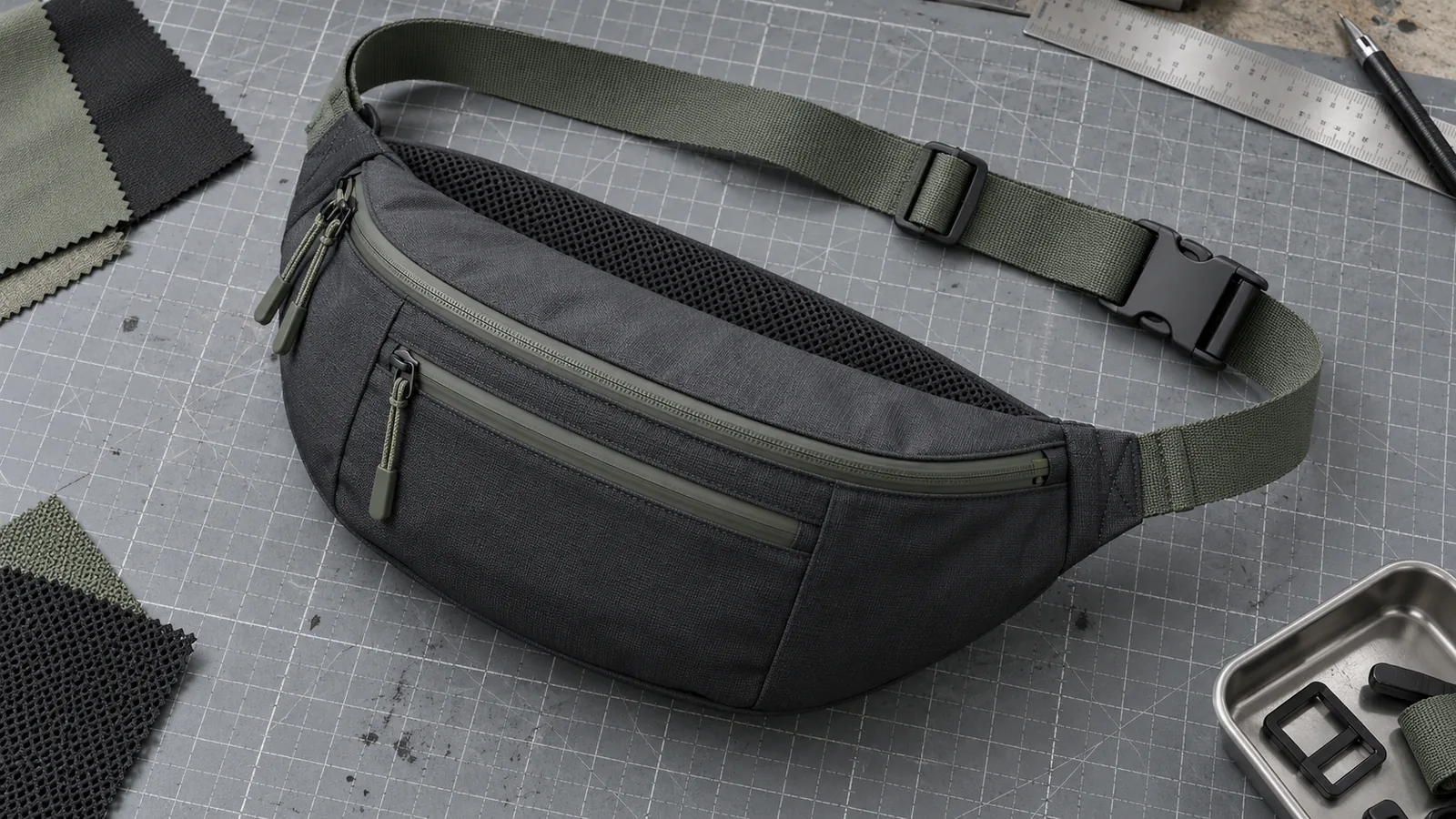
A B2B guide to specifying belt and waist bag fit range, strap routing, buckle position, body-facing construction and compartment access.
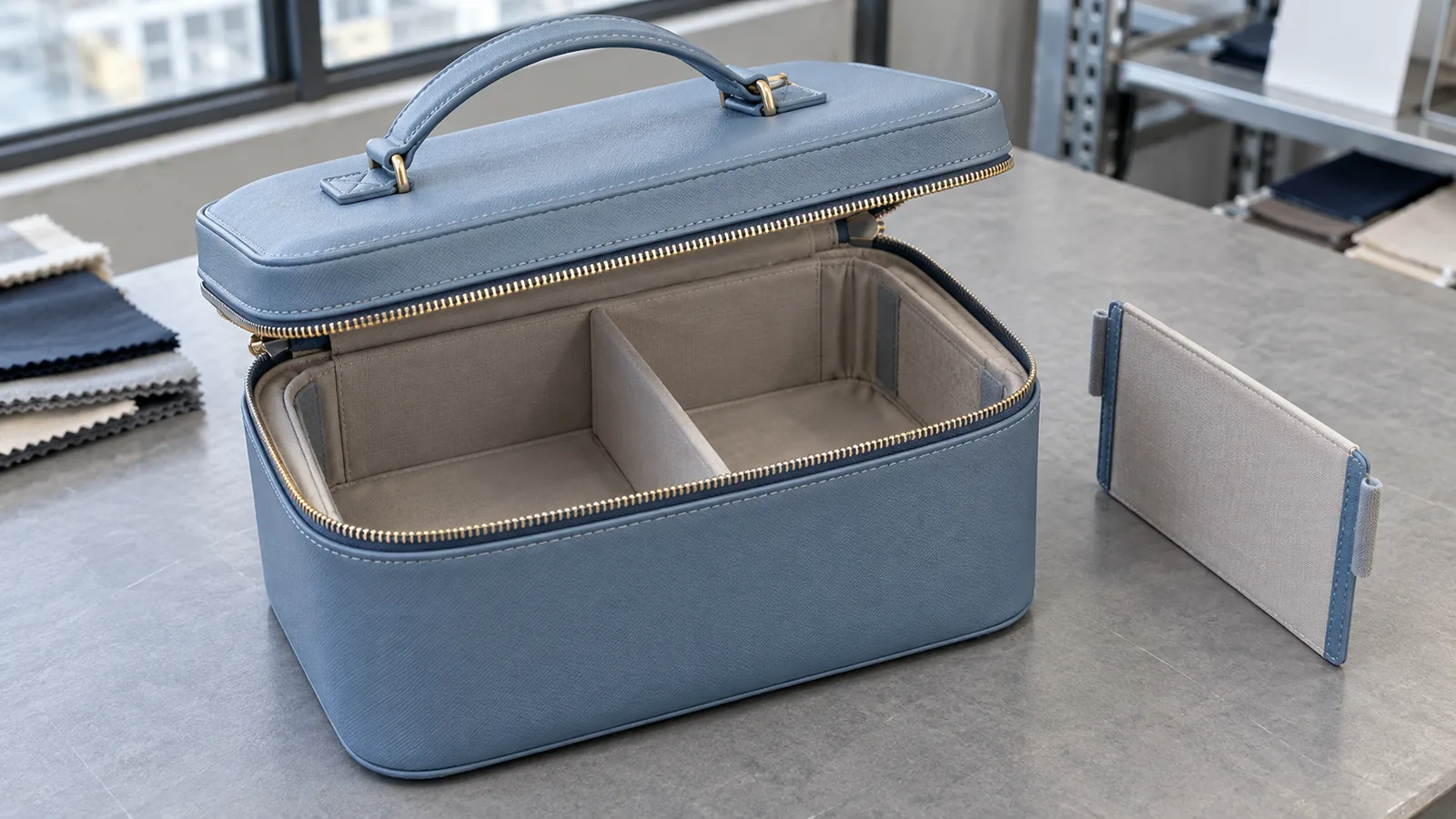
Learn how to specify vanity bags for wholesale sourcing, including case structure, lid geometry, openings, handles, interior dividers and protective packing.
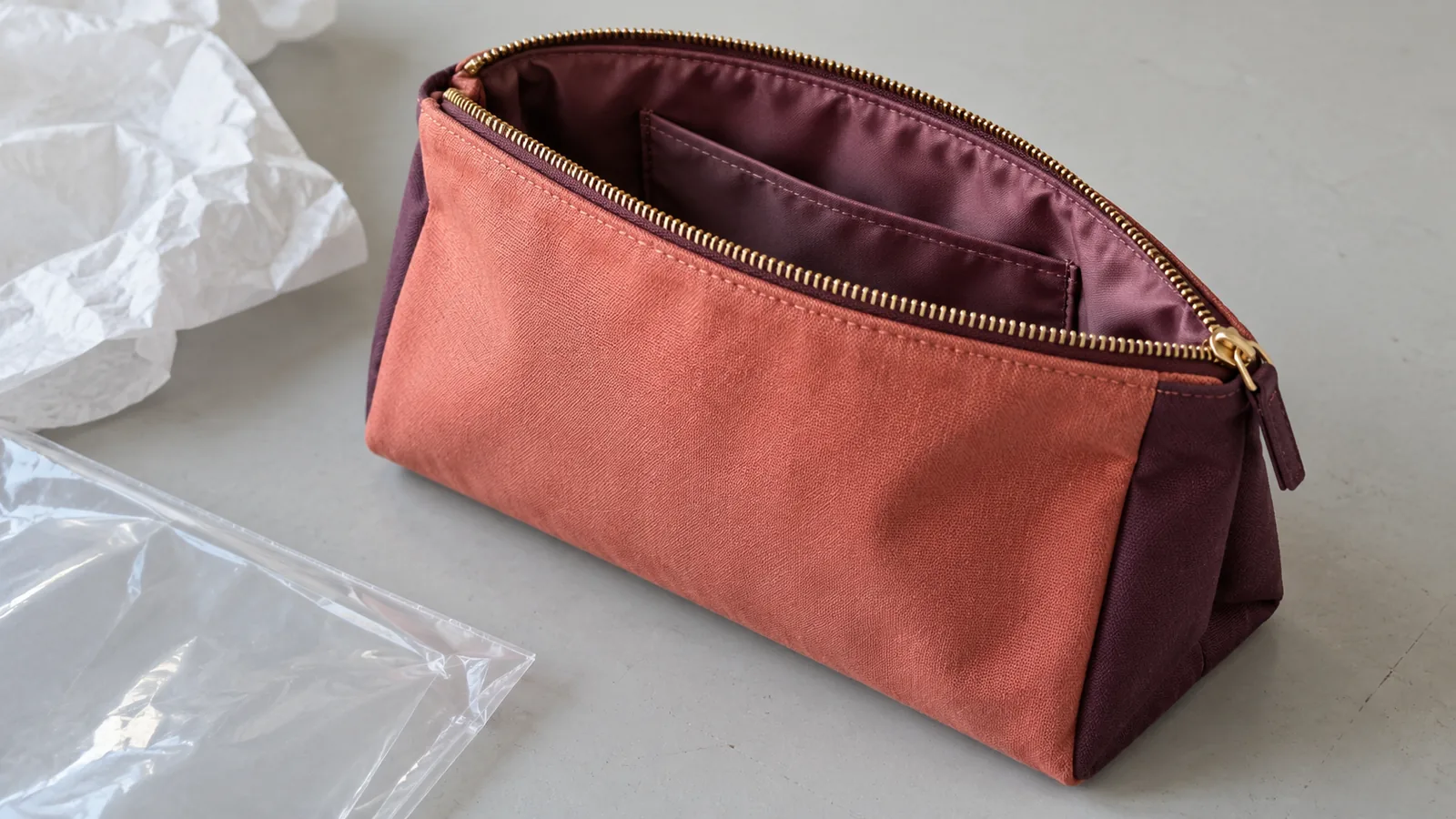
Build a clear wholesale cosmetic bag brief covering usable openings, zipper routes, gussets, linings, pockets, branding and individual or nested packing.
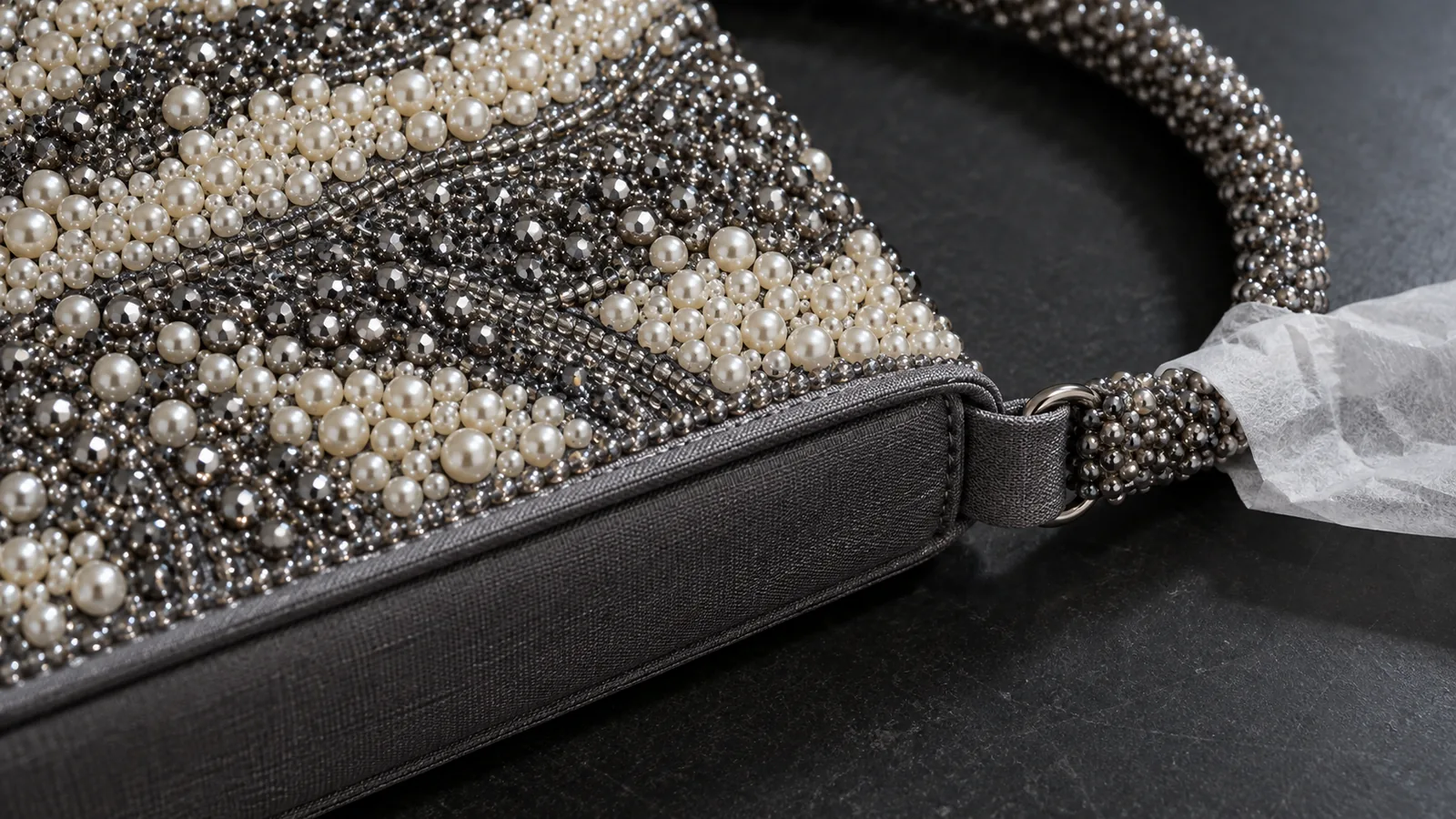
Specify beaded and pearl evening bags with a controlled embellishment map, observable attachment review, edge and hardware decisions, and protective packing.
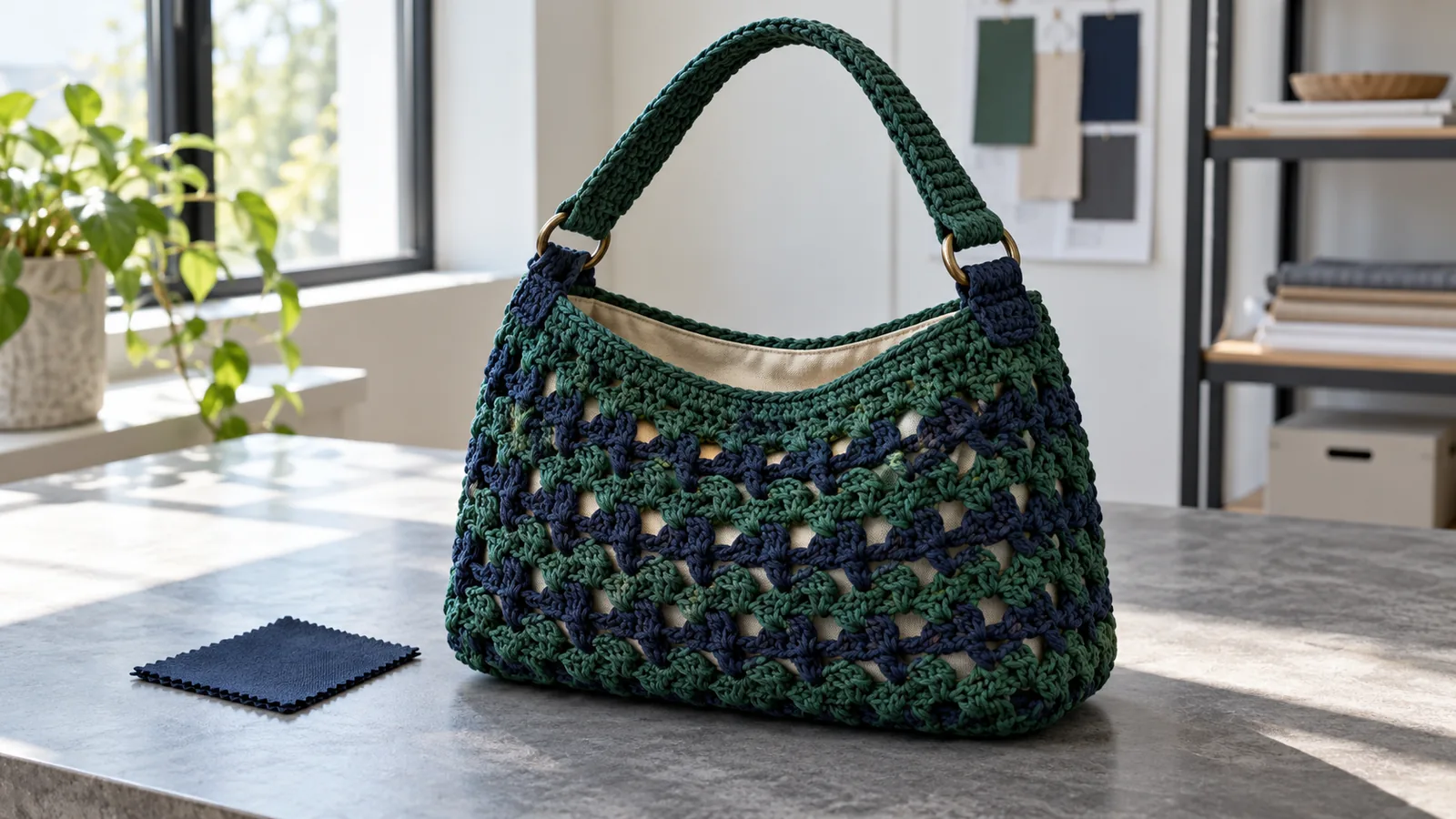
Build a clear wholesale crochet bag brief covering surface appearance, dimensions, lining, openings, handle attachments and observable sample approval points.
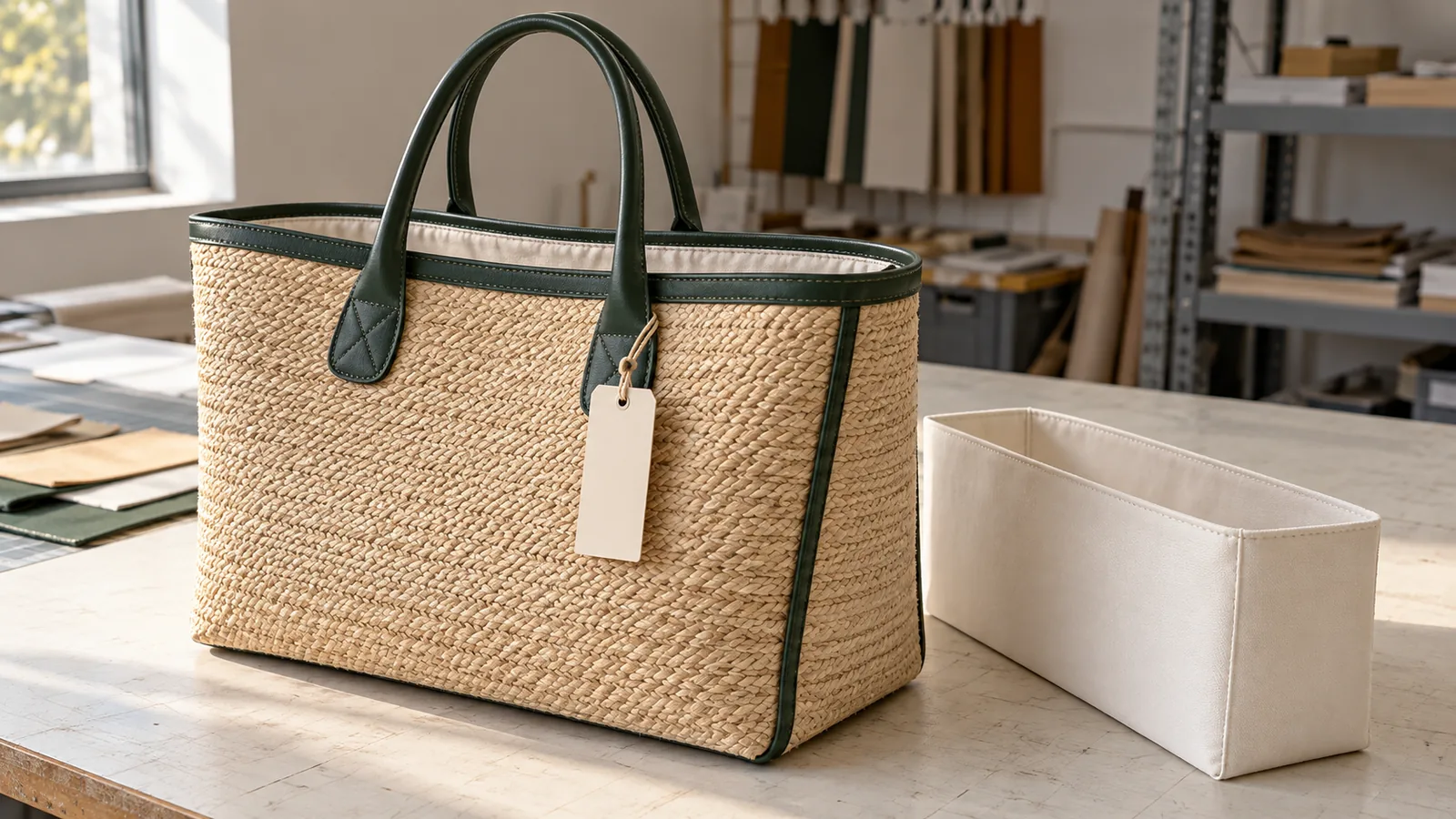
Separate plant-fiber-look appearance from verified material identity, then specify weave direction, structure, lining, handles and protective packing.
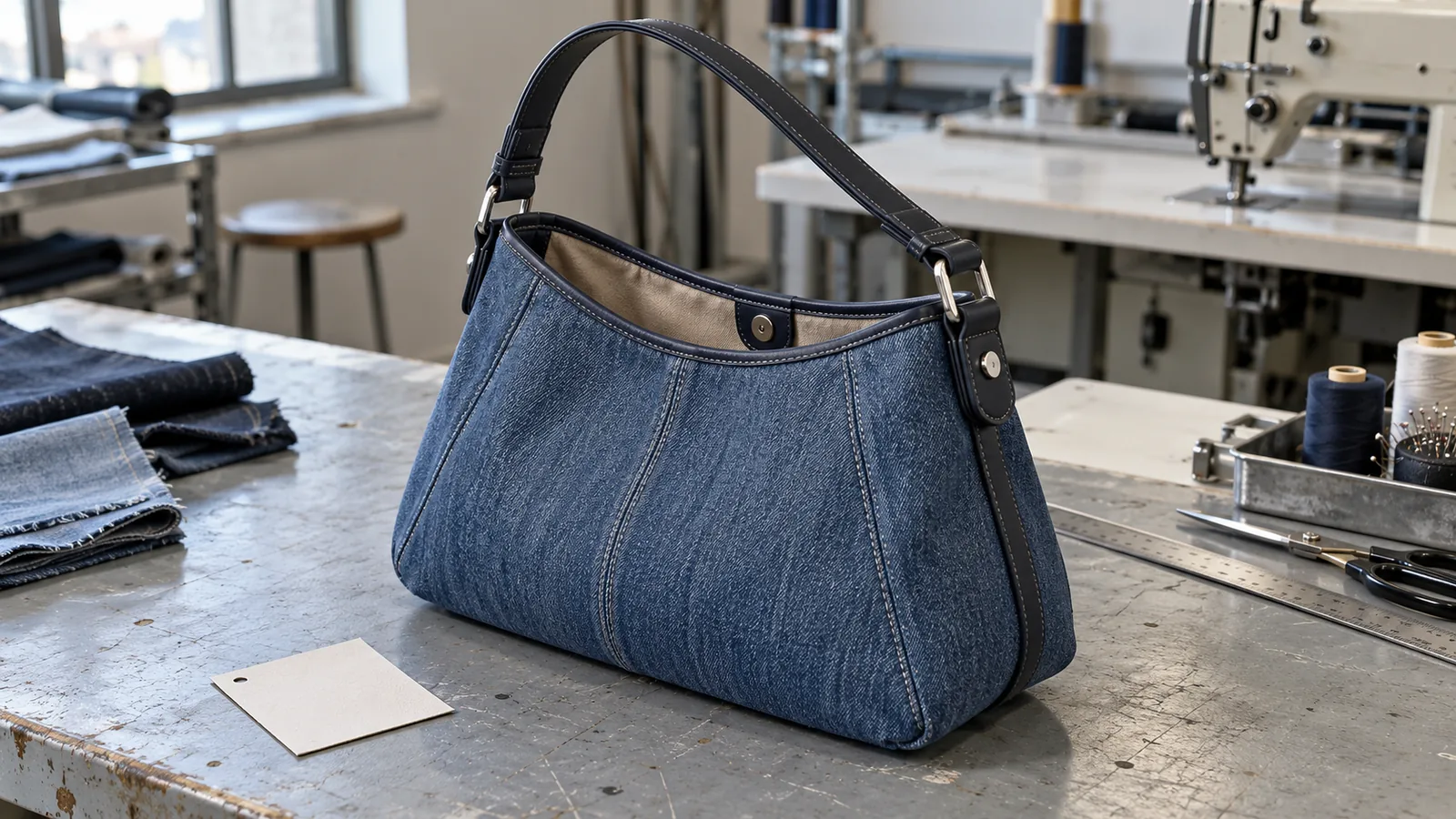
Specify denim-look handbag appearance, panel direction, seams, edges, trims, lining and the evidence needed before making performance claims.
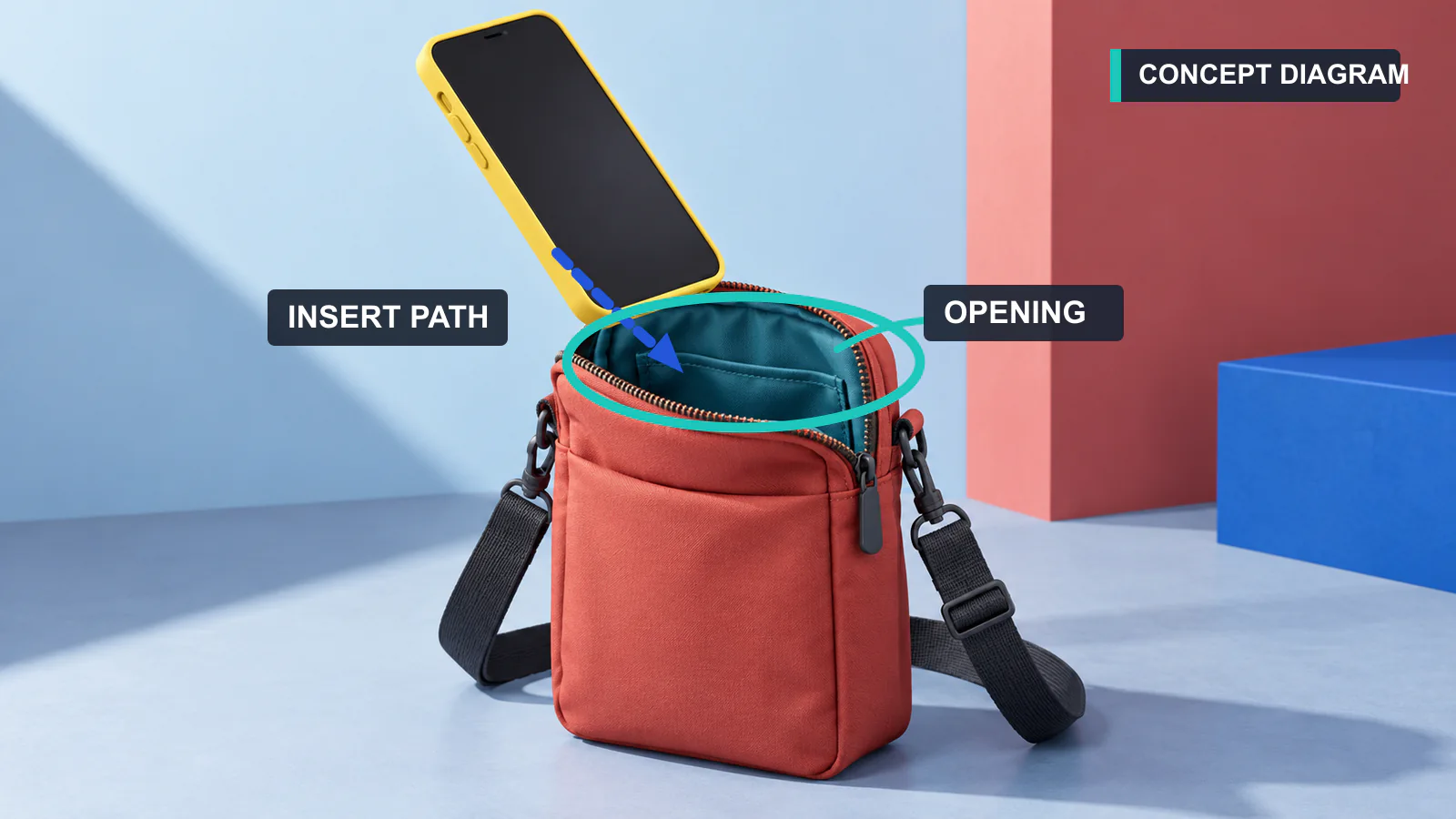
A buyer-side specification guide for turning a target phone and case into a workable crossbody opening, interior layout and first-sample check.
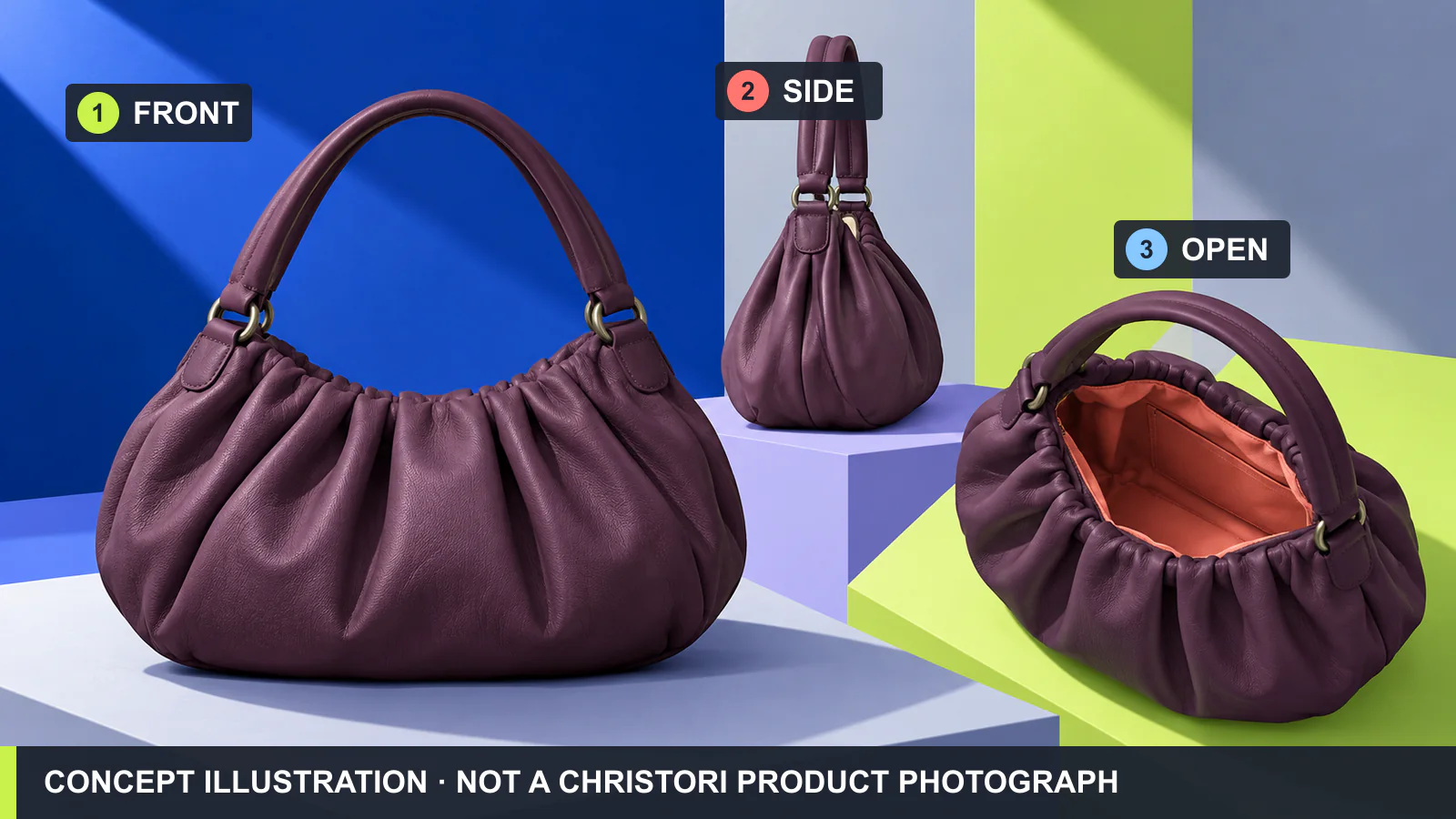
A practical specification and first-sample review for B2B buyers developing or sourcing a dumpling-shaped handbag.
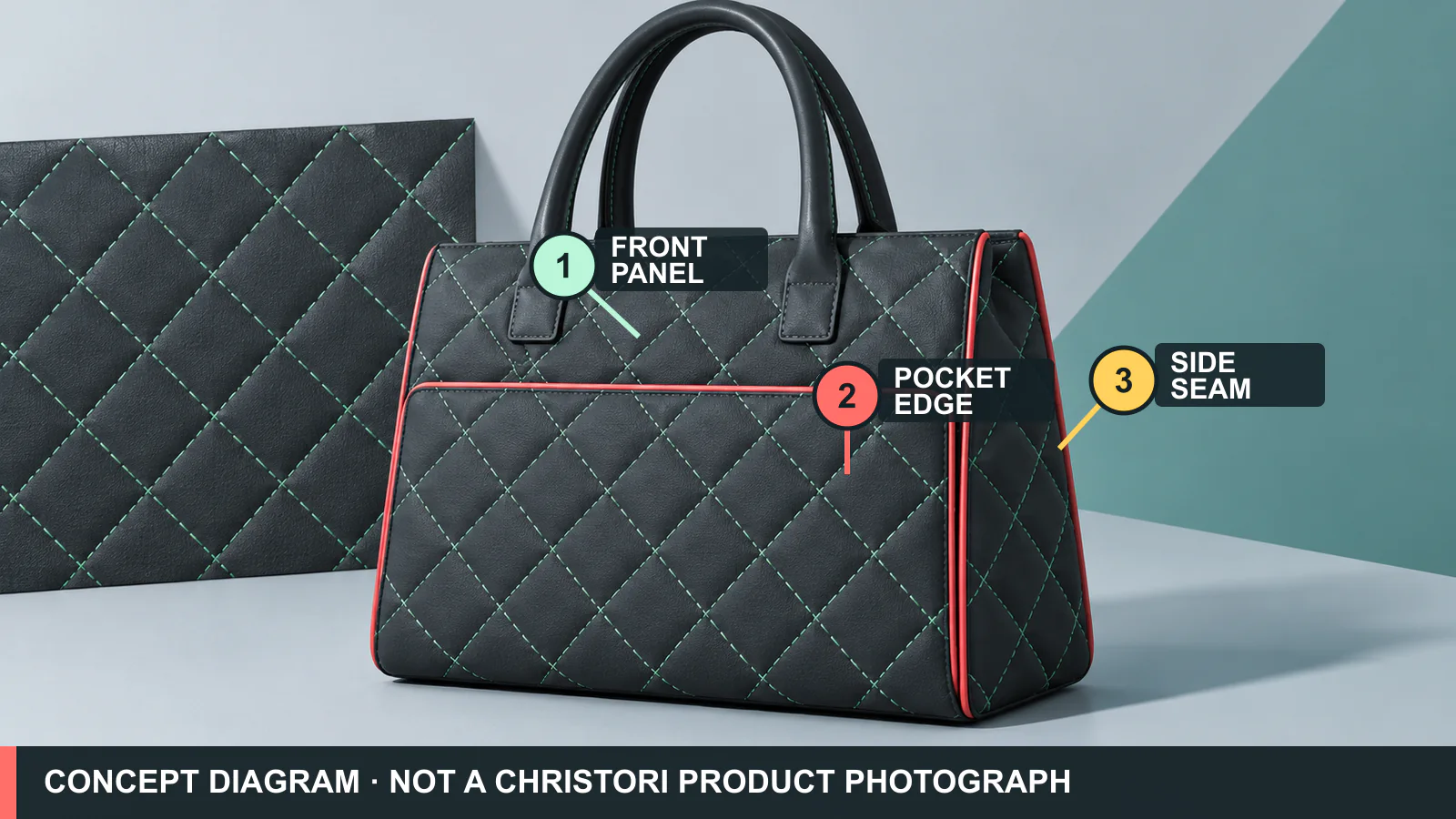
A buyer-side guide to mapping quilted panels and reviewing visible alignment on the first handbag sample.
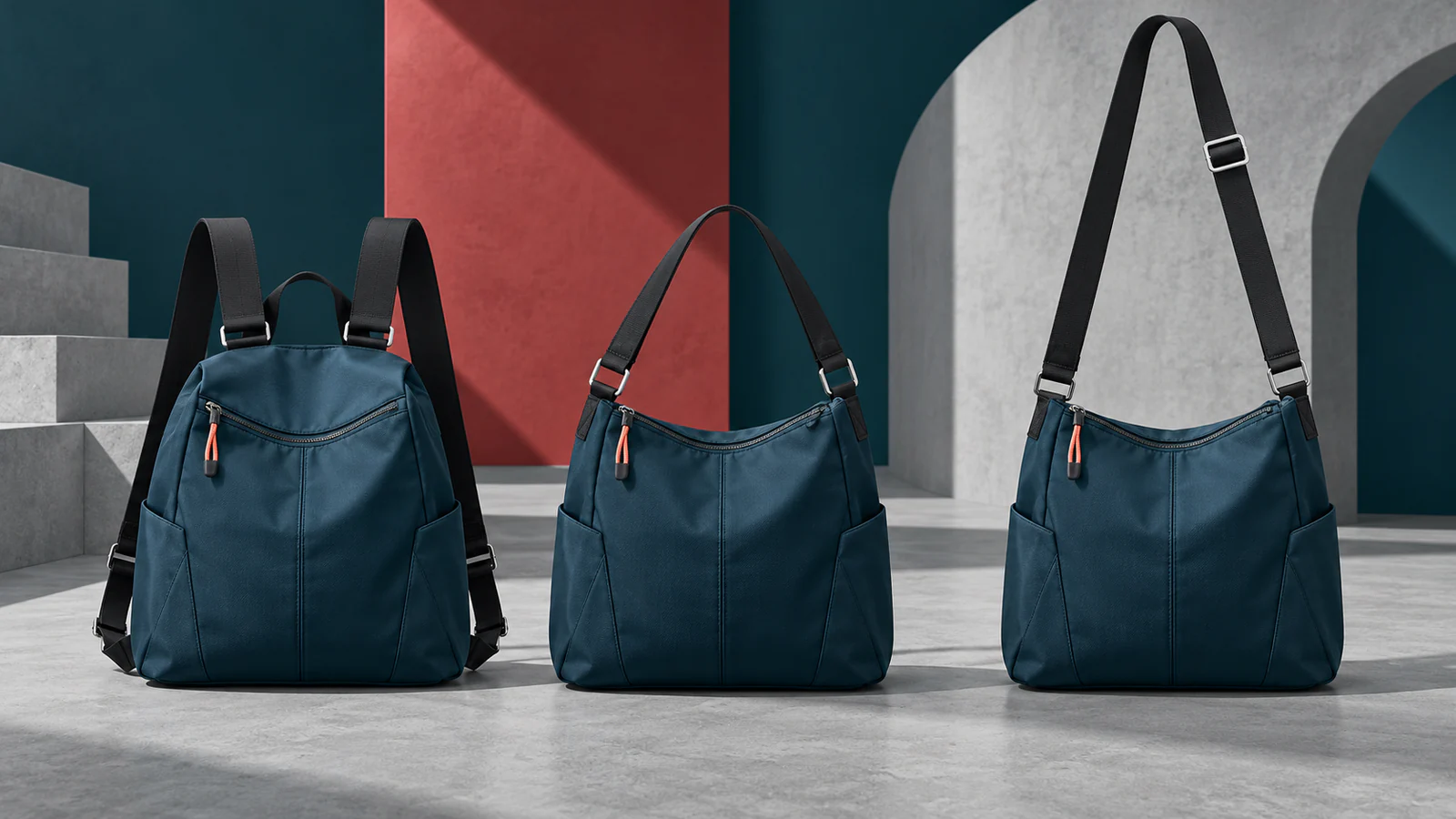
Turn a multi-carry concept into a reviewable specification: map each strap route, store inactive components, compare conversion systems and check the first sample in every intended mode.
Keep nylon fabric choices, construction assumptions and proposed substitutions visible from the first quotation to sample confirmation, even when some details are undecided.
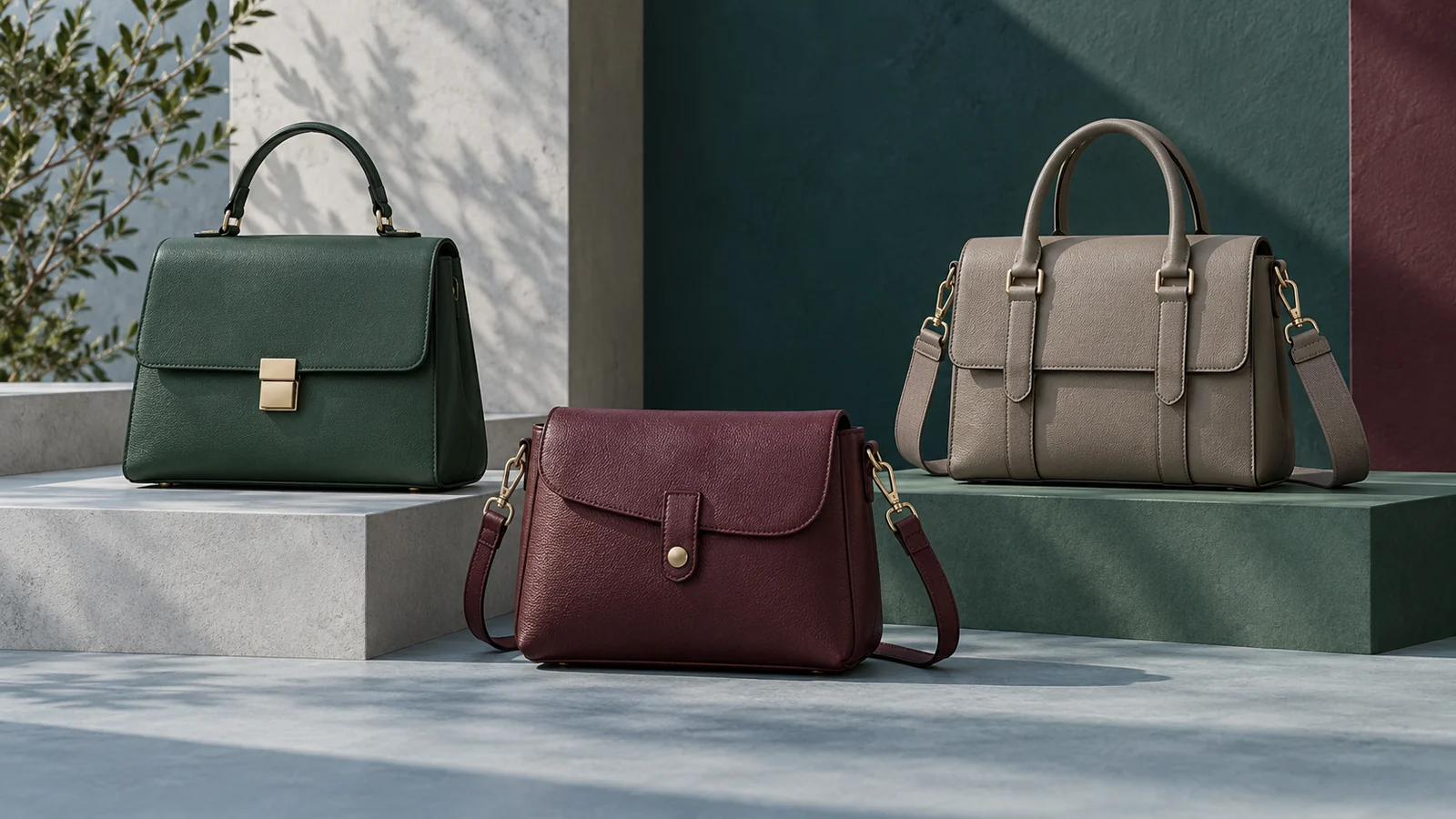
Prepare a satchel sourcing brief by coordinating flap movement, closures, handles, straps and compartments, then review the same details on the first sample.
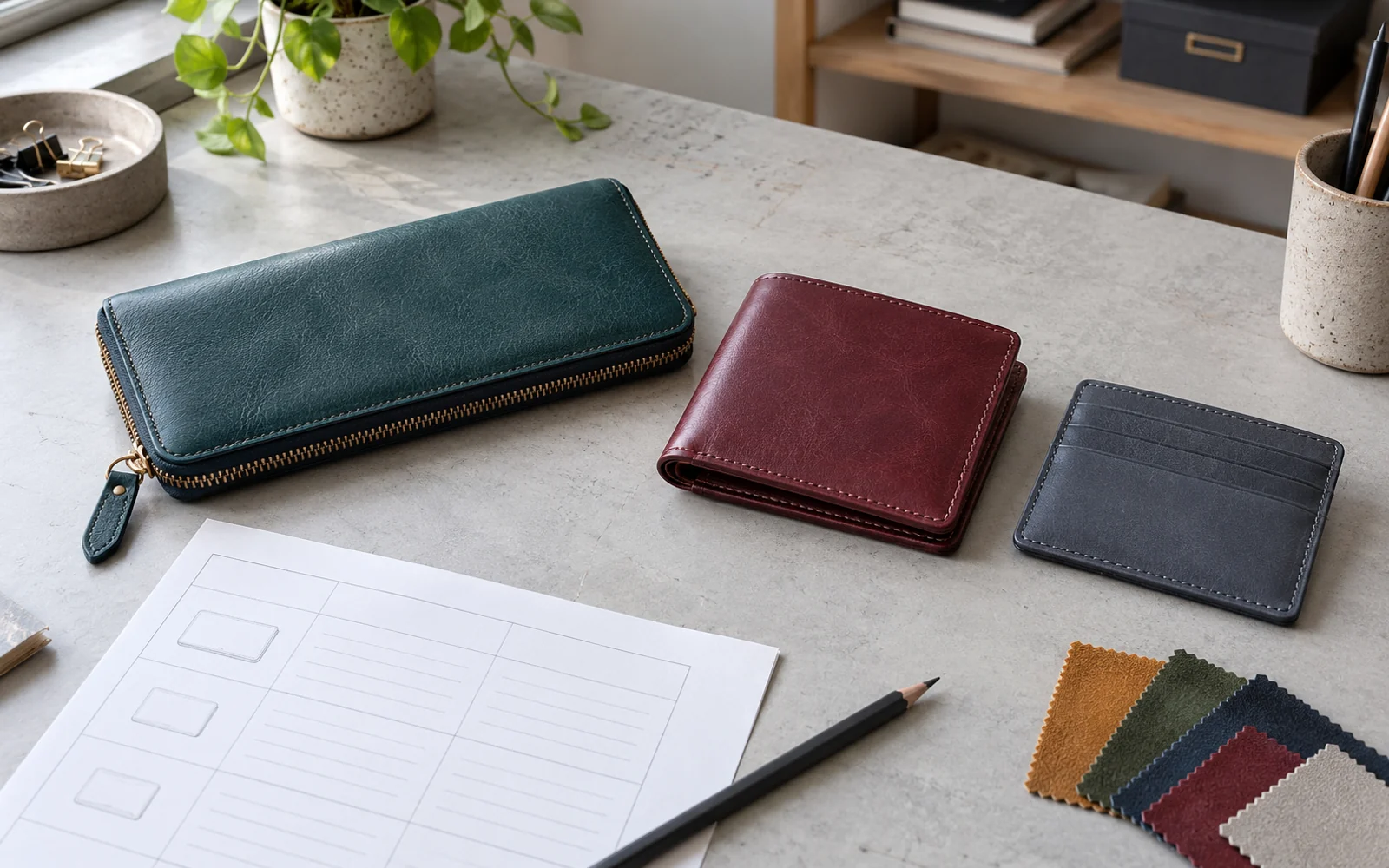
Turn wallet and small leather goods references into clear layout, closure, edge, branding and packaging inputs for comparable quotes and sample reviews.
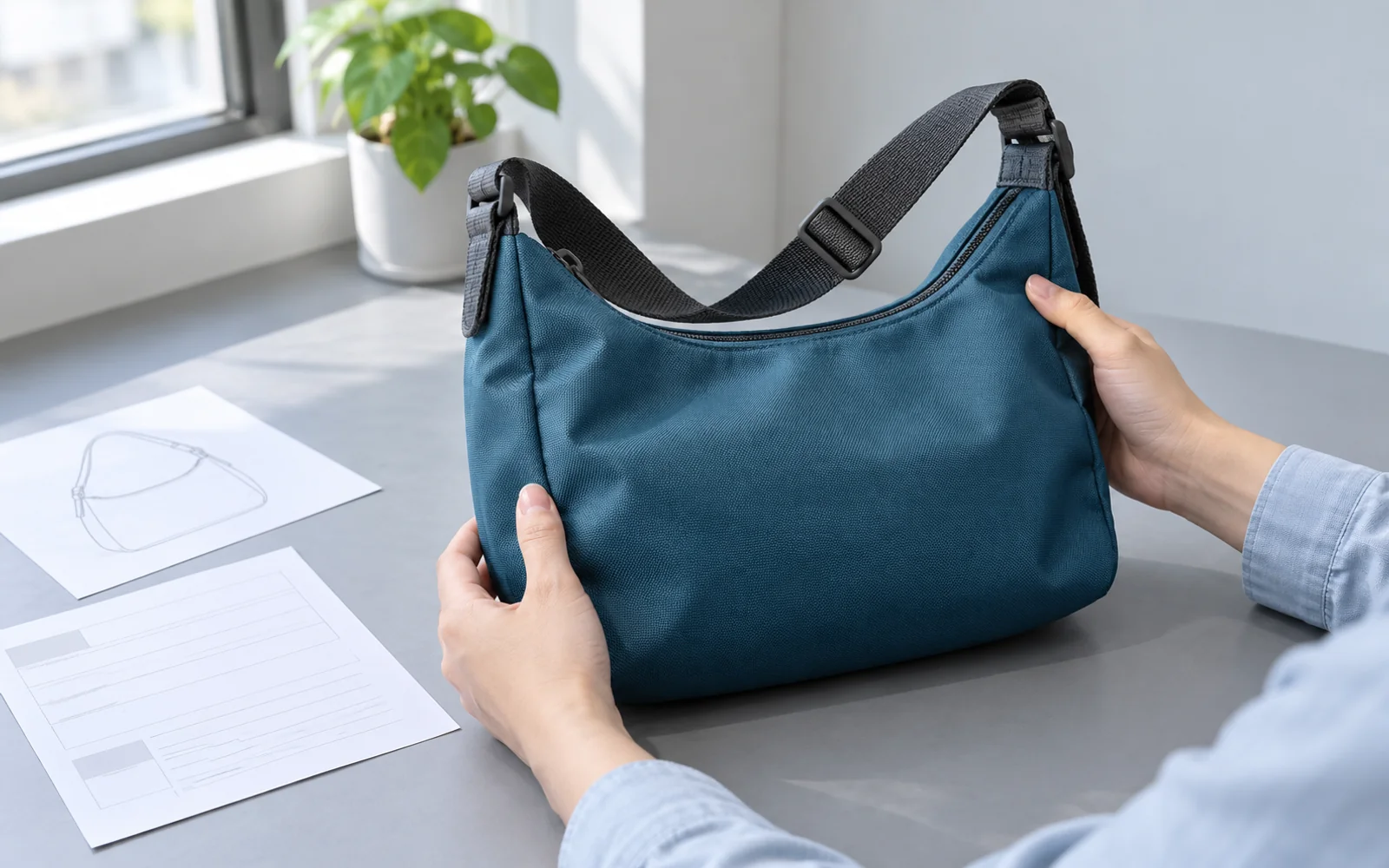
A focused B2B checklist for documenting visible issues on a first nylon shoulder bag sample and sending clear, location-based revision feedback.
Build a coherent work-bag range by assigning each format a commercial role, removing near-duplicates and preparing comparable sourcing and sample-review inputs.
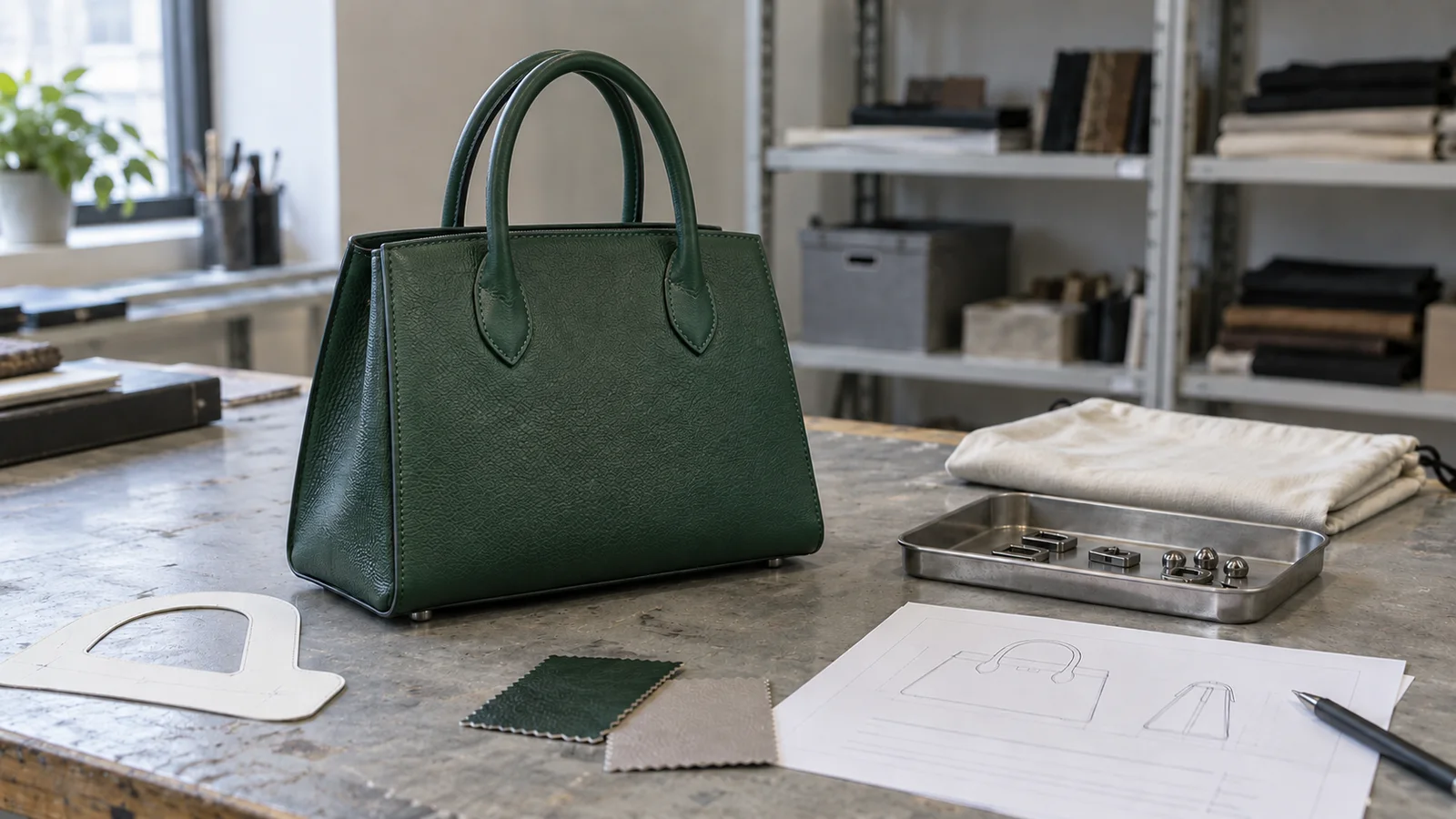
A practical B2B guide to turning a target handbag silhouette into reviewable structure specifications, reinforcement zones and sample checks before custom development.
Define device dimensions, usable interior space, opening clearance and carry details before comparing stock or custom laptop-bag quotations.
Specify woven panels, backing, handle connections and sample checks before comparing wholesale or custom woven-bag quotations.
Define top-handle bag measurements, attachments, body support, materials and packing before comparing wholesale or custom quotations.
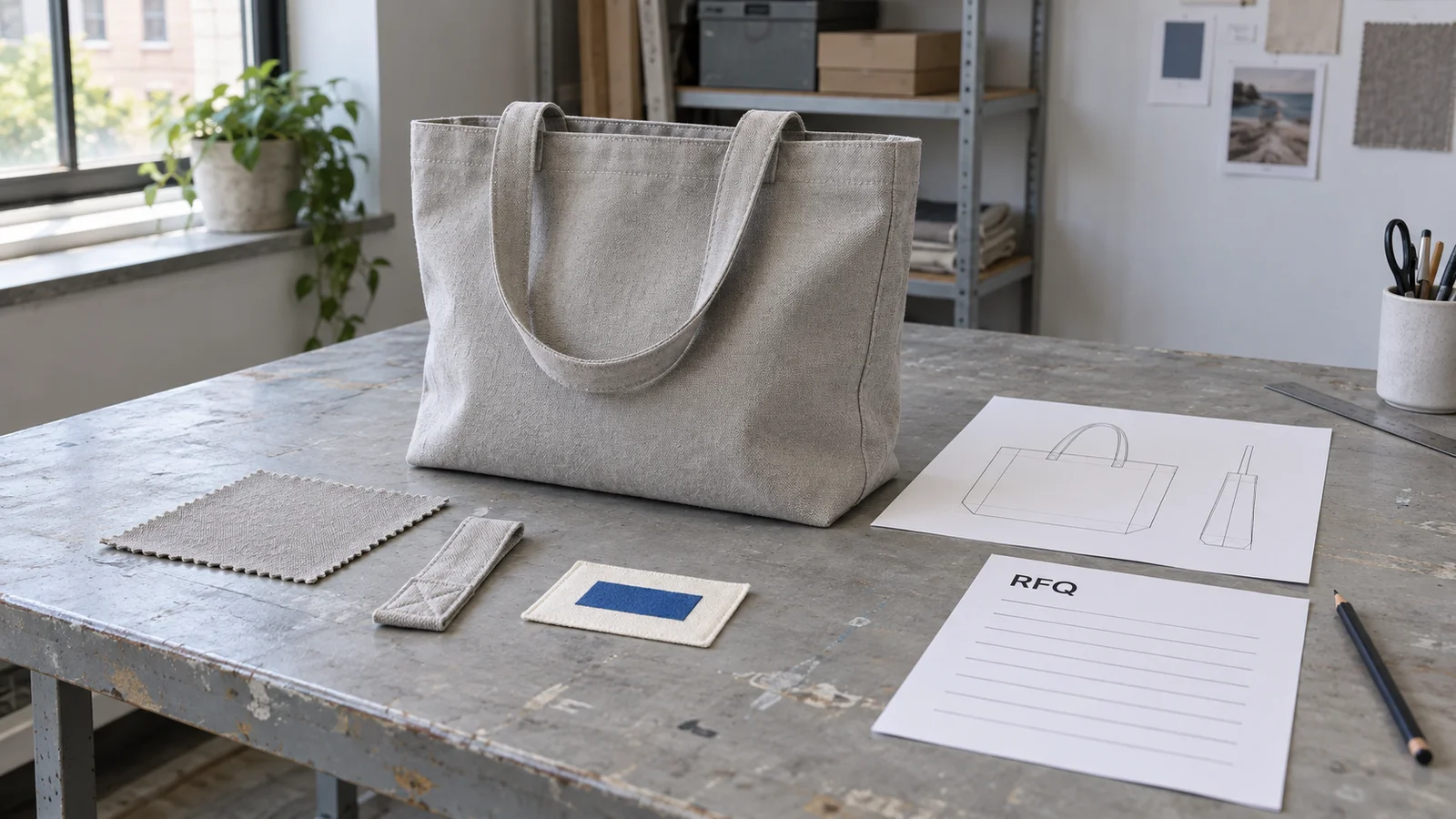
A practical B2B checklist for defining Canvas fabric, tote construction, branding, color quantities, packaging and delivery assumptions before comparing factory quotations.
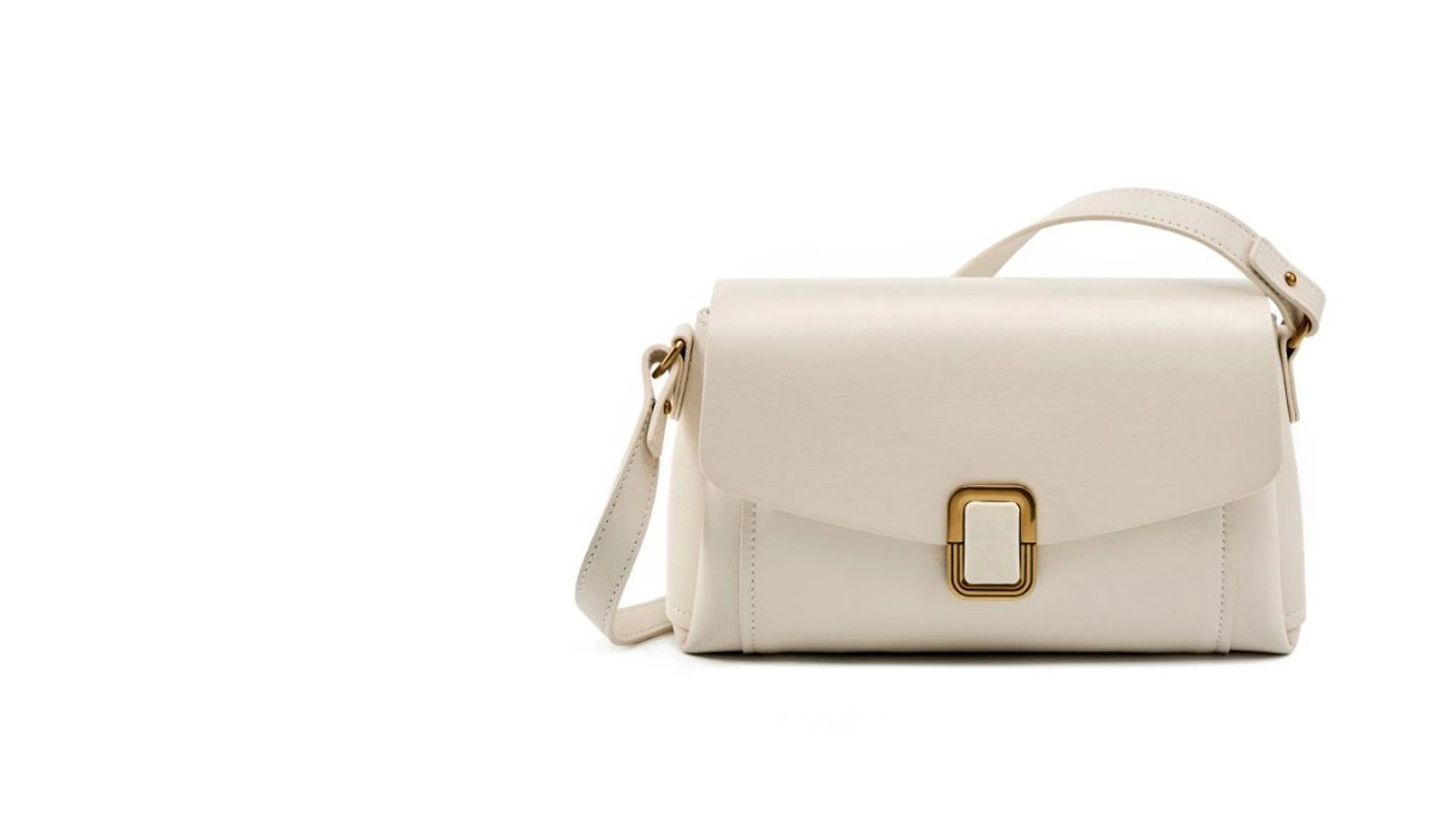
Prepare a private label crossbody bag brief with clear strap measurements, attachment details, hardware and closures, plus the checks needed before sample approval.
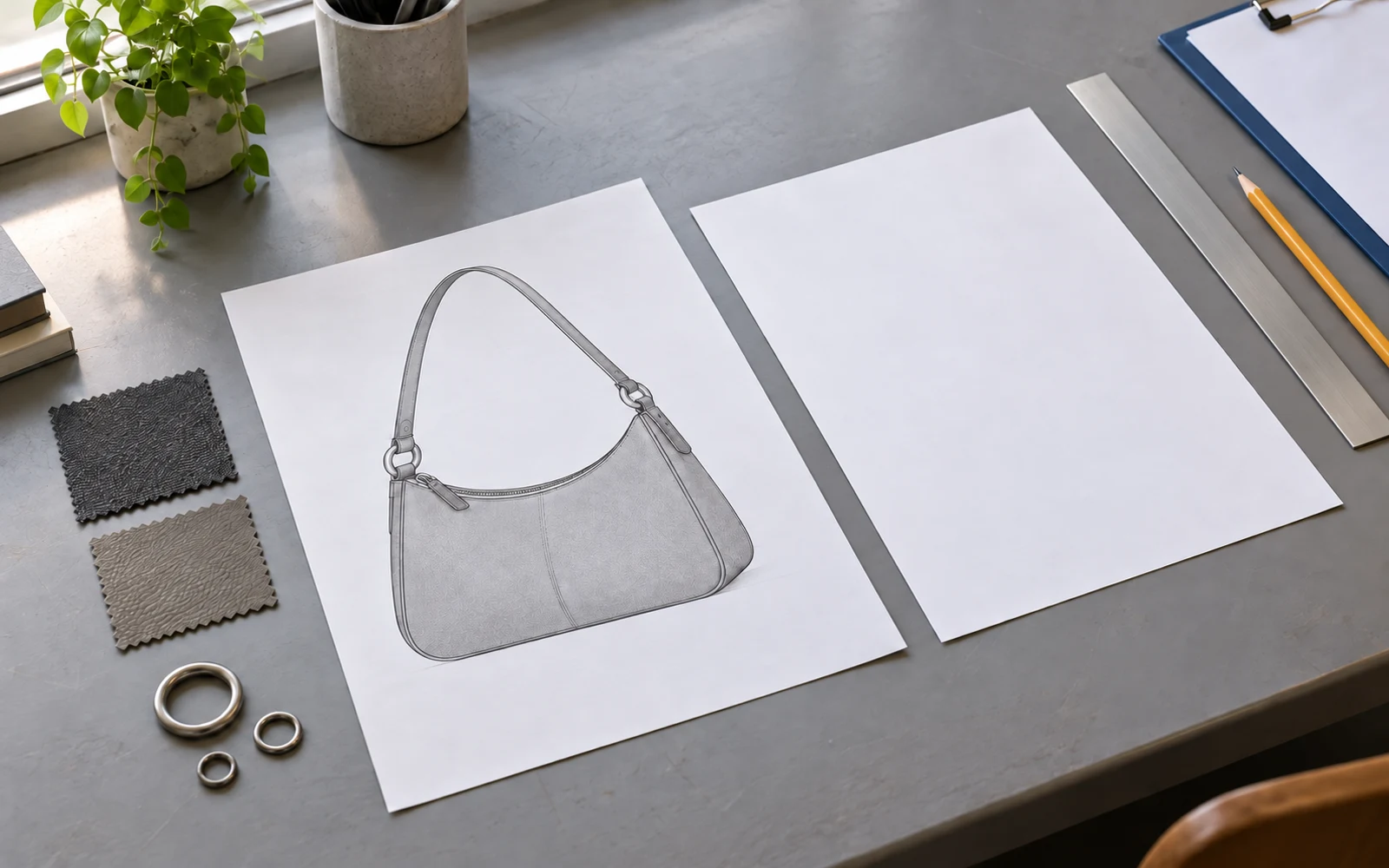
An AI handbag image can start a useful factory discussion, but it cannot define a reliable production quote by itself. This B2B checklist shows which specifications buyers should confirm before requesting a sample or quotation.
Learn how to choose a shoulder bag manufacturer for wholesale, ready stock, light customization, ODM and OEM orders, with MOQ, material and RFQ checks.
Ready stock handbags, ODM modification and full custom production solve different sourcing problems. This guide helps B2B buyers choose the right launch route before requesting a factory quote.
Launching private label handbags requires more than choosing a style. Use this B2B checklist to prepare logo, material, lining, packaging and MOQ details before contacting a manufacturer.
Low MOQ orders can help new brands test the market, but only if the sourcing route is realistic. This guide explains how to evaluate a handbag manufacturer for small-batch production.
Most sourcing problems are predictable and preventable. Here are the 11 most common and costly mistakes in wholesale leather bag sourcing from China — with exactly how to avoid each one.
Factory lead time is not a fixed number — it is a variable shaped by your decisions. Here are the four stages, realistic timelines by order type, and what genuinely accelerates production.
Packaging is the last thing your factory does and the first thing your customer sees. Here is the complete guide to dust bags, boxes, tissue paper, swing tags and outer cartons for wholesale leather bags.
From first supplier contact to delivery at your warehouse — the complete 8-step process for placing your first wholesale handbag order from a Chinese manufacturer, with specific guidance at each stage.
Duty costs can add 5–35% to your landed cost depending on your destination market. Here are the current rates for the US, EU, UK, Canada and Australia — and how to manage them in your pricing model.
Buyers who understand factory cost structure consistently achieve better pricing than those who simply ask for a discount. Here are the levers that actually work — and the tactics that backfire.
AQL inspection is not just a checkbox — it is a statistical framework that defines what quality means before your goods leave China. Here is how it works and how to use it to protect your brand.
A proper tech pack eliminates the most common and expensive production errors. Here is every section your leather bag tech pack must contain — and how to send it so factories actually use it.
The sample stage is where most sourcing relationships either earn trust or reveal problems. Here is the complete process: sample types, tech pack requirements, realistic costs, and a systematic inspection checklist.
Leather bag MOQ from Chinese factories is rarely fixed — it's a negotiation. Here is what the numbers actually mean, what moves them, and how to protect your margins.
Most factory audits fail because buyers check the wrong things. This 15-point checklist covers what actually predicts product quality, delivery reliability, and long-term partnership success.
Everything a wholesale buyer, boutique owner, or brand founder needs to know before sourcing leather handbags from China — from finding the right factory to placing your first order with confidence.
The wallet on chain is one of the most consistently sellable compact bag formats in the market. Here is what it is, why it performs, and what to look for when sourcing it at scale.
The drawstring bag is one of those rare silhouettes that keeps reappearing in collections because it actually works. Here is why it belongs in your assortment — and what to look for when sourcing it.
Buyers ask this question more than almost any other: sling or crossbody? The honest answer is that they serve different customers — and stocking both strategically is usually the move that actually works.
The moon bag has moved from street style novelty to a genuine retail staple. Here is what boutique owners and brand buyers need to know before placing their next order.
Everything boutique owners and fashion brands need to know about sourcing custom tote bags in 2026 — from leather selection and private labeling to MOQ negotiation and quality control.
Learn the essential steps to launch your independent handbag brand in 2026, from mastering bag design and tech packs to finding the right leather manufacturing partner.
A comprehensive B2B guide for fashion brand founders and sourcing managers on how to find, audit, and partner with a reliable handbag factory in China.
From brand identity to your first production run, this is the complete roadmap for launching a leather handbag label with a Chinese manufacturing partner.
Minimum Order Quantity is one of the most negotiated terms in B2B sourcing. Here is how to approach MOQ discussions with Chinese manufacturers without sacrificing quality or margin.
Learn how to plan private label handbag branding, compare logo methods, packaging options, MOQ factors and RFQ details before asking a factory for a quote.
Hardware is the jewelry of a handbag. A poor zipper or a cheap clasp can undermine an otherwise perfect leather product. Here is how to choose hardware that matches your brand's positioning.
Getting your handbags manufactured is only half the battle. Understanding freight, customs, duties, and last-mile delivery is what separates smooth operations from costly surprises.
Two letters make a world of difference in how your product is made, owned, and protected. Understanding OEM and ODM is essential before you place your first factory order.