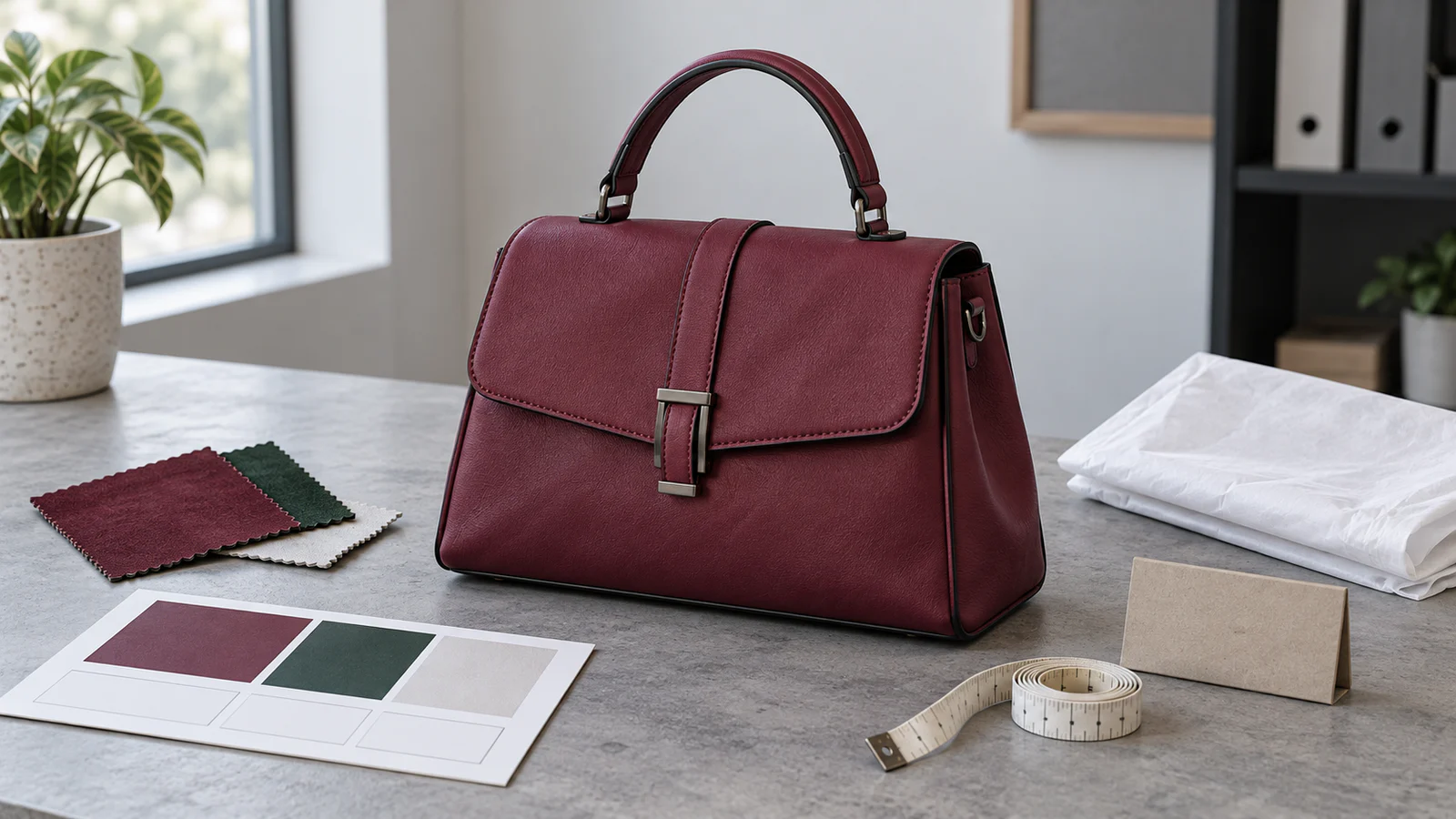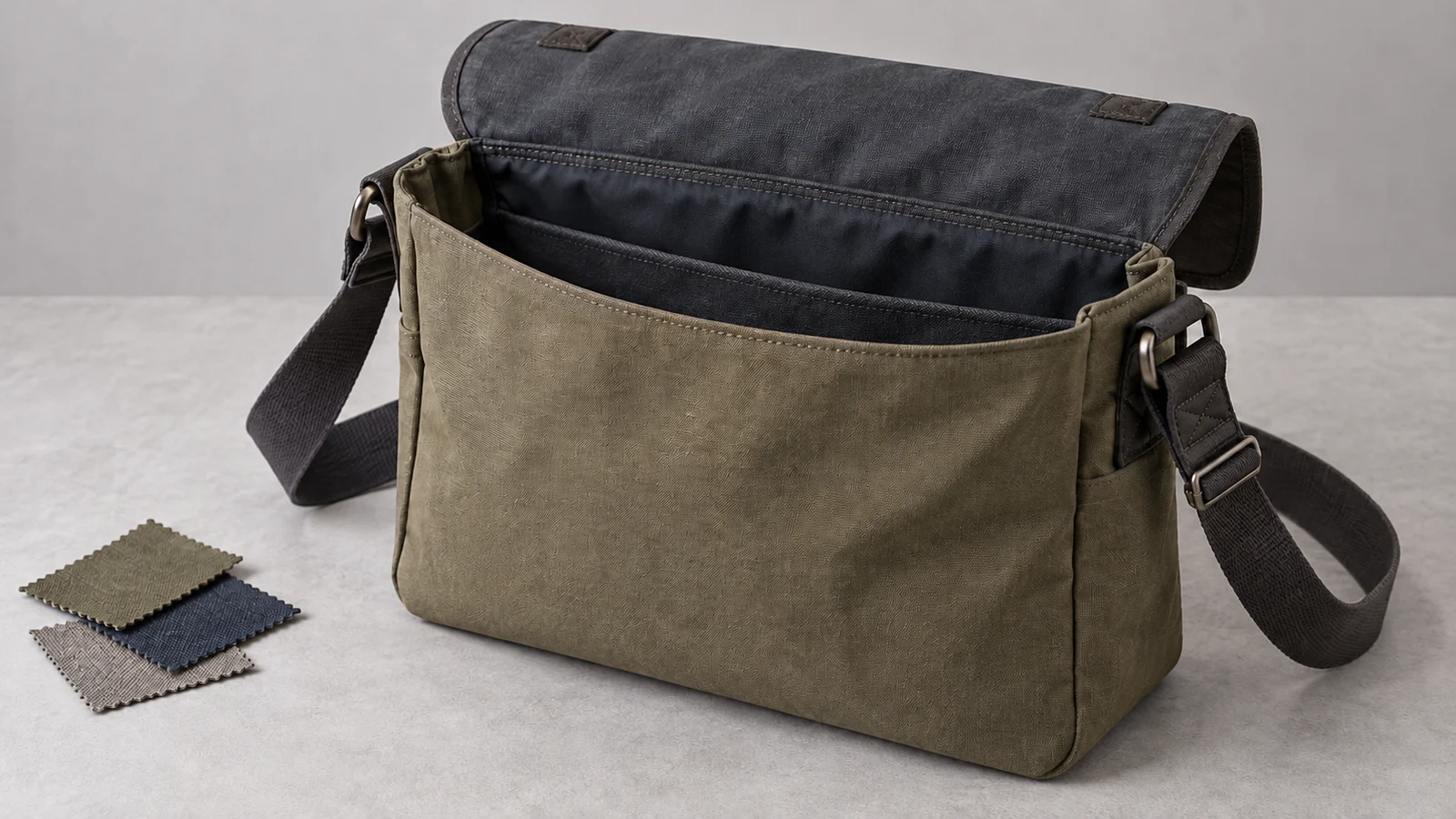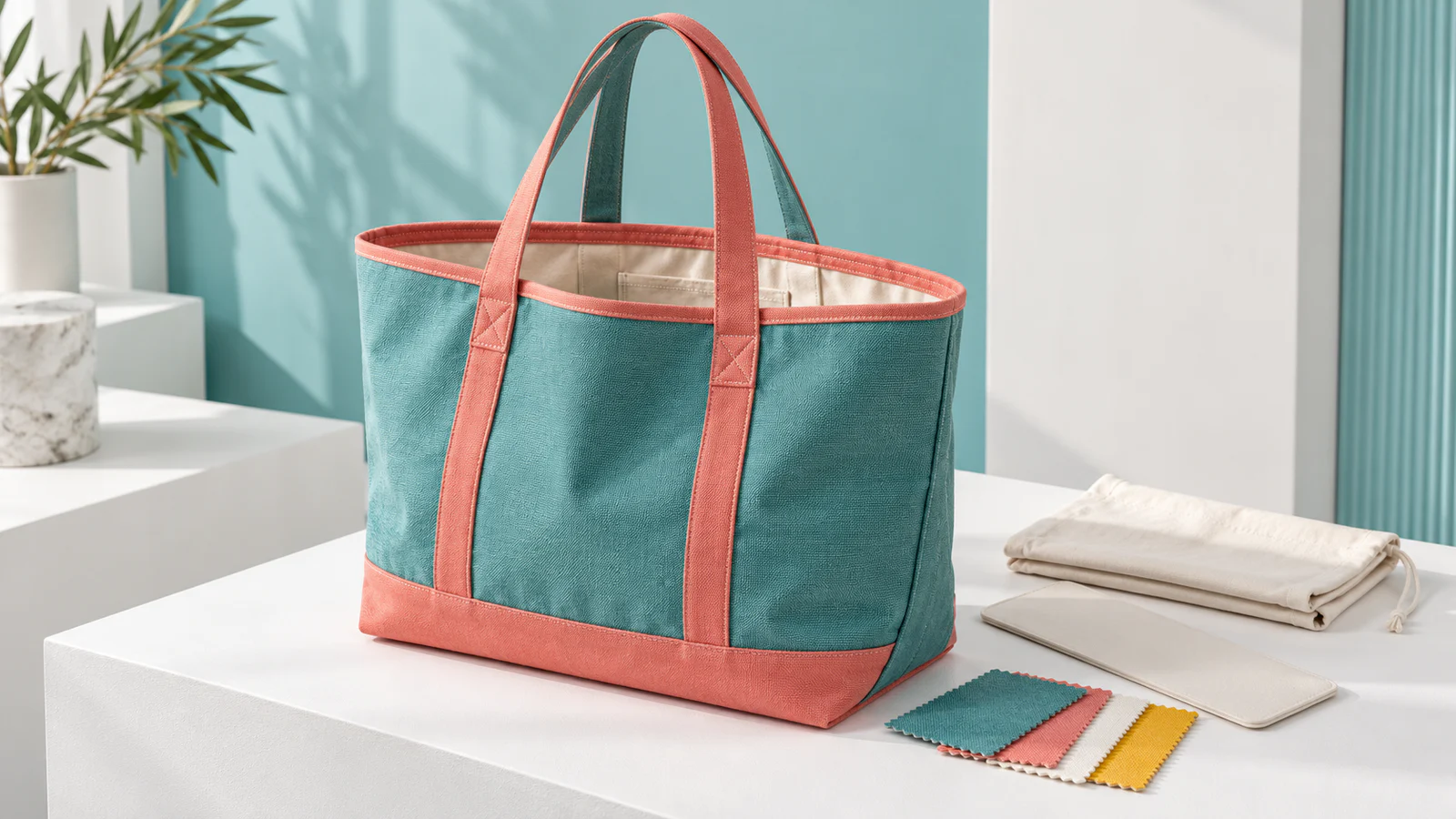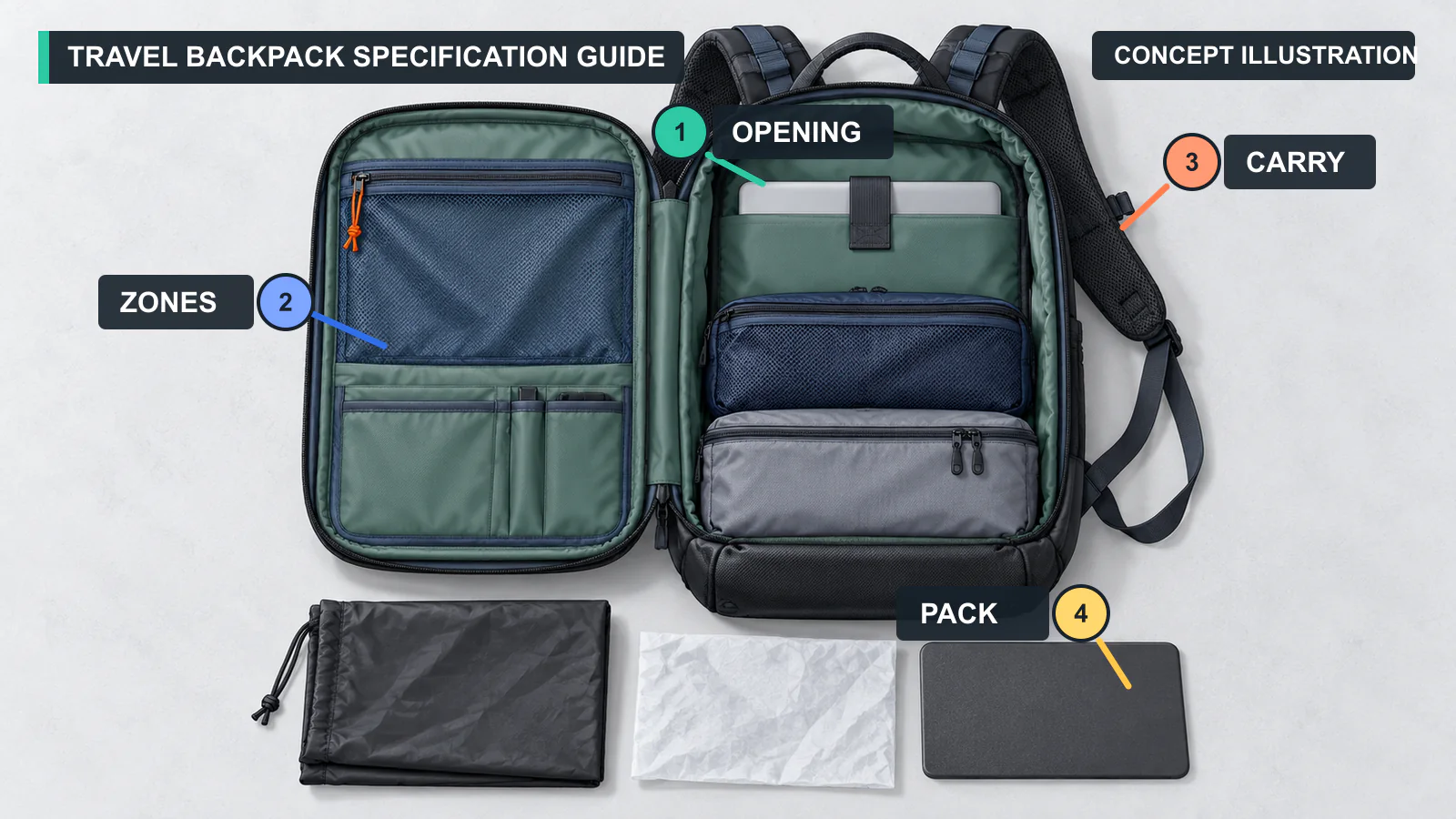
A reference image can establish a travel-backpack direction, but it does not define how the backpack should open, how its zones share space, how the carry system affects access, or how it should be packed. If suppliers fill those gaps differently, their quotations describe different products.
Useful travel backpack wholesale specifications begin after the buyer has selected the backpack format. Record the intended use, opening path, compartment relationships, straps, handles, back panel, base, material and branding direction, quantity context, packing needs and unresolved questions. That shared input gives a travel backpack manufacturer or sourcing partner a comparable project to review, without inventing capacity, performance or commercial terms.
Choose the Sourcing Route and Intended Travel Use First
Ready Stock means selecting an existing style and asking what is currently available. Start with the exact item, color and material, then confirm actual openings, compartments, branding options, packaging, available quantity and order terms. A place in the wholesale backpack collection shows the category direction; it does not prove that every style is in stock or open to every change.
Light customization starts from an existing structure. Identify which logo, color, material, lining, hardware or packaging changes you want, and ask which are feasible without changing the underlying pattern. A branding request should not silently become a new compartment or opening.
Custom, OEM or ODM development translates a reference, sketch or concept into measurable construction and a sample-review plan. Use handbag product development when the opening, internal relationships or carry system must be developed rather than selected from an existing item.
Describe the intended travel use in observable terms. For example: documents must remain accessible during transit; work items must be separated from clothing; a small pocket should be reached without unloading the main zone; or the backpack should rest in an agreed position while being packed. These are specification inputs, not promises of liter capacity, airline compliance or protection.
If multiple carry modes are essential, use the convertible backpack specification guide to define that separate system. This guide assumes the buyer has selected one backpack format.
Define the Opening and Access Sequence
Mark the main opening geometry and zipper or closure path on front, side and open views. Top access, front access, side access and a wide clamshell-like opening are possible design directions; none should be treated as a feature of an unidentified stock item.
Show the intended measurement points without inserting assumed values. State which hand action opens the bag, which direction the closure travels and how far the mouth must open for the required packing sequence. A nominal exterior width does not establish clear access.
List the items that must remain reachable without unloading the main compartment. Then describe the access order: open the outer closure, retrieve the quick-access item, reach the internal sleeve, or expose the main packing area. Ask whether a handle, shoulder strap, flap, packed item or secondary pocket obstructs any step.
The sample review should repeat that sequence before and after representative packing. Observe opening reach, closure alignment and interference. Record where an action fails and which component is involved; do not turn a smooth demonstration into a zipper-cycle, durability or security claim.
Build an Access-and-Compartment Relationship Map
A list of travel backpack compartments is not enough. Two suppliers may both quote a main compartment, front pocket and sleeve while proposing different shared walls, depths and access routes. The map below keeps each zone connected to adjacent space and to a first-sample observation.
Use confirmed for an agreed requirement, supplier option requested when you want a proposed solution, and unresolved when the buyer or supplier still owes a decision.
| Intended item or use | Opening used | Compartment relationship | Supplier confirmation needed | First-sample observation |
|---|---|---|---|---|
| Main packing sequence and representative contents. | Main top, front, side or wide opening; to be confirmed. | Primary volume and its boundary with all secondary zones. | Panel/lining arrangement, closure path and status: confirmed, option requested or unresolved. | Access, visibility, packed shape and closure interference. |
| Quick-access documents or small transit items. | Front, top or other marked pocket opening. | Shared wall with the main zone or independent pocket. | Pocket depth, closure, lining and effect on adjacent space. | Reach without unloading; pocket remains usable when the main zone is packed. |
| Internal sleeve or work-item separation. | Through the main opening or a proposed separate route. | Divider, sleeve, padded direction or unresolved construction. | Placement, material and how the sleeve changes clear internal space. | Insertion, removal and contact with the closure or packed contents. |
| Document or device zone, if required. | Buyer-marked access route. | Independent zone or shared internal wall. | Required dimensions and construction remain project-specific. | Actual referenced item follows the agreed path; mark any obstruction. |
| Optional shoe, wet-item or bottle zone. | Only the opening shown in the approved project drawing. | May consume main or side space; relationship must be confirmed. | Whether the zone is feasible, and its lining, closure and boundary proposal. | Load the agreed item and observe access, leakage of space and packed shape; no performance claim. |
| Keys, cable or other small-item pocket. | Internal or external opening as marked. | Attached to a divider, lining panel or independent pocket. | Location, closure and effect when occupied. | Contents remain accessible and do not obstruct an adjacent zone. |
For every optional zone, record whether it is included, excluded or awaiting a supplier proposal. Do not copy a compartment name from another product and assume the same depth, wall or opening.
Coordinate Shoulder Straps, Grab Handle, Back Panel and Base
A travel backpack strap specification should identify the intended carry method, adjustment direction, width measurement points, padding direction, edge finish, adjuster and anchors. These are buyer inputs for review, not comfort, strength or durability guarantees.
Mark both anchors on the approved views. Check whether a strap crosses the main zipper path when the bag is set down, and whether an adjuster or loose end interferes with a side pocket. If strap storage is required, define its intended state; otherwise leave the proposed solution open.
Show the grab-handle position and how it relates to lifting, hanging, opening and packing. On the sample, observe whether holding the handle changes the opening shape or blocks closure operation. Review the back-panel direction and contact areas visually, without calling the result ergonomic or tested.
Define the desired base behavior: soft, supported, reinforced, or proposed with optional feet. State how the unpacked and representative packed sample should rest. Review alignment, anchor placement and packed behavior in normal handling; do not assign a load rating or test cycle.
Align Materials, Branding and Packing With the Structure
Genuine leather, PU, canvas and nylon can require different discussions about structure, edges, reinforcement and finishing. The final material/build combination must be confirmed for the project. If canvas is the direction, the canvas material page can help frame the material conversation without proving a particular construction.
Match lining, zippers, hardware, binding and reinforcement direction to the access map. A thicker divider or a relocated zipper may change adjacent space. Review logo and color positions against openings, pockets and folds so branding does not conceal a closure or land across an unresolved seam.
Individual packing should specify how the backpack, shoulder straps and grab handle are arranged. Ask how the proposed pack protects the opening, base and intended shape from unnecessary distortion, then inspect the unpacked sample. The handbag packaging guide provides deeper packaging questions, but every insert, bag, box or folding method remains project-specific.
MOQ depends on the sourcing route, material, structure and customization scope. Do not apply a custom-development planning reference to every ready-stock handbag inquiry. Buyers who do not know the final quantity may still send an estimate, target range or quantity to be confirmed for route review.
Prepare a Comparable Travel Backpack RFQ and Review the First Sample
A travel backpack RFQ should make suppliers quote the same version. Attach the access map and label open questions instead of letting each quotation silently resolve them.
| RFQ input | Buyer should provide | Supplier should identify |
|---|---|---|
| 1. Reference and version | Dated images, sketch or sample reference with one version number. | Which reference is being quoted and any conflicting detail. |
| 2. Use and access sequence | Observable packing, transit-access and organization requirements. | Assumptions or alternatives affecting the sequence. |
| 3. Dimensions | Target dimensions, units and clearly marked measurement points; no inferred values. | Finished measurement method and unresolved tolerance discussion. |
| 4. Openings and compartments | Closures plus the completed relationship map and status of each zone. | Proposed construction, adjacent-space effects and open questions. |
| 5. Carry system and base | Straps, grab handle, back-panel and base direction. | Attachment, adjustment and support proposal requiring sample review. |
| 6. Materials and branding | Shell/lining direction, hardware, colors and marked logo positions. | Provisional parts, feasibility questions and substitutions. |
| 7. Quantity and route | Estimate by style/color or quantity to be confirmed; ready stock, light customization or custom route. | Applicable commercial assumptions without treating them as universal. |
| 8. Packing and unresolved items | Preferred arrangement and owner of each unanswered decision. | Included packing proposal, exclusions and supplier options requested. |
When the first sample arrives, confirm its version and provisional parts. Compare it with the approved reference, then operate the openings before and after representative packing. Review compartment relationships and pocket interference. Observe the strap, handle, back-panel and base placement in normal handling.
Photograph deviations with the relevant measurement point or access step visible. Separate required corrections from optional next-round improvements, and label anything not reviewed not tested. A sample review is not evidence that the backpack has passed an unperformed laboratory or performance test.
Frequently Asked Questions
Is a reference image enough for a travel backpack quotation?
It can start a discussion, but comparable quotations also require the access sequence, compartment relationships, carry system, material and branding direction, quantity context and packing questions.
How can buyers compare two travel backpack quotations?
Confirm both suppliers are quoting the same dated version and the same open and closed specification fields. Compare included assumptions separately from unresolved options and exclusions.
Should a buyer choose ready stock or custom development?
Ready stock begins with an identified existing style and confirmed current options. Custom development is appropriate when structure or construction must be translated into specifications and an approved physical sample.
Can a buyer inquire before the final quantity is known?
Yes. Provide an estimated range, launch context and style/color plan, or mark quantity to be confirmed. Ask what must be clarified for the selected route; the initial review does not confirm commercial terms.
Submit a Defined Travel Backpack Project
Send your reference image, intended travel use, opening and compartment notes, material direction, branding needs, quantity estimate, and packaging questions. Christori can review whether the project is better suited to ready stock, light customization, or custom development before the next quotation step.